Business
Wollongong visitor spending surges as city eyes growth
Accommodation investment rises, but experts caution uneven growth needs management to sustain tourism boom.
2 min read
Business
Accommodation investment rises, but experts caution uneven growth needs management to sustain tourism boom.
2 min read
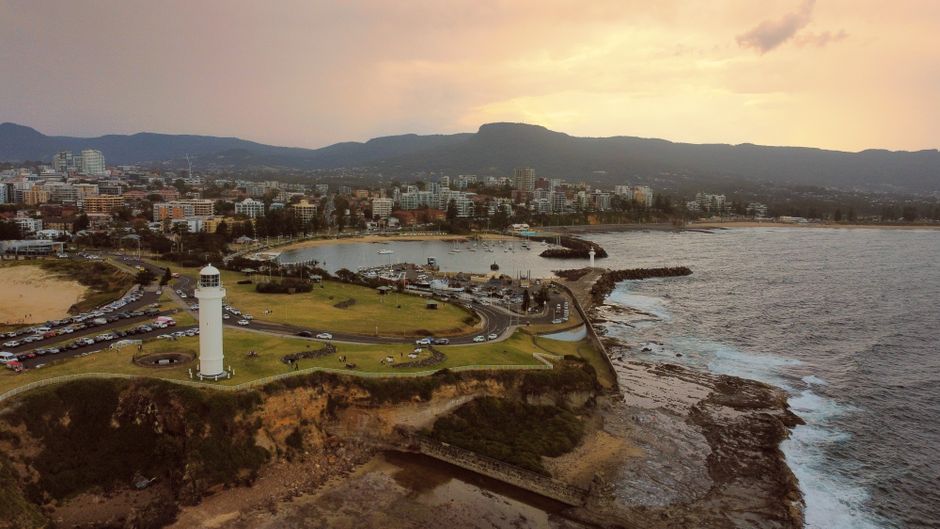
Wollongong's tourism sector is sending mixed but ultimately encouraging signals to investors and policymakers, with visitor expenditure climbing 12.4 per cent year-on-year while accommodation capital investment surged to $84 million in the past financial year—the highest in a decade.
The data matters because it reveals how money actually moves through the local economy. When interstate and international visitors spend money on Wollongong's attractions—from the Illawarra Museum to beachside dining precincts along Crown Street and the northern beaches—those dollars ripple outward: hospitality workers earn wages, building contractors find work, and small retailers on Church Street see increased foot traffic.
"The visitor economy represents about 7.3 per cent of Wollongong's gross regional product," explains the framework underpinning recent investment decisions by major hotel operators. Two substantial boutique properties are under development near Flagstaff Hill and the Innovation Campus precinct, suggesting developers believe sustained demand justifies capital outlay. Average nightly rates across four-star establishments have climbed from $178 in 2023 to $212 today—a price signal indicating both confidence and capacity constraints.
However, the investment distribution reveals vulnerabilities. While beachfront and CBD zones attract substantial funding, outer neighbourhoods like Warrawong and Figtree remain underserved by modern visitor accommodation. This geographical concentration creates bottlenecks: peak-season occupancy rates have reached 87 per cent in premium locations, leaving potential visitors redirected elsewhere.
International visitor numbers paint a nuanced picture. UK and New Zealand arrivals remain robust, growing 18 per cent and 22 per cent respectively over two years. But Chinese visitor numbers—which previously drove significant spending—have plateaued at pre-pandemic levels despite national recovery trends. This signals opportunity: marketing investment targeting Asian markets could unlock substantial capital flows without relying on existing infrastructure.
The multiplier effect—how each tourist dollar generates additional economic activity—currently estimates at 1.8x for Wollongong, slightly below comparable regional cities. Improving this requires strategic investment in value-added experiences and services rather than accommodation alone.
Council data shows development application approvals for visitor-related projects reached $127 million in 2025-26, yet actual capital commitments remain $38 million lower. This gap between approvals and execution suggests investor confidence exists, but execution risk remains. Construction costs, regulatory timeframes, and return-on-investment calculations are clearly tempering commitments.
The economic story, then, is one of emerging momentum tempered by geographic and demographic concentration. For Wollongong's visitor economy to sustainably expand its contribution to regional wealth, stakeholders must broaden investment geographically and diversify visitor source markets beyond traditional strongholds.
This article was compiled by AI and screened before publishing. See our editorial standards.
Spread the word
About this article
Published by The Daily Wollongong
Daily brief
Free, in your inbox before 7am. Weekdays.
Stay in the loop