Culture
Wollongong's Young Filmmakers and Actors Shape 2026 Arts Scene
Fresh creative talent is revitalizing performing arts across the city's venues, from Crown Street to the Illawarra, with bold new productions.
2 min read
Culture
Fresh creative talent is revitalizing performing arts across the city's venues, from Crown Street to the Illawarra, with bold new productions.
2 min read
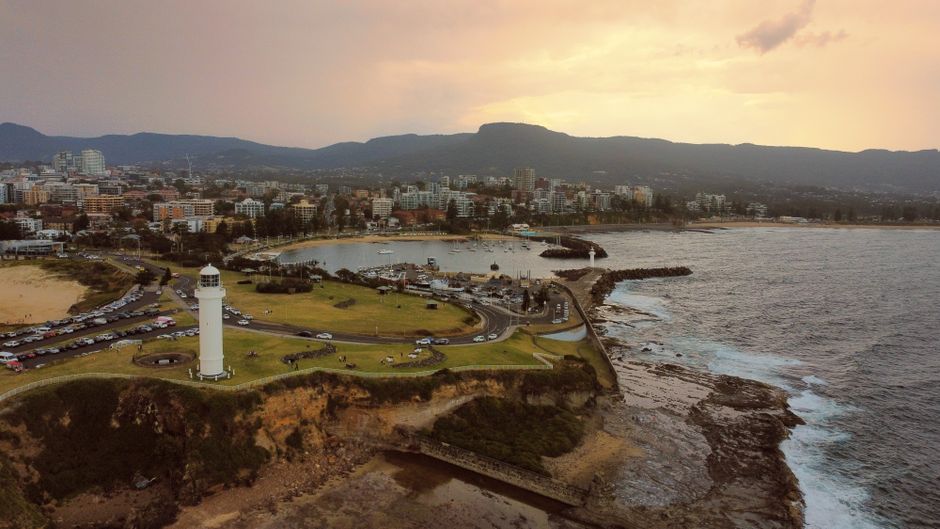
Walk past the renovated facade of Wollongong City Library's performance spaces or catch a show in the converted industrial lofts around Fairy Meadow, and you'll sense it: a creative momentum building among emerging theatre makers, independent filmmakers, and performance artists who are redefining what culture means in the Illawarra.
The shift reflects broader patterns. While international headlines document global instability—from conflict zones to economic uncertainty—local creative communities are channelling energy into intimate, experimental work. Venues like the State Theatre on Kembla Street continue booking experimental productions alongside commercial fare, and smaller pop-up spaces have emerged in Wollongong's northern suburbs, offering affordable platforms for debuts.
Data from the Illawarra Council's 2025 cultural participation survey showed 34% of respondents aged 18-35 attended live theatre or film screenings at least quarterly, up from 28% in 2022. Theatre ticket prices averaged $28-$45 for independent productions, compared to $55+ for touring shows, making experimental work increasingly accessible.
Several emerging collectives have gained traction. Independent film screening series operating from cafes and small galleries on Crown Street have built audiences for work exploring identity, environmental themes, and hyperlocal storytelling. Meanwhile, younger theatre practitioners are revisiting the region's post-industrial heritage through devised performance—a deliberate pivot from traditional narrative structures.
What distinguishes this wave? A deliberate commitment to representation. Emerging voices from multicultural backgrounds, LGBTQ+ artists, and disabled performers are co-creating work that reflects Wollongong's actual demographic fabric. Several collectives have deliberately positioned themselves outside traditional funding channels, relying on community support and grassroots investment rather than government arts grants alone.
The University of Wollongong's Drama Department continues feeding talent into the local ecosystem, but increasingly, graduates are staying put rather than heading to Sydney or Melbourne. Cheaper studio rental costs and a receptive audience have made the city viable for risk-taking early-career work.
Industry observers note the scene remains fractional—fewer than 200 artists identify performance or independent filmmaking as primary income in the Illawarra. Yet the conversation has shifted. Three years ago, experimental theatre was niche; today, it's gaining mainstream curiosity.
Summer 2026 promises several showcase opportunities. Keep eyes on small venue programming across Wollongong's cultural precinct, particularly around the Flagstaff neighbourhood revival projects. The next significant voice in Australian theatre or film might already be workshopping ideas in a converted warehouse somewhere south of the escarpment.
This article was compiled by AI and screened before publishing. See our editorial standards.
Spread the word
About this article
Published by The Daily Wollongong
Daily brief
Free, in your inbox before 7am. Weekdays.
Stay in the loop