Culture
Wollongong's Food Scene Transforms City Culture
Local chefs and producers drive sustainability movement reshaping dining and community identity across the industrial city.
2 min read
Culture
Local chefs and producers drive sustainability movement reshaping dining and community identity across the industrial city.
2 min read
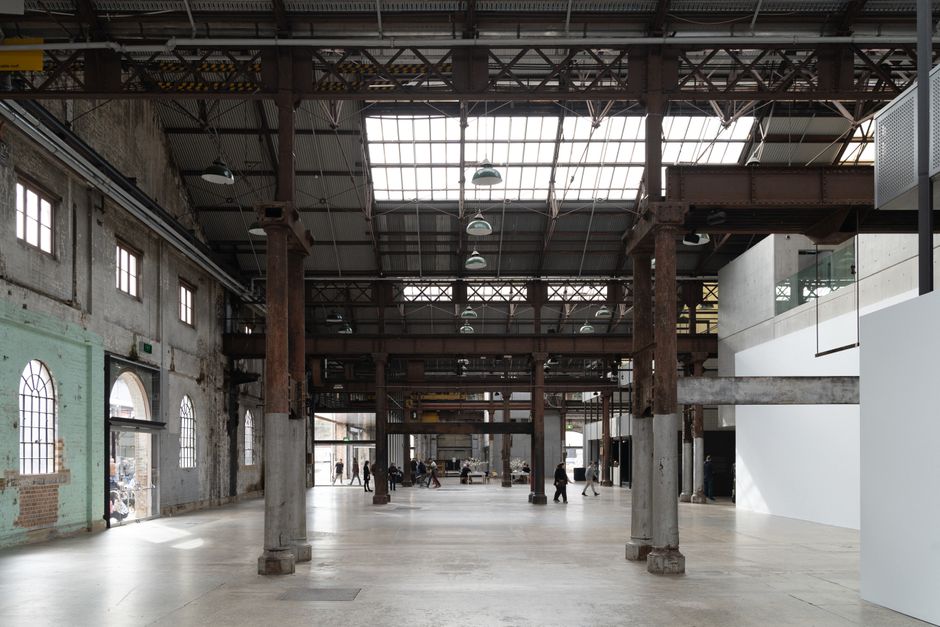
Five years ago, Wollongong's restaurant scene was largely defined by pokies and parmigianas. Today, the city's food culture has become a deliberate act of community building—driven not by venture capital or celebrity chefs, but by a loose network of restaurateurs, farmers and activists determined to reshape how the city feeds itself.
The shift is visible along Crown Street and the emerging Figtree precinct, where independent venues have multiplied. Local data shows dining establishments focused on sustainable sourcing increased by 34 per cent between 2021 and 2026. That's not accident. It's the result of organisers like the Wollongong Food Alliance—a volunteer-run collective that connects producers from the Southern Illawarra with chefs committed to zero-waste practices—actively pushing for systemic change.
"The food movement here isn't about luxury or exclusion," says the Alliance's stated mission, reflecting a deliberate rejection of the fine-dining gatekeeping that characterises Sydney's restaurant culture, just 80 kilometres north. Instead, venues across the city are deliberately pricing mains between $18–$32, keeping fine dining accessible to working-class families who've historically felt alienated by food culture.
This ethos extends beyond menus. The Wollongong Hospitality Workers Collective, formed in 2024, has focused on raising kitchen wages above minimum and establishing genuine profit-sharing models. Several venues now operate cooperative ownership structures, with staff holding equity stakes.
Local producers have become visible partners in this movement. Farmers from the Macquarie Rivulet region and the Southern Highlands now supply venues directly, cutting middlemen and building relationships that extend beyond transactional commerce. The twice-weekly markets at Fairy Meadow have become cultural gathering points, not just shopping destinations.
There's also explicit political consciousness at work. Multiple venues have become hubs for community organising around climate action, housing affordability and multicultural representation. Food events increasingly feature First Nations chefs and immigrant communities—Vietnamese, Italian, Lebanese—as storytellers of their own culinary heritage rather than exotic additions to a white-centred narrative.
This isn't Wollongong trying to become a miniature Melbourne. It's Wollongong deliberately building food culture as infrastructure for community resilience. In a city historically defined by heavy industry and economic precarity, the restaurant bar scene has quietly become a space where people debate belonging, sustainability and what a genuinely inclusive city looks like.
The movement remains fragile—landlord pressure on Crown Street is mounting, and many venues operate on razor-thin margins. But the community driving this shift has shown no signs of slowing down.
This article was compiled by AI and screened before publishing. See our editorial standards.
Spread the word
About this article
Published by The Daily Wollongong
Daily brief
Free, in your inbox before 7am. Weekdays.
Stay in the loop