Culture
Wollongong Designers Transform Industrial Spaces Into Fashion Hubs
A growing community of makers and mentors reshape the city's creative identity, turning warehouses into thriving design studios.
2 min read
Culture
A growing community of makers and mentors reshape the city's creative identity, turning warehouses into thriving design studios.
2 min read
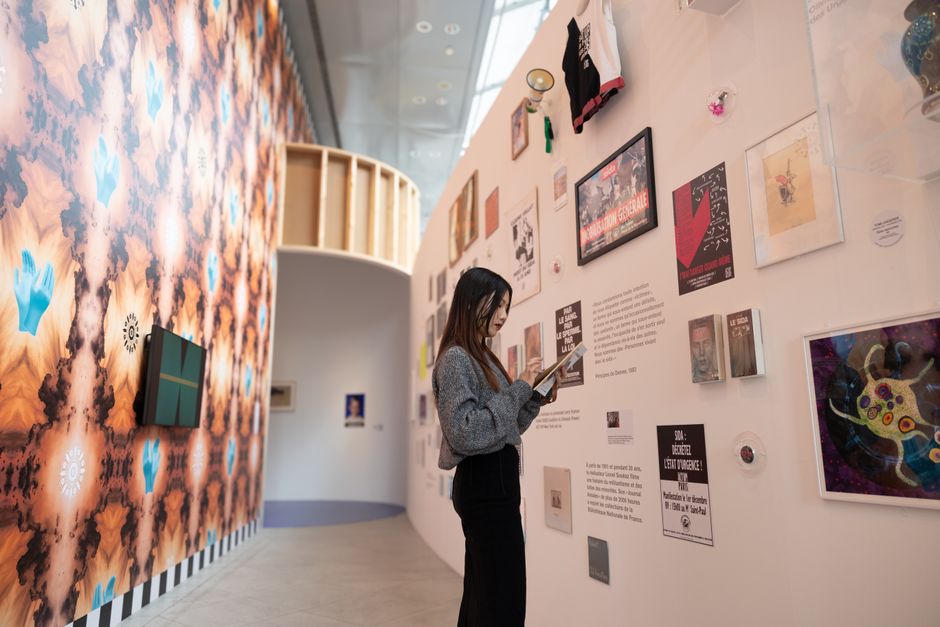
Walk down Keira Street on a Thursday evening and you'll find something quietly revolutionary happening in Wollongong's fashion district. What was once predominantly commercial retail has evolved into a patchwork of design studios, fabric studios and collaborative spaces—a transformation driven not by corporate investment, but by creative practitioners who decided to stay, or return, to their hometown.
The shift accelerated over the past five years. According to the Wollongong Creative Industries Alliance, fashion and textiles now represent approximately 12% of the city's creative workforce, up from 8% in 2021. But statistics don't capture the real story: the independent designers who've opened ateliers in converted warehouses near the Wollongong Harbour precinct, the mentorship networks emerging from spaces like the Illawarra Arts Centre, or the emerging fashion graduates choosing to build their labels here rather than relocating to Sydney.
Several factors converge to explain this creative clustering. Rental costs remain substantially lower than major metropolitan centres—a single studio in the Crown Street precinct averages $400–600 weekly, compared to Sydney's $800–1200. The city's manufacturing heritage, while diminished, hasn't entirely vanished; several textile processors and print facilities still operate along Port Kembla's industrial corridors, creating rare opportunities for designers to source locally and maintain production close to home.
Equally important is institutional support. The University of Wollongong's School of Creative Arts has deepened connections with emerging practitioners, while organisations like Create Wollongong have begun facilitating pop-up markets and mentorship programmes. The annual Wollongong Fashion & Design Festival, now in its seventh year, attracts emerging talent from across the Illawarra region and increasingly draws attention from Australian fashion media.
Perhaps most significantly, there's a deliberate rejection of the transactional model that has historically defined Australian fashion capitals. Many practitioners here speak of building community over personal brand dominance—collaborative studio spaces, skill-sharing workshops, and networks that prioritise sustainable practice and ethical production.
This doesn't exist in isolation from global turbulence. Rising shipping costs, supply chain disruptions, and shifting trade dynamics have made local production increasingly attractive. Meanwhile, the broader cultural conversation about fashion's environmental cost has resonated particularly strongly with Wollongong's design cohort, many of whom incorporate sustainability as foundational rather than aesthetic choice.
The scene remains fragile, vulnerable to property speculation and economic shifts. Yet for now, Wollongong hosts something genuinely generative: a fashion community shaped by those who choose proximity, collaboration, and deliberate values over industry prestige.
This article was compiled by AI and screened before publishing. See our editorial standards.
Spread the word
About this article
Published by The Daily Wollongong
Daily brief
Free, in your inbox before 7am. Weekdays.
Stay in the loop