Wellness
Gut Health 101: Fermented Foods You Can Find Locally
From Crown Street delis to Nan Tien Temple's kitchen garden, Wollongong has more gut-friendly fermented foods on its doorstep than most residents realise.
3 min read
Wellness
From Crown Street delis to Nan Tien Temple's kitchen garden, Wollongong has more gut-friendly fermented foods on its doorstep than most residents realise.
3 min read
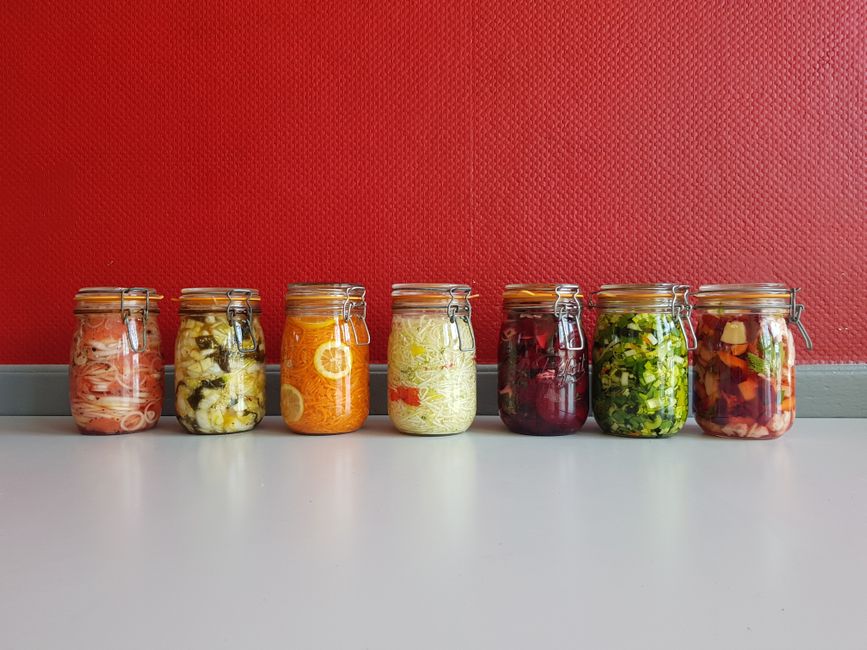
Australian interest in gut health has surged to the point where fermented food sales nationally grew by roughly 23 percent between 2023 and 2025, according to data from the Australian Food and Grocery Council. Wollongong's own food scene has quietly kept pace — and you don't need to order anything online to stock your fridge with the good stuff.
The renewed focus on the gut microbiome isn't a passing trend. A growing body of research, including a landmark 2021 Stanford University study published in Cell, found that a diet high in fermented foods increased microbiome diversity and reduced markers of inflammation in participants over a 17-week period. Dietitians across the Illawarra have been fielding more questions about probiotics, kimchi and kefir than ever before — a shift that mirrors a broader national conversation about how the food we eat affects mood, immunity and digestion. Consulting a local GP or accredited practising dietitian before making significant dietary changes remains the smartest first move for anyone with existing gut conditions.
Crown Street Mall is the obvious starting point. Fratelli Fresh, operating out of the Wollongong Central precinct, stocks at least three varieties of cultured yoghurt and a rotating selection of imported European sauerkraut, typically priced between $7.50 and $11 for a 400-gram jar. A few blocks south, the Wollongong Produce Market on Keira Street carries locally made kombucha from a small Thirroul-based producer, sold in 330ml bottles for around $5.50 each. The producer ferments using a continuous-brew method, which suppliers say yields a more consistent bacterial culture than single-batch methods.
Nan Tien Temple in Berkeley is less obvious but worth the 15-minute drive from the CBD. The temple's vegetarian café, open Wednesday through Sunday, serves miso soup made from traditionally fermented soybean paste as part of its set lunch menu, available for $18 as of June 2026. The kitchen also sells small jars of house-made pickled vegetables at the counter — a style of lacto-fermentation that predates modern probiotic supplements by several thousand years. The temple's broader wellness program, which runs monthly half-day retreats focusing on mindful eating, increasingly incorporates information about gut-friendly food preparation.
Further north along the coast, the Thirroul IGA on Railway Parade stocks Buchi kombucha, a Byron Bay brand with national distribution, alongside plain kefir from Barambah Organics. Kefir — fermented cow's milk with a thin, drinkable consistency — contains upwards of 12 distinct probiotic strains depending on the batch, according to research published in the journal Nutrients in 2020. It retails locally for approximately $6 to $8 per litre.
Variety matters more than volume. Gut researchers generally suggest that rotating different fermented foods — rather than eating large amounts of one type — does more to support microbiome diversity. A tablespoon of sauerkraut alongside lunch, a small glass of kefir in the morning, or miso stirred into a broth a few nights a week is a realistic starting point for most people.
The Illawarra Shoalhaven Local Health District runs a community health program called Healthy Eating Active Living, which holds free cooking workshops at venues including the Warrawong Community Centre on King Street. The program's next scheduled session, listed on the NSW Health website as late July 2026, will cover fermentation basics including simple kimchi preparation. Spots fill quickly — registration opens two weeks before each session.
For residents who want to go further, several zero-waste and wholefood co-operatives in the inner suburbs sell starter cultures for home brewing kombucha and kefir, typically for under $10. The learning curve is modest. The payoff, if the science holds, reaches well beyond the dinner table.
Spread the word
About this article
Published by The Daily Wollongong
Daily brief
Free, in your inbox before 7am. Weekdays.
Stay in the loop