Wellness
The Nap Paradox: When Afternoon Sleep Helps—and When It Hurts Your Night
A short doze might rescue your afternoon slump, but timing and duration are everything if you want to sleep well tonight.
2 min read
Wellness
A short doze might rescue your afternoon slump, but timing and duration are everything if you want to sleep well tonight.
2 min read
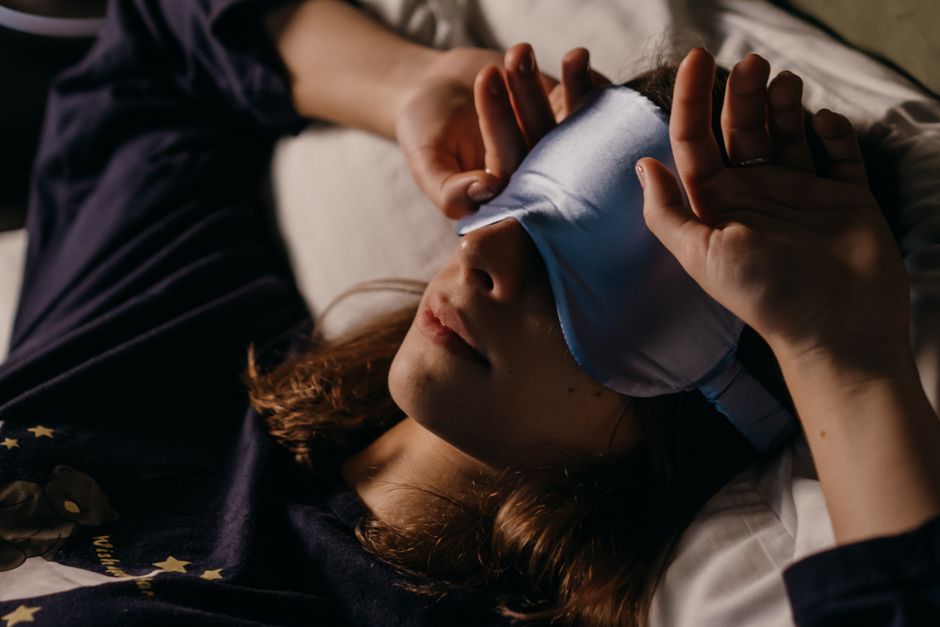
There's nothing quite like the pull of an afternoon nap—especially on a warm Illawarra day when you've cycled Stuart Park or tackled the Escarpment trails that morning. But before you surrender to your pillow, it's worth understanding whether that 20-minute doze will leave you refreshed or wrecked by bedtime.
Sleep health experts broadly agree: naps are neither villains nor saviours. They're tools, and like any tool, context matters.
For Wollongong residents working irregular shifts—say, at the Port, hospitality venues around Crown Street, or healthcare roles at local hospitals—strategic napping can be genuinely protective. A brief 10–20 minute nap between 1 and 3 p.m., before your core body temperature dips, can restore alertness and reaction time without triggering sleep inertia (that groggy, disoriented feeling). Think of it as a tactical top-up, not a substitute for proper night sleep.
The trouble starts when naps creep longer. A 90-minute nap drifts into deep sleep and REM cycles, leaving you waking groggy and potentially unable to fall asleep until midnight or later. If you're already struggling with Wollongong's seasonal sleep shifts—those endless summer evenings or darker winter mornings—a long afternoon sleep becomes a sleep debt you'll pay after dark.
Even trickier: napping after 4 p.m. Almost certainly interferes with your nighttime sleep architecture. Your body's circadian rhythm, governed by light exposure and temperature, doesn't forgive late-afternoon sleep easily.
Local wellness practitioners at Nan Tien Temple and community health services across the Illawarra often emphasise that consistent sleep timing matters more than individual naps. If you're regularly needing afternoon rescue sleeps, it's worth auditing your night routine: Are you getting 7–9 hours? Is your bedroom cool and dark? Are you checking your phone before bed?
The lifestyle sweet spot? Save naps for days when you've genuinely lost sleep—not as routine padding. And if you do nap, set a phone alarm for 20 minutes, nap between 1 and 2 p.m., and avoid it if you have insomnia or night-shift work patterns.
For Wollongong's active residents—swimmers at the rock pools, trail runners, weekend warriors—strategic post-exercise naps of 20–30 minutes can aid recovery without sabotaging evening sleep. Just keep them brief and early.
Sleep isn't one-size-fits-all, and neither is napping. Pay attention to how you feel after, not just during. That's your body's honest feedback.
For personalised sleep concerns, consult your GP or a local sleep medicine specialist.
This article was compiled by AI and screened before publishing. See our editorial standards.
Spread the word
About this article
Published by The Daily Wollongong
Daily brief
Free, in your inbox before 7am. Weekdays.
Stay in the loop