Wellness
How to start a walking group in your neighbourhood
Community fitness doesn't require a gym membership—just a route, a handful of neighbours, and the motivation to keep each other moving.
2 min read
Wellness
Community fitness doesn't require a gym membership—just a route, a handful of neighbours, and the motivation to keep each other moving.
2 min read
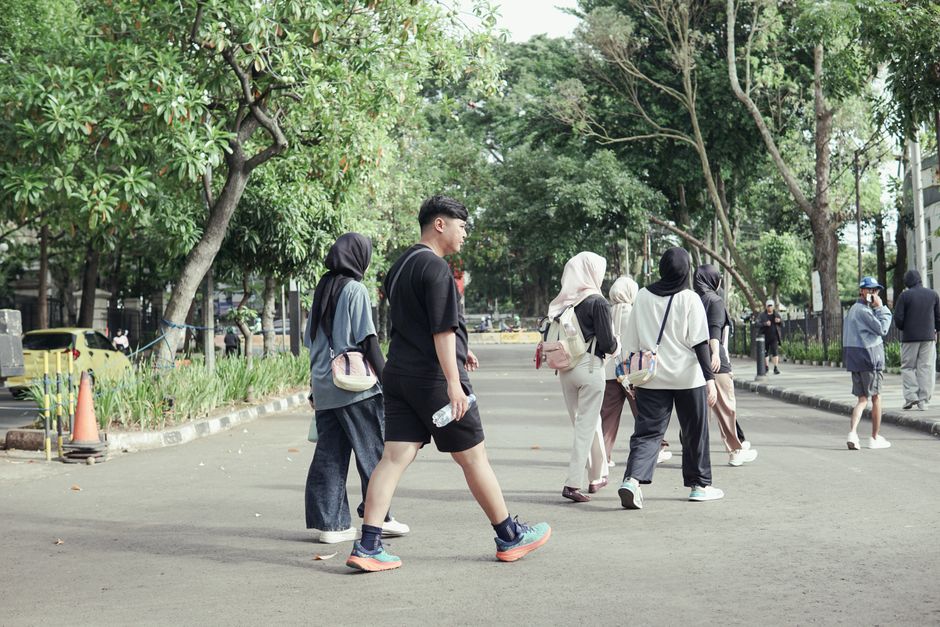
Walking groups have become one of Wollongong's most accessible fitness trends, offering residents a chance to build neighbourhood connections while staying active. Whether you're drawn to the Illawarra Escarpment trails or prefer flat suburban loops, starting a local walking group is simpler than you might think.
Begin by identifying your audience and route. Scout a 3–5 kilometre circuit that works for varying fitness levels. Residents near Stuart Park, for example, have natural advantages with coastal paths and shaded sections—ideal for groups including older walkers or those new to regular exercise. Inner suburbs like Keiraville or Fairy Meadow offer quieter street networks and parkland shortcuts. The key is accessibility: ensure your chosen route has clear paths, parking nearby, and ideally a café or rest stop at the midpoint.
Next, recruit your founding members. Start small—five to ten committed walkers build momentum faster than a sprawling group lacking structure. Post notices at local libraries, community centres, or the Wollongong City Council's noticeboard. Social media works too: a simple Facebook group costs nothing and reaches neighbours digitally. Local running clubs and cycling groups often have bulletin boards welcoming cross-promotion.
Set consistent timing. Most successful neighbourhood groups meet weekly, typically Tuesday or Thursday mornings at 7:30 am or weekend mornings at 8 am. Consistency matters more than frequency; people schedule around predictable commitments. Choose a meeting point—perhaps a car park at Stuart Park or outside the Wollongong Library on Church Street—and stick with it.
Establish basic guidelines: a walking pace that accommodates all members (roughly 4–5 kilometres per hour), a communication channel for weather updates or cancellations, and a simple safety protocol like a buddy system. Many groups use WhatsApp or email for coordination, keeping things low-tech and inclusive.
Consider partnering with existing organisations. The Illawarra region hosts numerous community health initiatives; contacting your local Wollongong council representative or visiting the Nan Tien Temple's wellness programs may uncover grants, insurance support, or promotional opportunities for established groups.
Finally, celebrate milestones. After three months, organise a special route variation or invite a local physiotherapist to discuss injury prevention. Recognition sustains enthusiasm.
Starting a walking group costs nothing and delivers immediate rewards: improved cardiovascular health, stronger neighbourhoods, and the simple pleasure of moving together. Your first step is the hardest.
This article was compiled by AI and screened before publishing. See our editorial standards.
Spread the word
About this article
Published by The Daily Wollongong
Daily brief
Free, in your inbox before 7am. Weekdays.
Stay in the loop