Wellness
Afternoon Naps Wollongong: Sleep Science Guide
Winter energy slumps hit hard in Wollongong. Should you nap? Sleep experts reveal when afternoon rest boosts wellness versus sabotaging nighttime sleep.
2 min read
Wellness
Winter energy slumps hit hard in Wollongong. Should you nap? Sleep experts reveal when afternoon rest boosts wellness versus sabotaging nighttime sleep.
2 min read
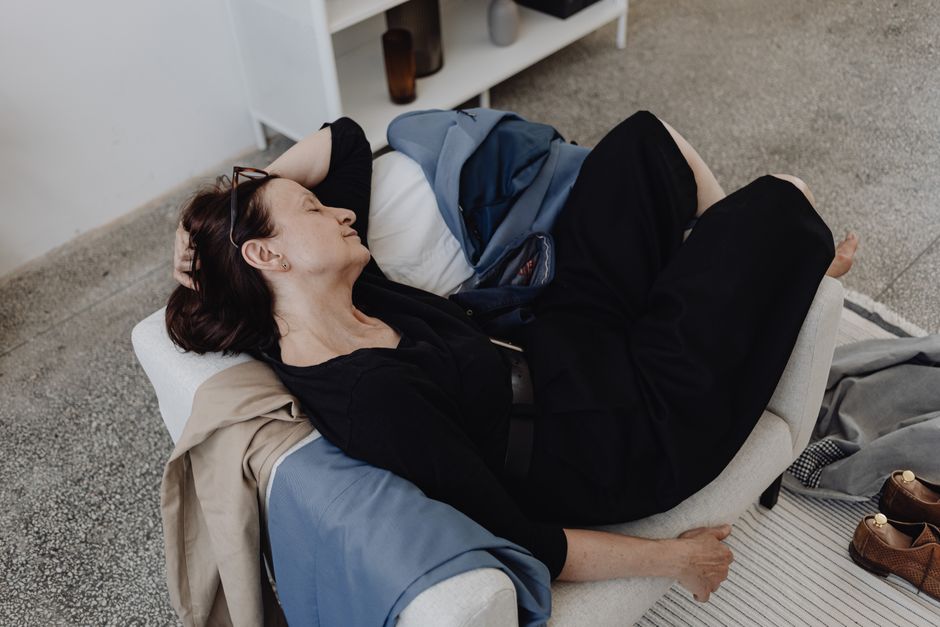
There's a particular pull toward the couch on a grey Wollongong afternoon—especially as we slide into the darker months. After a morning spent exploring the Illawarra Escarpment trails or tackling a Stuart Park coastal cycle, that 2pm energy slump feels almost irresistible. But should you surrender to it?
The science of napping is messier than most wellness advice suggests. A 20-minute power nap—what sleep researchers call a "cognitive nap"—can genuinely restore focus and reaction time. That's useful if you're planning an evening swim at one of Wollongong's rock pools or heading to a late class at a local studio. But nap for 45 minutes or longer, and you risk what experts call "sleep inertia": you'll wake groggier than before, and that fogginess can persist for hours.
The real problem emerges at night. A substantial afternoon sleep, especially after 3pm, can significantly delay your natural sleep onset. If you're already struggling with the shift toward winter's longer nights—which affect mood and circadian rhythms—a nap might tip you toward insomnia. Local wellness practitioners around Nan Tien Temple and the broader Wollongong community often emphasise the importance of consistent sleep-wake cycles, particularly as seasonal light exposure changes.
Here's the practical divide: if you sleep well at night, occasional 20-minute naps are likely harmless, possibly helpful. If you're already wrestling with poor sleep quality, napping—regardless of duration—is generally counterproductive. You're essentially "stealing" sleep debt from your nighttime reserve.
Age matters too. Adults over 65 who nap regularly show higher cardiovascular risk in some studies, though researchers still debate causation. Younger people, particularly those managing shift work or physical recovery, benefit more often than they're harmed.
The Wollongong winter rhythm makes this especially relevant. Shorter days naturally suppress melatonin production, and the urge to nap intensifies. Rather than fighting biology entirely, consider the alternative: a 15-minute meditation or breathwork session (activities increasingly available at local wellness centres), or a brisk walk along the escarpment to boost afternoon alertness through daylight exposure and movement.
If you do nap, set an alarm for 20 minutes maximum, aim for completion before 2:30pm, and monitor how you sleep that night. Your energy patterns are individual. What matters is honest observation: does that nap genuinely serve your overall sleep health, or is it just a temporary fix that costs you later?
For persistent sleep concerns, consulting a local GP or sleep specialist remains the best first step.
This article was compiled by AI and screened before publishing. See our editorial standards.
Spread the word
About this article
Published by The Daily Wollongong
Daily brief
Free, in your inbox before 7am. Weekdays.
Stay in the loop