Wellness
The Sleep Environment Checklist: Creating Your Personal Rest Sanctuary
As winter approaches, Wollongong residents can optimise their bedrooms for deeper sleep by mastering temperature, light, and sound—without costly renovations.
2 min read
Wellness
As winter approaches, Wollongong residents can optimise their bedrooms for deeper sleep by mastering temperature, light, and sound—without costly renovations.
2 min read
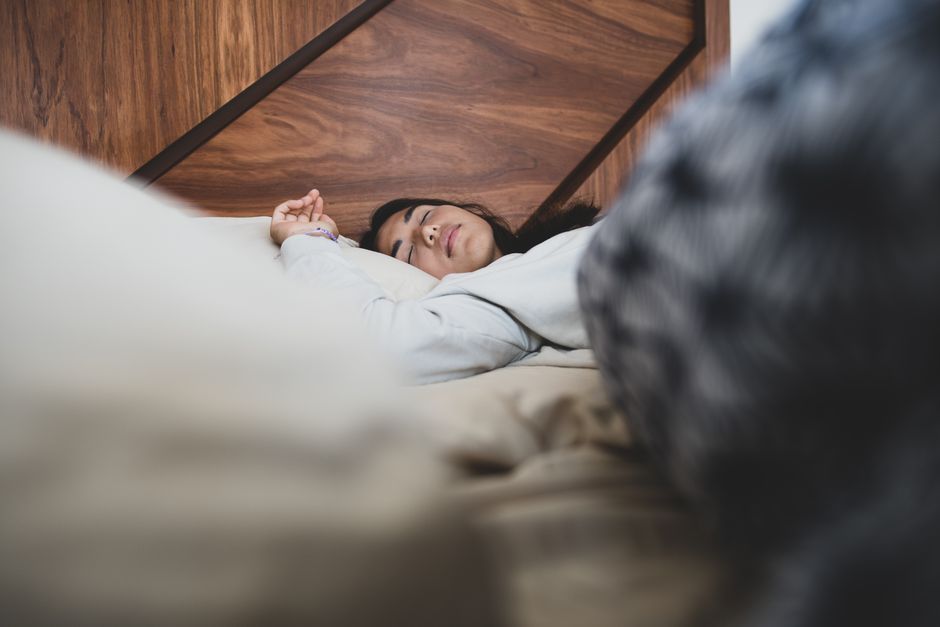
Sleep quality is not a luxury; it's foundational to wellness. Yet many Wollongong residents overlook the simplest intervention: the environment where they spend eight hours each night. A strategic bedroom audit costs nothing but can transform your rest.
Begin with temperature. The National Sleep Foundation recommends 16–19 degrees Celsius as ideal for most people. As we head into winter, this becomes achievable without heating costs spiralling. If your home in suburbs like Fairy Meadow or Mount Ousley tends toward the damp, consider a dehumidifier—coastal air can sabotage sleep quality. Retailers across Crown Street stock affordable models starting around $150.
Darkness is non-negotiable. Blackout curtains or thermal linings reduce street light penetration, particularly valuable if your window faces Stuart Park or the busy Princes Highway corridor. Test your room at night: you should not see your hand in front of your face. Many Wollongong homeware stores stock blackout solutions for $80–$200, a worthwhile investment for shift workers and light-sensitive sleepers.
Sound management separates restorative sleep from fragmented rest. Living near the escarpment or coastal areas brings natural beauty but also ambient noise. White noise machines, earplugs, or apps costing under $15 monthly can mask disruptive sounds. Some residents report success with open windows during cooler months—fresh air combined with distant ocean sounds proves calming for those near Wollongong's rock pools or coastal trails.
Mattress and bedding deserve attention. Your mattress should be replaced every 7–10 years; a queen-sized quality option ranges $600–$1500 locally. Bedding fabric matters: natural fibres like cotton and linen regulate temperature better than synthetics, crucial in our variable coastal climate.
Consider light exposure timing. Morning walks along the Illawarra Escarpment or cycle routes near Stuart Park provide natural light exposure that regulates circadian rhythm—particularly beneficial as daylight hours shorten. Conversely, avoid screens one hour before bed; blue light disrupts melatonin production.
Finally, reserve your bedroom for sleep and intimacy only. Working from your bed—increasingly common post-2020—trains your brain that the space is for activity, not rest. This simple psychological boundary costs nothing.
The sleep environment checklist is straightforward: temperature (16–19°C), darkness (complete blackout), silence (noise management), comfort (quality bedding), and mental association (bedroom-only use). These elements compound. You need not overhaul everything simultaneously; prioritise temperature and darkness first, then address sound. Within weeks, most people report deeper, more restorative sleep—the foundation for all other wellness pursuits, from coastal cycling to escarpment hiking.
For persistent sleep concerns, consult your GP or a sleep specialist at Wollongong Hospital or local clinics.
This article was compiled by AI from the sources linked above and screened before publishing. See our editorial standards.
Spread the word
About this article
Published by The Daily Wollongong
Daily brief
Free, in your inbox before 7am. Weekdays.
Stay in the loop