Wellness
Building Psychological Resilience with Small Daily Habits
Expert-backed micro-practices are helping Wollongong residents strengthen their mental health without overhauling their entire routine.
2 min read
Wellness
Expert-backed micro-practices are helping Wollongong residents strengthen their mental health without overhauling their entire routine.
2 min read
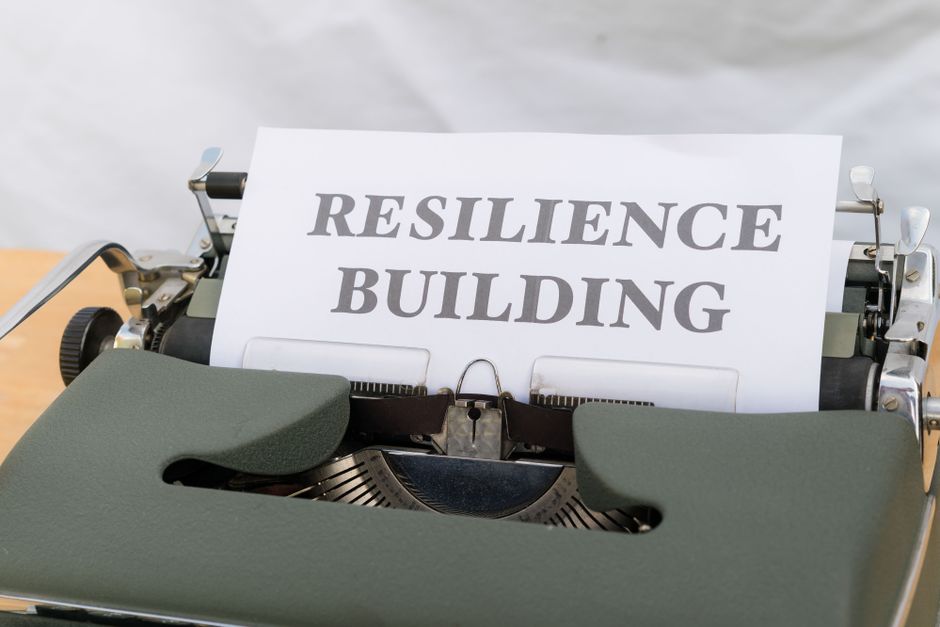
When stress feels overwhelming, the instinct is often to seek dramatic change. But psychology researchers increasingly suggest that psychological resilience—our ability to bounce back from difficulty—grows not from grand gestures, but from tiny, repeatable actions woven into everyday life.
For Wollongong residents navigating modern pressures, this insight is liberating. You don't need a month-long retreat to the Illawarra Escarpment or a costly wellness program. Instead, small daily habits compound into measurable mental strength.
"Resilience is built like muscle," says the framework endorsed by mental health organisations across Australia. "Consistent, small efforts create lasting change." Consider starting with a three-minute grounding practice each morning—noticing five things you can see, four you can touch, three you can hear, two you can smell, one you can taste. This costs nothing and rewires your nervous system's threat response.
Local opportunities amplify these habits. A ten-minute walk through Stuart Park before work combines movement and nature exposure—both evidence-based resilience builders. Wollongong's rock pool swims offer cold-water immersion, which research links to stress tolerance and mood regulation. Even twice weekly provides noticeable psychological benefit.
Micro-journaling also works. Spend two minutes each evening writing one thing you managed well that day, no matter how small. This trains your brain toward noticing agency rather than dwelling on what went wrong—a cornerstone of resilience.
Connection matters equally. Visiting Nan Tien Temple's gardens or attending a community event at WIN Entertainment Centre creates social anchors that protect against isolation. In Wollongong's tight-knit neighbourhoods—from Thirroul to Corrimal—neighbourhood walking groups cost little but deliver both exercise and belonging.
Digital boundaries are equally small yet powerful. Set a phone-free hour each evening. Use this time for reading, cooking, or sitting on your North Beach balcony. The cost is zero; the psychological return is measurable.
Professionals at Wollongong's community mental health services (accessible through your GP) can personalise these approaches. If stress feels unmanageable, professional support remains essential—psychology consultations typically cost $80–$150 per session, with Medicare rebates available for eligible patients under a mental health plan.
The evidence is clear: resilience isn't a personality trait you either have or lack. It's built daily, in moments so small they feel insignificant. For Wollongong residents, that means your next walk, journal entry, or breathing practice isn't a luxury—it's foundational mental health maintenance.
This article was compiled by AI from the sources linked above and screened before publishing. See our editorial standards.
Spread the word
About this article
Published by The Daily Wollongong
Daily brief
Free, in your inbox before 7am. Weekdays.
Stay in the loop