Wellness
Walking Meditation: How to Turn Your Daily Walk Into Mindfulness
Wollongong's coastal paths and urban streets offer the perfect backdrop for a practice that requires nothing but intention and attention.
2 min read
Wellness
Wollongong's coastal paths and urban streets offer the perfect backdrop for a practice that requires nothing but intention and attention.
2 min read
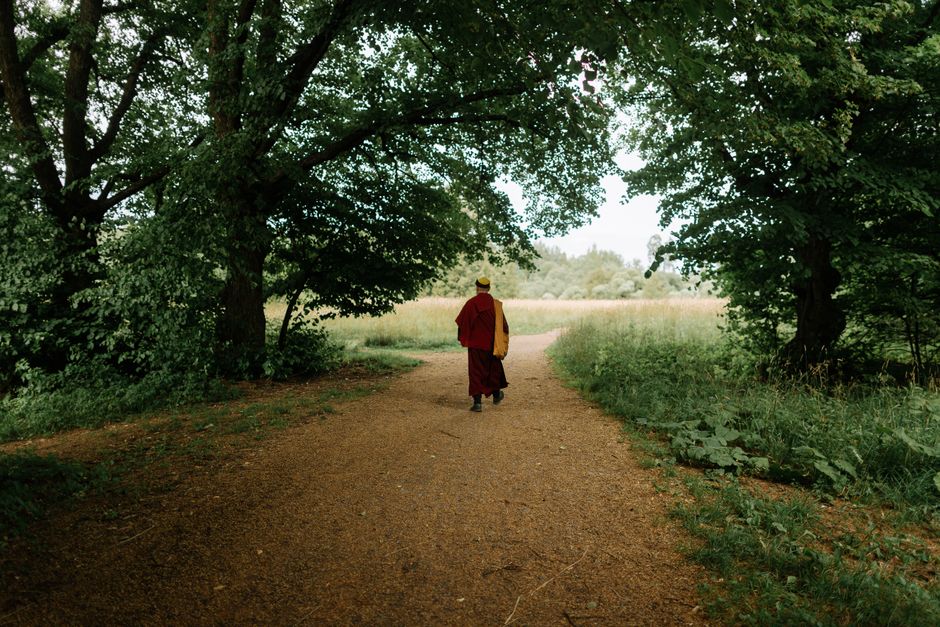
Walking meditation sits at the intersection of two things many of us already do: moving our bodies and trying to find moments of calm. Unlike sitting practice, which can feel foreign to busy schedules, walking meditation integrates seamlessly into daily life—whether you're crossing Crown Street for a coffee or climbing the gentle trails toward the Illawarra Escarpment.
The practice is straightforward. Rather than walking with your mind elsewhere, you anchor attention to the physical sensations of each step: the contact of your foot with the ground, the shifting of weight, the rhythm of your breath. When your mind wanders—and it will—you gently return focus to the present moment. No apps, no equipment, no cost.
Wollongong's geography makes this particularly accessible. The Wollongong Rock Pool precinct offers a flat, contemplative loop perfect for beginners. Walkers can focus on the sound of waves and the texture of the coastal path beneath their feet. For those seeking quieter practice, the surrounds of Nan Tien Temple in Berkeley provide a serene, purpose-built environment where walking meditation is already embedded in the site's wellness culture.
Stuart Park's cycling and walking paths create another ideal corridor. The consistent terrain means less mental processing and more opportunity for genuine attentiveness. Even the Monday-morning walk down Keira Street or through Fairy Meadow becomes transformed when approached with intentional presence rather than destination-focused autopilot.
Research consistently supports walking meditation as an accessible entry point to mindfulness. Studies show it reduces anxiety, improves mood, and—somewhat counter-intuitively—often sharpens mental clarity compared to sitting practice. For people who find traditional meditation restless or uncomfortable, the gentle motion can be deeply settling.
Start small: ten minutes, twice weekly. Choose a familiar route so navigation requires minimal thought. Walk at a natural pace—not rushed, not glacial. Pay attention to your soles connecting with pavement or earth. Notice temperature, air movement, ambient sounds. When your mind plans tomorrow's tasks or replays yesterday's conversation, acknowledge it without judgment and return to sensation.
Wollongong's combination of urban walkability, coastal access, and hinterland trails means most residents live within reach of excellent walking meditation spaces. The practice costs nothing, requires no instruction, and fits around existing routines.
The transformation isn't mystical. It's simply what happens when we stop treating the journey as mere means to an endpoint and start experiencing it fully.
This article was compiled by AI from the sources linked above and screened before publishing. See our editorial standards.
Spread the word
About this article
Published by The Daily Wollongong
Daily brief
Free, in your inbox before 7am. Weekdays.
Stay in the loop