Tech
From Commute to Convenience: How Remote Work Hubs Are Reshaping Daily Life for Wollongong Residents
As coworking spaces proliferate across the city, locals are ditching the Sydney commute and reclaiming hours once lost to traffic.
2 min read
Tech
As coworking spaces proliferate across the city, locals are ditching the Sydney commute and reclaiming hours once lost to traffic.
2 min read
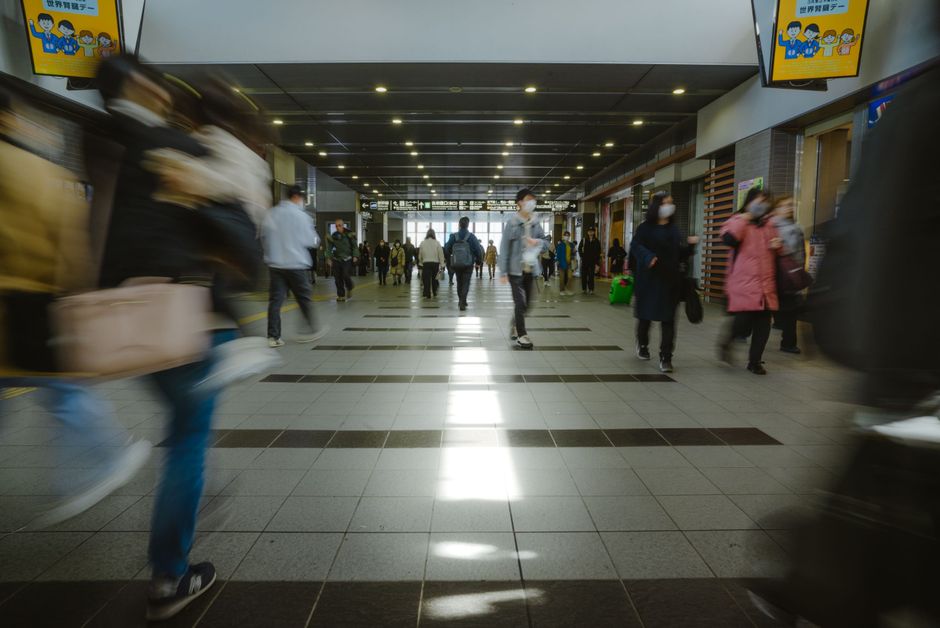
For years, Wollongong's tech professionals faced an uncomfortable choice: accept a gruelling two-hour daily commute to Sydney's CBD, or sacrifice career advancement in the regions. That calculus has shifted dramatically. The explosive growth of coworking spaces across the Illawarra has fundamentally altered how residents work—and live.
The numbers tell the story. Over the past eighteen months, coworking operators have established facilities in prime locations around the city: the Crown Street precinct now hosts three dedicated shared workspaces, with occupancy rates consistently exceeding 85 percent. A recent survey of Wollongong Chamber of Commerce members found that 64 percent of respondents now work remotely at least three days weekly, compared to just 12 percent in 2023.
"People are spending less time in cars and more time with their families," says local business development coordinator James Chen, observing the shift firsthand. The personal impact extends beyond convenience. Monthly parking costs in North Wollongong have plateaued as demand softens, while local cafés report sustained morning traffic from remote workers settling in for focused work sessions before 10 am—a departure from the pre-pandemic pattern of empty high streets.
The technology enabling this transformation is deceptively straightforward: reliable broadband, video conferencing platforms, and collaborative software have made geographic location irrelevant for knowledge workers. Wollongong's fiber rollout, now covering 78 percent of the city, has proven decisive. For residents in suburbs like Thirroul and Keiraville, gigabit connectivity has opened doors previously available only to city-based professionals.
But the disruption extends beyond convenience. Local property markets have responded. Rentals in family-friendly suburbs with good broadband infrastructure—Fairy Meadow, Coniston, Towradgi—have appreciated 12-14 percent annually, driven by professionals relocating from Sydney without sacrificing income. Schools report stabilising enrolments as families choose to stay regional.
The shift hasn't been frictionless. Traditional office landlords face underutilisation, and some suburbs lack the digital infrastructure necessary to compete. Yet for thousands of Wollongong residents, the equation has fundamentally rebalanced. Reclaiming 10 hours weekly from commuting time, maintaining professional credentials without relocation, and building lives rooted in community rather than employer geography—these aren't minor conveniences. They're reshaping what it means to work in 2026.
As telecommuting technology matures, the question is no longer whether remote work will persist, but whether Wollongong's infrastructure and amenities can keep pace with demand from those choosing to stay.
This article was compiled by AI and screened before publishing. See our editorial standards.
Spread the word
About this article
Published by The Daily Wollongong
Daily brief
Free, in your inbox before 7am. Weekdays.
Stay in the loop