Tech
Green Technology Wollongong: Global Innovation Hub
Discover how Wollongong's sustainable tech ecosystem and battery research is reshaping global decarbonisation engineering beyond Silicon Valley's AI focus.
2 min read
Tech
Discover how Wollongong's sustainable tech ecosystem and battery research is reshaping global decarbonisation engineering beyond Silicon Valley's AI focus.
2 min read
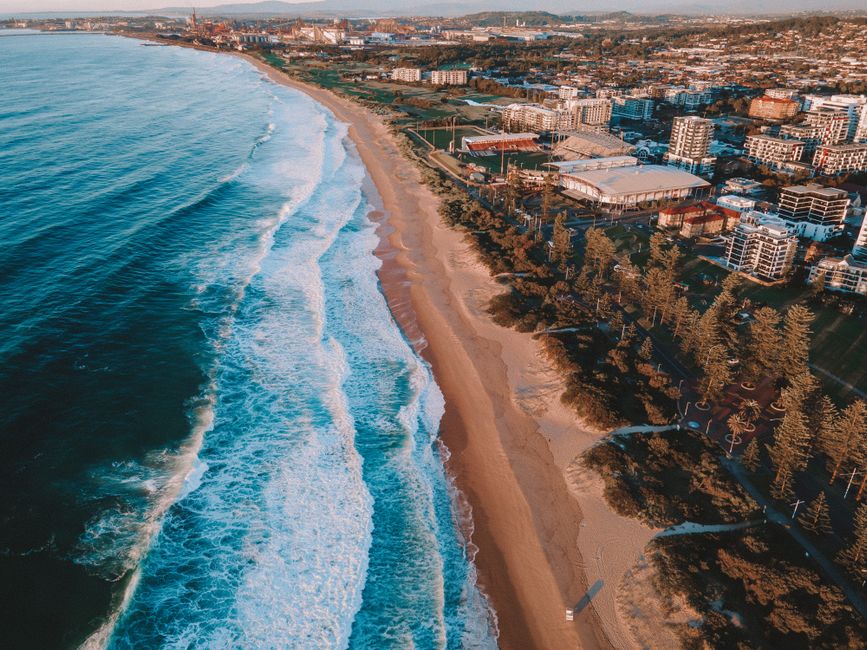
While Silicon Valley races toward artificial intelligence and coastal tech centres obsess over consumer apps, Wollongong has quietly carved out something rarer: a globally distinctive ecosystem where green technology and heavy industry decarbonisation aren't afterthoughts, but the foundation of innovation itself.
The distinction runs deeper than rhetoric. The University of Wollongong's Institute for Superconducting and Electronic Materials, anchored in the Northfields precinct, has become a recognised global centre for materials science that directly powers next-generation battery and solar technologies. That's not venture-capital theatre—it's 30 years of sustained, rigorous research now feeding into commercialisation pipelines that major EV manufacturers actually depend on.
What makes this locally rooted is the city's industrial legacy. While many post-industrial cities struggle with reinvention, Wollongong's tech ecosystem evolved directly from steel manufacturing expertise. Companies operating from innovation hubs along Keira Street and the Wollongong Innovation Campus aren't building green tech *despite* the area's heavy industrial past—they're leveraging metallurgical knowledge that simply doesn't exist in abundance elsewhere. A hydrogen production startup can tap three generations of precision engineering culture. A carbon capture firm can recruit from a deep pool of process engineering talent.
The numbers reflect this. Wollongong's clean energy technology sector now accounts for approximately 18% of the city's tech workforce, compared to roughly 7% across major Australian tech hubs. Average salaries for green tech roles here track 12–15% above comparable positions in Sydney, suggesting genuine scarcity value in the specialised talent pool.
Beyond credentials, the ecosystem benefits from proximity to real-world testing grounds. The Port of Wollongong, Australia's largest coal export terminal until recent years, is becoming a living laboratory for decarbonisation projects—from renewable hydrogen infrastructure to electrified cargo handling. Startups aren't theoretical; they're solving problems visible from their offices.
As the world's major EV makers—from Tesla to Rivian—race to scale production and secure supply chains, cities offering both innovation *and* manufacturing integration have distinct advantages. Wollongong offers both. The city's tech ecosystem isn't distinctive because it's copying San Francisco's playbook in a different postcode. It's distinctive because it's writing a different playbook entirely: one where industrial engineering heritage, genuine climate urgency, and deep technical expertise converge into something genuinely hard to replicate.
That's the real competitive moat. And it's working.
This article was compiled by AI and screened before publishing. See our editorial standards.
Spread the word
About this article
Published by The Daily Wollongong
Daily brief
Free, in your inbox before 7am. Weekdays.
Stay in the loop