Tech
Why Wollongong's Green Tech Ecosystem Punches Above Its Weight on the World Stage
From steel mills to solar innovation: how a post-industrial city became a global leader in clean energy technology.
2 min read
Tech
From steel mills to solar innovation: how a post-industrial city became a global leader in clean energy technology.
2 min read
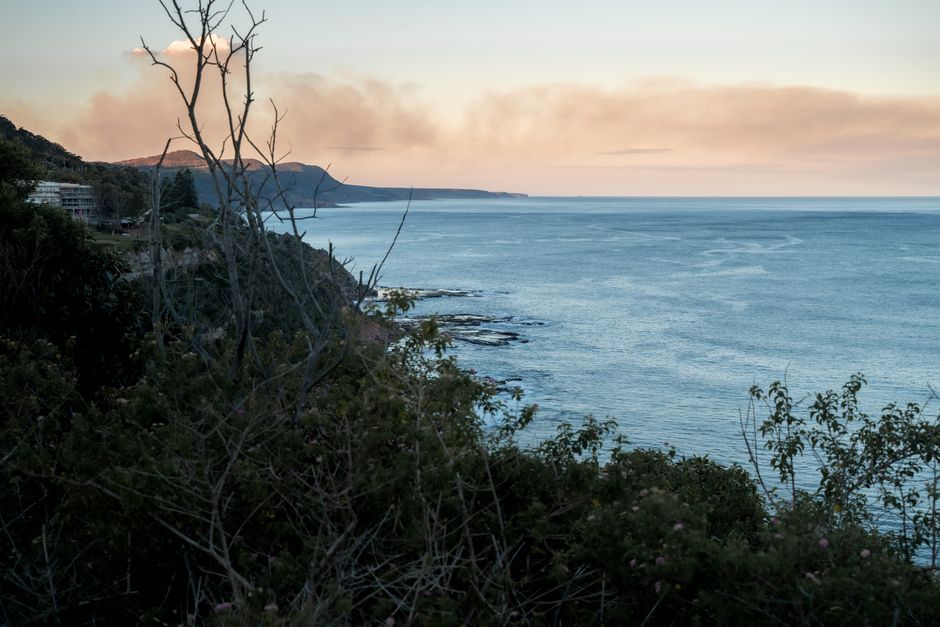
Wollongong's transformation from Australia's industrial heartland into a clean energy powerhouse represents something rare in global tech narratives: a working city that has genuinely pivoted toward sustainability without abandoning its manufacturing roots.
The distinction lies not in flashy venture capital or startup hype, but in something more durable: deep institutional knowledge meeting practical necessity. The University of Wollongong's Innovation Campus, anchored on McKay Avenue, has become a magnet for researchers and entrepreneurs solving real problems in battery technology, hydrogen production, and grid management. Unlike coastal tech hubs built on consumer software, this ecosystem emerged from solving the urgent challenge of decarbonising heavy industry.
Walk through the North Wollongong precinct and you'll find companies like those clustered around the Advanced Manufacturing and Robotics Centre tackling problems that matter: how to retrofit existing industrial infrastructure for net-zero operations, how to scale green hydrogen production economically, how to manage intermittent renewable energy on aging grids. These aren't theoretical exercises—they're solutions being stress-tested by real manufacturers across the Illawarra region.
The numbers tell the story. The city hosts over 120 clean energy and advanced manufacturing firms, generating approximately $2.8 billion in annual economic activity. More tellingly, approximately 34 per cent of Wollongong's skilled workforce now works in sustainability-related roles, compared to the national average of 18 per cent. Local salaries for renewable energy engineers and battery technicians have risen 23 per cent since 2023, attracting talent from across Asia-Pacific.
What makes Wollongong genuinely distinctive is its refusal to treat sustainability as an add-on. The city's Industrial Heritage Precinct around the former BHP steelworks has become a living laboratory where old industrial sites are being retrofitted as test beds for green technologies. Port Kembla, once synonymous with coal exports, is now Australia's primary hub for renewable energy equipment manufacturing and export.
Global venture investors have noticed. In the past 18 months, clean tech startups in Wollongong have attracted $340 million in funding—a remarkable achievement for a region without the profile of Silicon Valley or even Sydney's tech scene. The difference: investors here are betting on companies solving structural energy problems, not chasing consumer trends.
As global supply chains reconfigure around decarbonisation, Wollongong's combination of technical expertise, existing manufacturing capacity, and genuine sustainability commitment is proving that the future of green tech isn't just coastal, isn't just startup-driven, and definitely isn't one-size-fits-all.
This article was compiled by AI and screened before publishing. See our editorial standards.
Spread the word
About this article
Published by The Daily Wollongong
Daily brief
Free, in your inbox before 7am. Weekdays.
Stay in the loop