Sport
Climbing in Wollongong: Local athletes dominate NSW titles
Wollongong climbers secure podium finishes at NSW Climbing Championships. Discover why the Illawarra's climbing scene is booming with new indoor walls and outdoor venues.
2 min read
Sport
Wollongong climbers secure podium finishes at NSW Climbing Championships. Discover why the Illawarra's climbing scene is booming with new indoor walls and outdoor venues.
2 min read
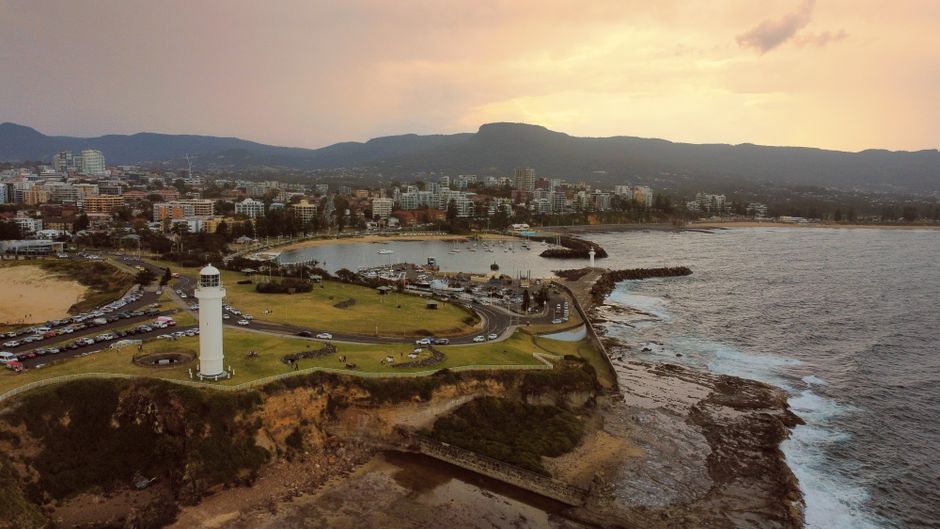
Wollongong's climbing community lit up the competition circuit this week with standout performances at the NSW Climbing Championships, held across multiple venues in the Southern Highlands. The results underscore what local athletes have known for years: the Illawarra region is punching well above its weight in the burgeoning world of competitive climbing and extreme sport.
The headline came from the outdoor lead climbing category, where three Wollongong-based climbers secured podium finishes. This success builds on months of preparation at local training facilities, particularly around the North Beach precinct where purpose-built climbing walls have become increasingly popular with serious athletes. Entry fees for the state championships ran $180 per competitor, with regional teams pooling resources to offset travel costs to the Southern Highlands venues.
What stands out about this week's results is the breadth of participation. Beyond the elite ladder competitions, grassroots climbers from suburbs like Fairy Meadow and Bulli demonstrated solid technical improvements, with speed climbing—the fastest-growing discipline—attracting younger athletes aged 12–18. Local climbing gyms report membership upticks of roughly 23 percent year-on-year, suggesting sustained interest in the sport.
The outdoor climbing scene around Wollongong itself has matured considerably. Natural rock formations near the escarpment areas continue to draw adventurers, while the council-endorsed climbing zones near Sublime Point have become tourist attractions. Safety protocols introduced last year—mandatory helmets and certified spotters—appear to have reduced incident reports, though the sport remains inherently challenging.
Technical progression was evident across the board. Several competitors who placed mid-table in regional qualifiers earlier this year moved into top-8 finishes this week, suggesting better training access and coaching quality. The Wollongong Climbing Collective, operating from a warehouse space off Burelli Street, has expanded instructor availability to seven days weekly, charging $45 per session for technique workshops.
Beyond the numbers, what impressed observers was the community atmosphere. Unlike some sports where ego dominates, climbing athletes here actively mentor newcomers and share beta—climbing jargon for advice on route sequences. This collaborative culture may explain why retention rates in local climbing programs exceed 80 percent, well above national averages.
The next major event on the calendar is the Australian Youth Climbing Cup qualifier in August, and several Wollongong competitors have already secured invitations. For a city building its identity as an outdoor adventure destination, the climbing scene offers both economic potential and genuine sporting excellence worth watching.
This article was compiled by AI and screened before publishing. See our editorial standards.
Spread the word
About this article
Published by The Daily Wollongong
Daily brief
Free, in your inbox before 7am. Weekdays.
Stay in the loop