Sport
Wollongong United Rises: Backyard Club Now Packs Fairy Meadow Reserve
After a decade playing in obscurity, the northern suburbs outfit is packing out Fairy Meadow Reserve and challenging the established order.
2 min read
Sport
After a decade playing in obscurity, the northern suburbs outfit is packing out Fairy Meadow Reserve and challenging the established order.
2 min read
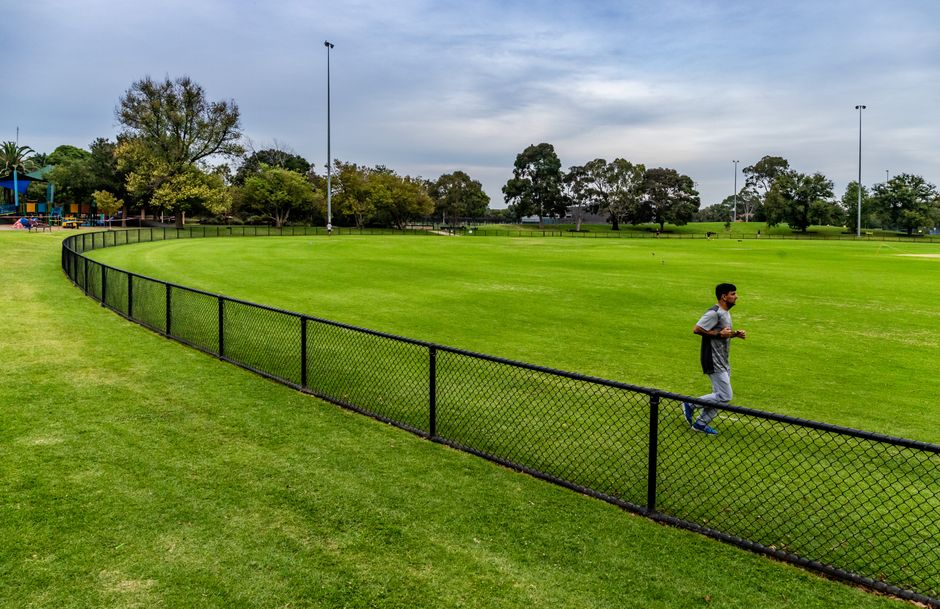
For most of the past decade, Wollongong United FC operated from a modest clubhouse near the corner of Keira and Crown Streets, their matches drawing maybe 40 spectators on a good night. Today, they're the story nobody saw coming—a recreational league club that's captured the city's imagination and forced the district competition to reckon with an insurgent force.
The transformation has been swift. Since moving to a revitalised ground at Fairy Meadow Reserve three years ago, United has invested heavily in grassroots development and senior player recruitment. Their Thursday night fixture against Illawarra Rangers this week drew 340 supporters—nearly triple the district average—with locals from the Bulli Pass neighbourhood and northern beaches making the short trip down the escarpment.
"We've built something people want to be part of," says United's operations manager, who explained the club now runs 14 youth teams ranging from U6 through to U16, compared with five in 2023. Annual membership has climbed from 120 to 487, and the canteen operates at near-capacity on match days. Weekly training fees remain modest—$45 per junior player per season—keeping the club accessible to families across Wollongong's socioeconomic spectrum.
What's particularly striking is their approach to women's football. United fielded their first senior women's side in 2025, now competing in the district's third-tier competition. That side has become a genuine drawcard, with weekend fixtures at the Bulli Ground attracting supporters who've traditionally shown little interest in recreational leagues.
The club's success mirrors broader trends in Australian amateur sport. Post-pandemic, participation in grassroots soccer has surged nationally, but few clubs have capitalised as effectively. United's decision to invest in facility upgrades—including new change rooms completed last year for $85,000—has differentiated them from competitors still operating from 1980s infrastructure.
Not everyone's pleased. Rival clubs have quietly grumbled about United's recruitment practices and funding advantages, though district competition administrators insist all clubs remain within rules. Still, the intensity of Thursday nights suggests something genuine: a community rediscovering recreational sport as something worth showing up for.
For a city better known for its rugby league pedigree, Wollongong United's ascent represents a quiet revolution. They've proved that even in established competitions, there's room for a hungry club to rewrite the narrative—one Thursday night at a time.
This article was compiled by AI and screened before publishing. See our editorial standards.
Spread the word
About this article
Published by The Daily Wollongong
Daily brief
Free, in your inbox before 7am. Weekdays.
Stay in the loop