Sport
Wollongong Volunteers Build Tomorrow's Athletes Through Grassroots Community Sport
Local clubs and volunteers are quietly building the foundation of tomorrow's athletes, one training session at a time.
2 min read
Sport
Local clubs and volunteers are quietly building the foundation of tomorrow's athletes, one training session at a time.
2 min read
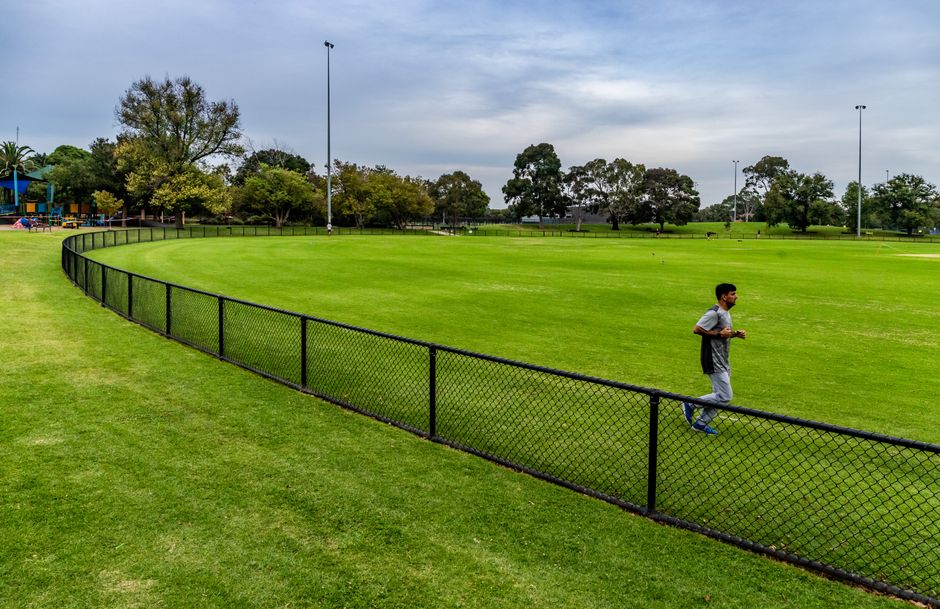
On any given Saturday morning across Wollongong, the sound of whistles, cheering parents, and the thud of footballs echoes from ovals in Fairy Meadow, Corrimal, and Figtree. These aren't polished professional venues—they're the beating heart of a grassroots movement that sustains youth sport in the Illawarra and shapes the next generation of athletes.
The scale of this commitment is staggering. According to Sport Wollongong's latest community audit, approximately 12,000 young people aged 5–17 participate in organised sport through local clubs, with roughly 60 per cent of those kids competing in football codes. Yet behind these numbers lies an army of unpaid volunteers—coaches, managers, canteen workers, and groundskeepers—who donate over 40,000 hours annually to keep these operations running.
"The grassroots movement isn't glamorous," says a spokesperson from Wollongong Junior Football League, which oversees 34 affiliated clubs across the region. "But it's where every athlete learns discipline, teamwork, and resilience." Club fees range from $180 to $320 per season, modest by national standards, though many families access grant schemes and fundraising support to ease the burden.
Venues like Illawarra Regional Park in Warrawong and the Shoalhaven Sports Complex have become community hubs, with clubs operating from sunrise to sunset throughout the year. The infrastructure, however, remains stretched. Council funding covers maintenance, but clubs routinely fundraise through sausage sizzles, raffles, and sponsorships from local businesses to purchase equipment and pay junior coaches a small honorarium.
What makes Wollongong's grassroots ecosystem distinctive is its volunteer culture. Parents and former players staff committees, organise carnivals, and mentor younger cohorts—creating a continuity of values that extends beyond match days. The Wollongong District Junior Rugby League and local netball associations operate similarly integrated systems, with pathways connecting primary school competitions directly to club-level play.
The impact extends beyond sport. Research from the Australian Sports Commission indicates that youth sport participation correlates strongly with improved school engagement, mental health outcomes, and social cohesion. For Wollongong's working-class communities, these clubs have historically served as anchors of identity and belonging.
Yet challenges loom. Volunteer burnout, aging volunteer demographics, and competition from individual pursuits and digital entertainment threaten participation rates. Clubs are adapting—introducing flexible membership options, improving digital communication, and partnering with schools to integrate sport into broader community strategy.
The grassroots movement thrives not through investment or headlines, but through stubborn, unglamorous commitment. It's the coach giving up Sunday mornings, the treasurer reconciling spreadsheets, the groundskeeper marking lines at dawn. In Wollongong's suburbs, these quiet efforts are building tomorrow's community leaders.
This article was compiled by AI and screened before publishing. See our editorial standards.
Spread the word
About this article
Published by The Daily Wollongong
Daily brief
Free, in your inbox before 7am. Weekdays.
Stay in the loop