Sport
Wollongong Grassroots Clubs Build Next Generation of Athletes Weekly
As international sport captures headlines, local clubs in the Illawarra are quietly building the next generation of athletes—one weekend at a time.
2 min read
Sport
As international sport captures headlines, local clubs in the Illawarra are quietly building the next generation of athletes—one weekend at a time.
2 min read
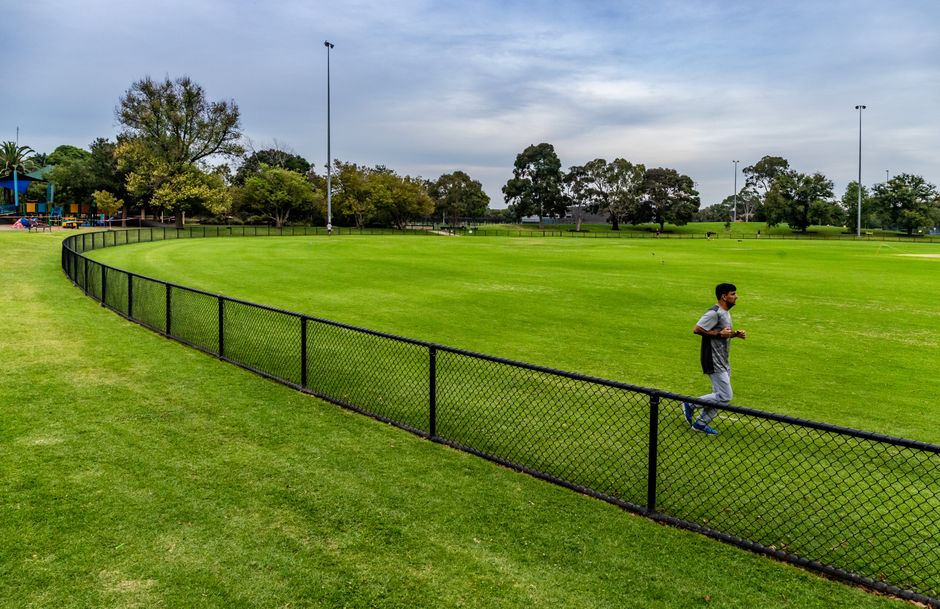
While the world watches elite athletes compete on the global stage, something equally important is unfolding across Wollongong's neighbourhoods. In parks from Fairy Meadow to Figtree, in clubhouses dotting the Illawarra, a grassroots movement is reshaping how young people engage with sport—and it's far from the polished, high-stakes drama dominating international competitions.
The numbers tell the story. Across Wollongong's registered youth sport clubs, participation has grown 23 per cent over the past three years, with nearly 8,000 children now involved in structured grassroots programs. From junior soccer leagues at WIN Stadium precinct to cricket clubs operating out of modest grounds in Keiraville, the infrastructure supporting young athletes has never been more robust.
But infrastructure alone doesn't explain the movement. Talk to coordinators at Wollongong District Junior Rugby League, or volunteer coaches at the Illawarra Little Athletics Centre near Stuart Park, and a different picture emerges—one driven by community commitment rather than corporate investment. Most clubs operate on thin margins, relying on membership fees ($150–$250 annually for many sports), fundraising barbecues, and the labour of unpaid volunteers.
"We've got thirty-two coaches across our age groups, and only four are paid positions," explains one local program administrator. "The rest are parents, former players, teachers—people who believe in what we're building." That ethos extends beyond winning. While competitive pathways matter, grassroots clubs increasingly emphasise inclusivity, skill development, and mental wellbeing alongside traditional performance metrics.
The venues themselves reflect Wollongong's character. Weathered clubhouses on the outskirts of suburbs like Corrimal and Towradgi host training sessions and social events that anchor community life. Recent council investment in facilities upgrades—including new changerooms at regional sporting hubs—has improved conditions, though many clubs still operate with equipment budgets stretched thin.
What's driving this movement? Parents cite the need for structured activity and community connection. Coaches point to the satisfaction of developing young talent and fostering lifelong participation in sport. Local councils and sporting bodies recognise that grassroots programs address broader social needs—combating isolation, building resilience, and creating pathways for disadvantaged youth.
As international tournaments dominate sports media, Wollongong's grassroots clubs remind us that sport's most enduring impact often happens away from cameras, in local communities where volunteers and young athletes are quietly building something profound: the foundation for lifelong engagement with movement, team, and community.
This article was compiled by AI and screened before publishing. See our editorial standards.
Spread the word
About this article
Published by The Daily Wollongong
Daily brief
Free, in your inbox before 7am. Weekdays.
Stay in the loop