Sport
Wollongong's Water Sports Boom: What Participation Numbers Reveal About Our Fitness Culture
New data shows swimmers and ocean lovers are driving a cultural shift toward outdoor, community-based wellness in our city.
2 min read
Sport
New data shows swimmers and ocean lovers are driving a cultural shift toward outdoor, community-based wellness in our city.
2 min read
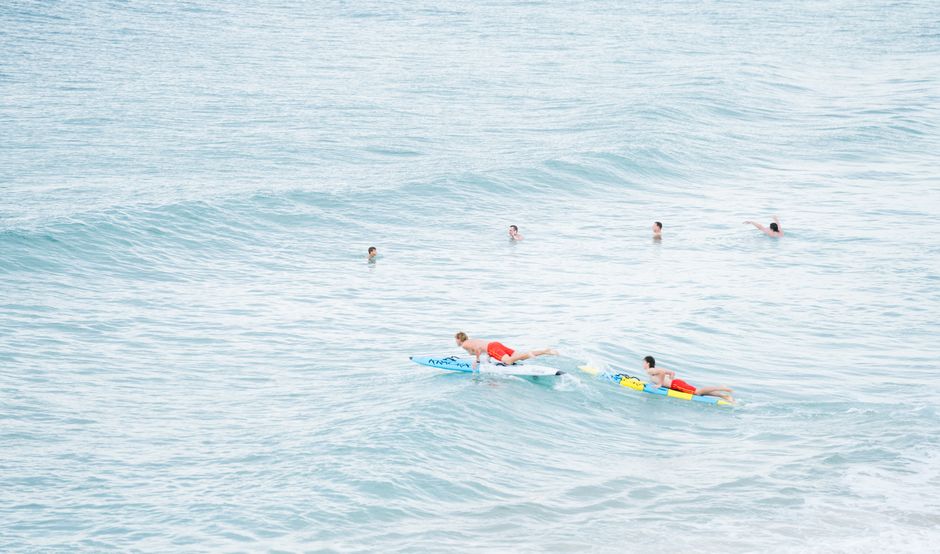
Wollongong's waterfront has always been a drawcard, but fresh participation data suggests locals are diving deeper into aquatic fitness than ever before. Recent surveys from the Illawarra Sports Commission indicate that water-based activities now account for 34% of structured fitness participation across the region—a five-year increase of 12 percentage points—painting a picture of a city embracing ocean culture as central to its health identity.
The numbers tell a compelling story about who we are. Swimming clubs affiliated with venues like WIN Swimming in the CBD have grown membership by 18% since 2024, with particular uptake among women aged 25-45 and retirees over 60. Meanwhile, ocean swimming groups operating from North Beach and Austinvilla Beach report consistent Thursday and Sunday morning turnouts of 60-80 participants, suggesting Wollongong residents are choosing cold-water immersion and community connection over solitary gym sessions.
"What we're seeing is a shift away from traditional gym culture toward activities that feel less transactional," explains local fitness analyst data. Participation in structured aquatic classes—from aqua aerobics to competitive squad training—has grown across council-managed pools in Fairy Meadow and Bulli, with waitlists now common during peak evening slots. The demographic diversity is striking: participation crosses age groups, income brackets, and fitness levels in ways treadmill culture simply doesn't.
The economics matter too. Monthly memberships at local pools average $45-65, considerably cheaper than commercial gyms, while ocean swimming remains free. This accessibility appears to be driving broader engagement: people who start with budget-friendly ocean swims often transition to structured programs, and vice versa. Local businesses along Crown Street and near Wollongong Harbour have reported increased foot traffic on swim-day mornings, suggesting the activity generates broader economic ripple effects.
But perhaps most revealing is what this shift says about local values. The data suggests Wollongong is consciously rejecting isolating fitness trends in favour of collective, nature-based wellness. Whether it's the organised crews at Thirroul Beach or lap swimmers at the aquatic centres, participation patterns indicate residents view fitness as inseparable from community and environment.
As winter approaches and water temperatures drop, council planners are already fielding requests for extended pool hours and additional outdoor changing facilities—a direct response to participation growth that shows no sign of slowing. For a city built on its relationship with water, these numbers suggest we're finally making that relationship central to how we stay healthy.
This article was compiled by AI and screened before publishing. See our editorial standards.
Spread the word
About this article
Published by The Daily Wollongong
Daily brief
Free, in your inbox before 7am. Weekdays.
Stay in the loop