Sport
Your Wollongong Gym Guide: How to Get Involved and What You Need to Know to Start
From boutique studios to traditional iron pumping, the Illawarra's fitness scene is booming—here's everything a beginner needs to know.
2 min read
Sport
From boutique studios to traditional iron pumping, the Illawarra's fitness scene is booming—here's everything a beginner needs to know.
2 min read
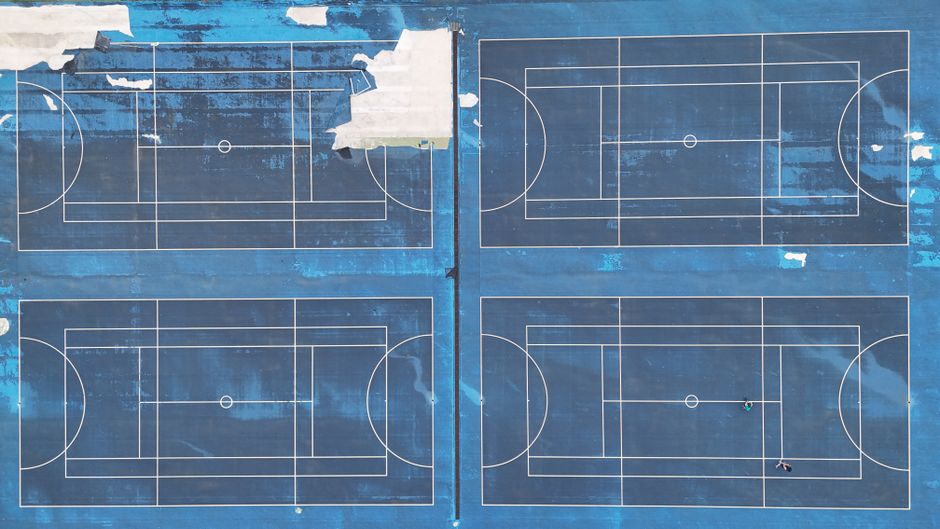
Wollongong's fitness culture has transformed dramatically over the past five years, with everything from CrossFit boxes to yoga studios now dotting Crown Street, the beachfront precinct, and suburbs like Fairy Meadow and Keiraville. If you're thinking about joining the thousands of locals who've embraced gym life, here's what you need to know before you sign up.
The first decision: what's your style? Traditional gyms like those clustered near WIN Stadium offer comprehensive equipment, typically ranging from $15–$25 weekly or $50–$80 monthly for standard memberships. Boutique studios—whether high-intensity interval training, CrossFit, or pilates—usually charge $120–$200 monthly, though introductory offers often slash first-month costs by half. Beachfront facilities around North Beach and Towradgi offer outdoor training options that align with Wollongong's coastal lifestyle, increasingly popular among locals seeking functional fitness in natural settings.
Cost shouldn't be your only consideration. Experts recommend visiting at least three facilities before committing. Check operating hours against your schedule, assess trainer qualifications, and ask about class variety. Most gyms now offer free trial sessions or week-long passes—a genuine way to test whether the community suits you. Wollongong's emerging fitness demographic skews younger and more inclusive than stereotypes suggest; expect diverse age groups and fitness levels in most mainstream facilities.
Essential logistics: bring valid ID and proof of residence for membership registration, typically requiring a street address in the Wollongong local government area. Many venues now operate cashless systems exclusively. Personal training sessions, available at most major facilities, cost $60–$100 per hour; group packages offer better rates. A basic kit—comfortable clothing, water bottle, towel—is genuinely all you need initially. Avoid purchasing expensive gear until you've established consistent habits.
The growing trend in Wollongong reflects national patterns: recovery-focused training (foam rolling, stretching), strength training among women, and mental health awareness now drives gym participation as much as aesthetics. Facilities increasingly emphasize community over competition, with group classes and social events normalizing the gym environment.
One final tip: January remains peak signup season locally, but June provides strategic advantage. Summer's approaching in the Southern Hemisphere, motivation peaks after winter, and many gyms refresh their class schedules. Start now, and by September you'll have genuine habits established rather than New Year's resolutions abandoned by March.
Wollongong's fitness revolution isn't exclusive or intimidating—it's genuinely accessible. The hardest part is walking through the door.
This article was compiled by AI from the sources linked above and screened before publishing. See our editorial standards.
Spread the word
About this article
Published by The Daily Wollongong
Daily brief
Free, in your inbox before 7am. Weekdays.
Stay in the loop