Wollongong's Amateur Sport Thrives on Back of Aging But Vital Facilities Network
Local clubs and recreational leagues depend on council-managed and private venues scattered across the city, but infrastructure gaps are starting to bite.
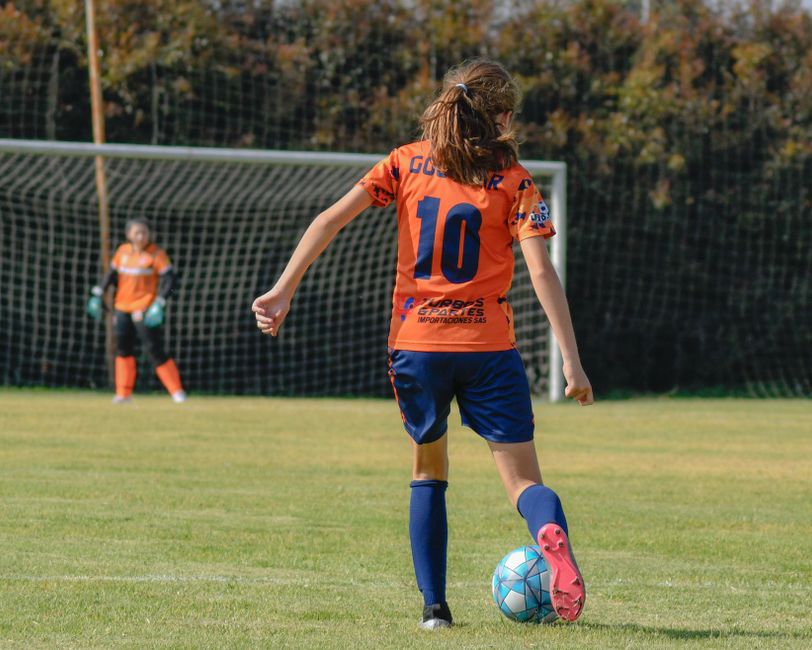
Every Tuesday night, the carpark at Wollongong City Park fills with footballers heading to training. It's a scene repeated across dozens of venues from Figtree to Shellharbour, where amateur sport keeps the city moving—but ageing facilities and stretched budgets are testing the system.
The network supporting recreational sport here is substantial. Council maintains over 80 ovals and fields across the local government area, with major hubs including the Jim Russell Aquatic Centre on Corrimal Street, serving competitive swimmers and casual users alike. Nearby, Victory Park in the Grawai precinct hosts junior and senior rugby league on weekends, while the Wollongong Basketball Stadium on Lake Street has become central to the region's growing netball and basketball scene.
"We've got about 15,000 people across amateur leagues in this city," according to Sport Wollongong figures from last year. "That's cricket, rugby league, AFL, netball, soccer, athletics—the lot." Membership fees typically range from $150 to $400 annually, depending on the sport and age group.
But the infrastructure supporting these athletes shows its age. Several grounds in the Illawarra region lack adequate lighting for winter competition. The aging pavilions at Fairy Meadow Oval need renovation work that's been deferred for three years. Meanwhile, demand for synthetic pitches—cheaper to maintain and weather-resistant—far outstrips supply. Only four soccer clubs in the greater Wollongong area have access to synthetic fields.
Private venues help fill gaps. Clubs like Wollongong City FC operate their own facilities on Crown Street, while various CrossFit gyms, squash courts on Campbell Street, and tennis clubs scattered through suburbs like Keiraville provide alternatives. Yet inequality persists: wealthier suburbs attract better-maintained grounds, while outer areas struggle.
Council has committed $2.3 million to sports infrastructure upgrades over the next four years, but demand outpaces funding. The proposed redevelopment of the precinct around Belmore Basin could add water-based recreational facilities, though timelines remain unclear.
"We need investment in drainage, lighting, and modern changerooms," one local amateur club coordinator noted privately. "Kids expect facilities comparable to what they see on TV."
As Wollongong's amateur sport participation grows, the question looms: can the city's patchwork of venues, both aging and modern, keep pace? The answer will likely determine whether recreational sport remains accessible to all, or becomes increasingly stratified by suburb and resources.
This article was compiled by AI from the sources linked above and screened before publishing. See our editorial standards.