Sport
From North Beach to Figtree: How Wollongong's Sporting Venues Are Forging Stronger Communities
Local clubs are leveraging improved facilities and grassroots programs to build lasting connections across the Illawarra region.
2 min read
Sport
Local clubs are leveraging improved facilities and grassroots programs to build lasting connections across the Illawarra region.
2 min read
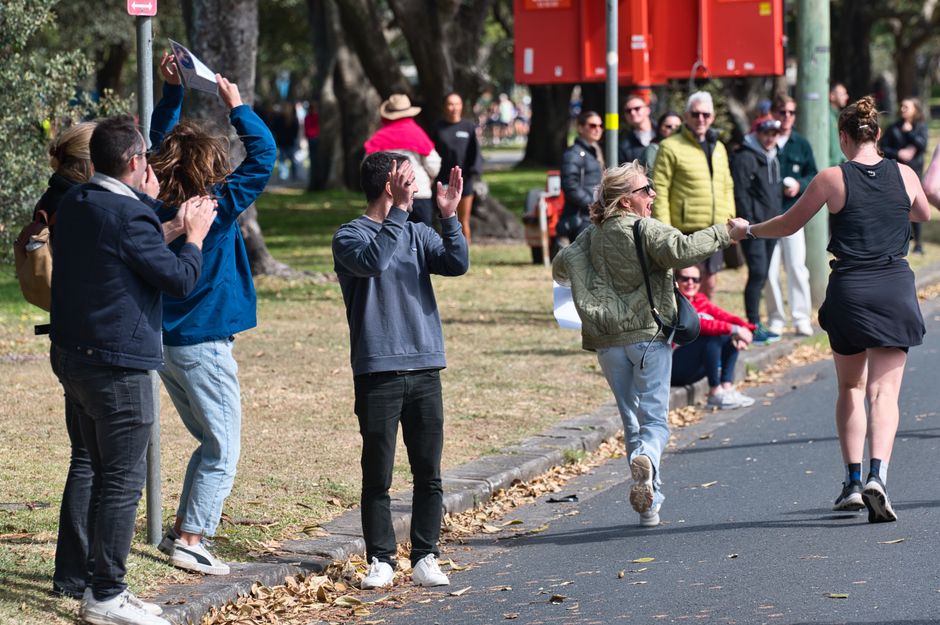
Wollongong's sporting infrastructure has become far more than just a backdrop for weekend matches—it's evolved into a vital engine for community cohesion, with local clubs reporting record participation and engagement across multiple codes.
The transformation is most visible along the northern corridor, where venues from WIN Stadium in Fairy Meadow to the newly upgraded facilities at Wollongong Showgrounds are hosting expanded junior and senior programs. WIN Stadium, which has hosted everything from NRL fixtures to international rugby league events, now anchors a deliberate community strategy. Local rugby league clubs report that junior participation in the Illawarra region has grown by approximately 18 percent over the past three years, with membership fees ranging from $150 to $400 annually across affiliated organizations.
Smaller venues are punching above their weight. The Wollongong City Football Club, based at WIN Park near the university precinct, has established itself as a model for grassroots soccer development. Their recent completion of upgraded changeroom facilities on Northfields Avenue has enabled them to expand women's and girls' programming significantly. Club administrators report that female participation now represents 42 percent of their active membership—a dramatic shift from the 22 percent recorded just five years ago.
Beyond the city center, clubs operating from suburban grounds—including facilities in Figtree, Corrimal, and Bulli—are creating what administrators call "neighborhood anchors." These venues host not only competitive matches but also social programs, school holiday camps, and community events that extend their impact well beyond sport itself.
"What we're seeing is clubs recognizing that maintaining quality venues is an investment in local identity," explains the Illawarra Sports Development Council. Across affiliated organizations, annual operating costs for ground maintenance and facility upgrades now average $85,000 to $120,000 per venue, with many clubs supplementing council funding through sponsorship and community fundraising.
The economic spillover is measurable. Local hospitality venues near major sporting grounds report increased Friday and Saturday trade on match days, while merchandise sales and food vendors have become genuine revenue streams for clubs operating on tight budgets.
As Wollongong continues to develop as a major sporting city—with plans for expanded facilities and improved accessibility—the lesson is clear: venues succeed when they serve as genuine community gathering spaces rather than merely competitive arenas. The clubs thriving today are those that have made that connection central to their mission.
This article was compiled by AI from the sources linked above and screened before publishing. See our editorial standards.
Spread the word
About this article
Published by The Daily Wollongong
Daily brief
Free, in your inbox before 7am. Weekdays.
Stay in the loop