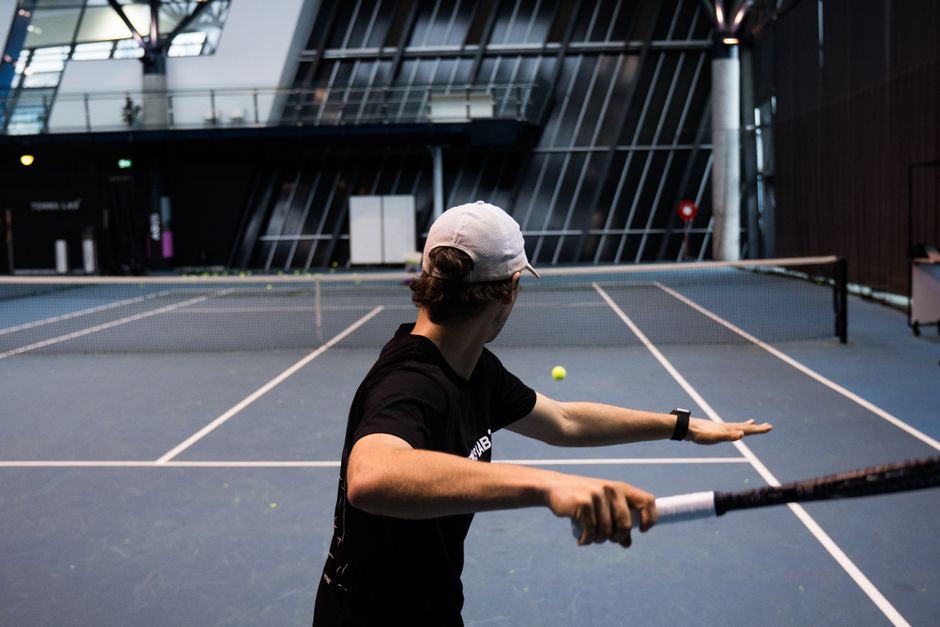
On Saturday mornings across Wollongong, something quietly powerful happens. At Corrimal Oval, Fairy Meadow Reserve, and half a dozen suburban parks, hundreds of locals pull on their jerseys and step onto fields that have become the true heartbeat of our city's sporting culture. These aren't professional athletes chasing contracts—they're mechanics, teachers, nurses and students sustaining a grassroots movement that has grown steadily for two decades.
The story of Wollongong's amateur sports leagues reflects a broader shift in how communities build identity and connection. While media attention typically focuses on elite competition, the real engine of participation sits in our neighbourhood clubs. The Wollongong District Football League, now in its 67th season, manages 24 clubs across three divisions with participation climbing to over 2,400 registered players in 2025. Similar growth appears across cricket, netball, rugby league and tennis associations serving the wider Illawarra region.
What's driving this expansion? Partly affordability. Senior competition fees at most Wollongong clubs range from $180 to $280 per season—a fraction of the $800-plus charged at some private sports academies. Subsidised junior programs, many capped at $120 annually, ensure younger players from Dapto to Bulli face fewer barriers to participation. The Wollongong City Council's investment in grassroots infrastructure—upgraded changerooms at Stuart Park, new lighting at Figtree Reserve—has also proved crucial.
But beyond facilities and fees lies the volunteer backbone that nobody talks about. Club administrators, field maintenance crews, canteen operators and junior coaches dedicate thousands of unpaid hours weekly. These aren't celebrated figures; they're the accountants, retirees and parents who keep competitions running through administrative graft that largely goes unrecognized.
The community sport movement reflects something deeper than recreation. It's where migrant families integrate, where teenagers find belonging outside digital spaces, where post-injury comeback stories unfold on suburban fields. At Gwynneville Reserve last month, a 43-year-old returning to touch football after a decade away could train alongside teenagers without pretence or judgment—that levelling is rare in modern life.
As Wollongong continues evolving as a global city, these grassroots networks remain anchors. They're places where connection happens at ground level, where participation matters more than performance, and where the movement's greatest strength isn't talent—it's accessibility. That's the story worth telling.
This article was compiled by AI from the sources linked above and screened before publishing. See our editorial standards.