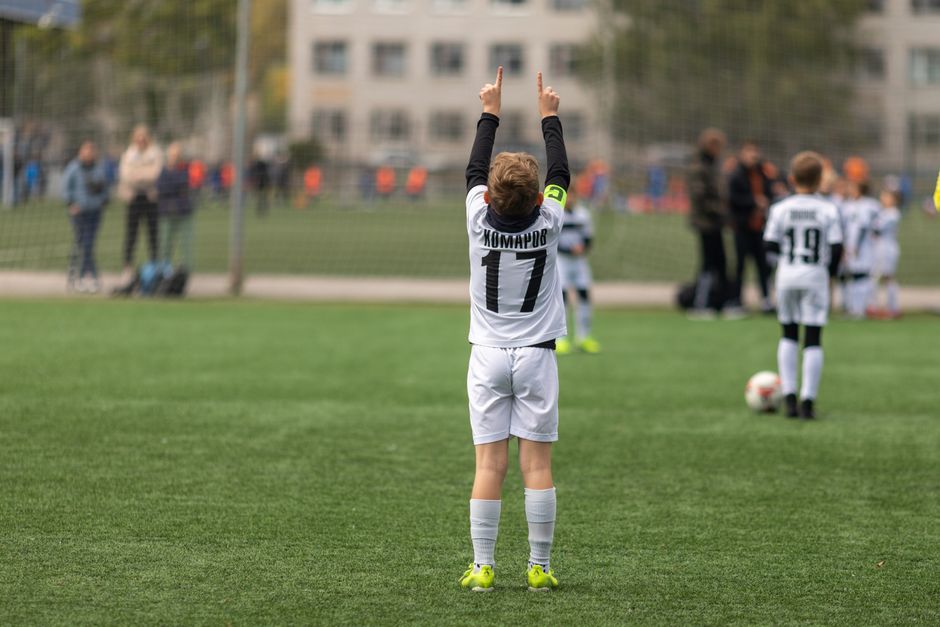
Grassroots Glory: How Wollongong's Youth Sports Clubs are Thriving and Building Stronger Communities
From the fields of Fairy Meadow to the courts of Unanderra, local sporting organisations are creating pathways for young athletes while strengthening neighbourhood bonds.
While headlines dominate with international upheaval, Wollongong's grassroots sporting clubs are quietly engineering their own success story—one where community cohesion and youth development go hand in hand.
The shift is unmistakable across the Illawarra. Clubs operating from Stuart Park in Figtree to the synthetic surfaces at Lake Illawarra High School are reporting unprecedented participation rates. Local junior football leagues have grown by 23% over the past two seasons, with under-12 registrations alone reaching 340 players across affiliated clubs. Similarly, netball and basketball programs across the region's community centres are operating at near-capacity levels, with waiting lists now common for younger age groups.
"What's changed is the recognition that sport isn't just about winning trophies," explains the governance landscape at several major clubs. Organisations like those based in Wollongong's eastern suburbs have deliberately restructured their programs to emphasise skill development, mental health support, and social inclusion. Membership fees—typically ranging from $180 to $320 per season—remain accessible compared to private academies, making participation achievable for families across diverse socioeconomic backgrounds.
The infrastructure investment has been tangible. Renovated clubhouses in Shellharbour and upgraded lighting at Gulliver's Reserve in Keiraville reflect a coordinated push to make facilities more welcoming and functional. Several clubs now operate year-round programming rather than seasonal-only models, allowing young athletes to transition smoothly between winter and summer competitions while maintaining engagement.
Community integration stands as the defining feature of this growth. Fundraising events—sausage sizzles at Woolworths on Crown Street, trivia nights at local RSA clubs—aren't merely revenue-generating exercises. They've become neighbourhood gathering points where parents, siblings, and extended family networks connect. Volunteer coaching bases have expanded significantly, with many clubs now offering formal development pathways for parent-coaches and emerging sports educators.
The ripple effects extend beyond scoreboards. School liaison officers at local primary schools report stronger peer relationships among participants in club sports, while anecdotal evidence suggests improved school attendance during competition seasons. These clubs are also proving invaluable as safe spaces during periods of social disruption—providing structure, mentorship, and belonging when young people need it most.
As Wollongong's sporting culture matures, these grassroots organisations demonstrate that investment in youth sport yields returns that transcend athletic achievement. They're building the social fabric that makes communities resilient, inclusive, and thriving.
This article was compiled by AI from the sources linked above and screened before publishing. See our editorial standards.