Wollongong's Amateur Sports Dream Built on Crumbling Courts and Packed Fields
As recreational leagues boom across the city, aging facilities and stretched resources threaten to derail the grassroots infrastructure keeping thousands active.
On any given Tuesday evening, the courts at Fairy Meadow Recreation Centre hum with activity. Netball players circle the hardcourt, footballers thunder across adjacent ovals, and tennis enthusiasts queue for prime slots. It's a snapshot of Wollongong's thriving amateur sports culture—but it masks an uncomfortable truth: the city's recreational infrastructure is buckling under demand.
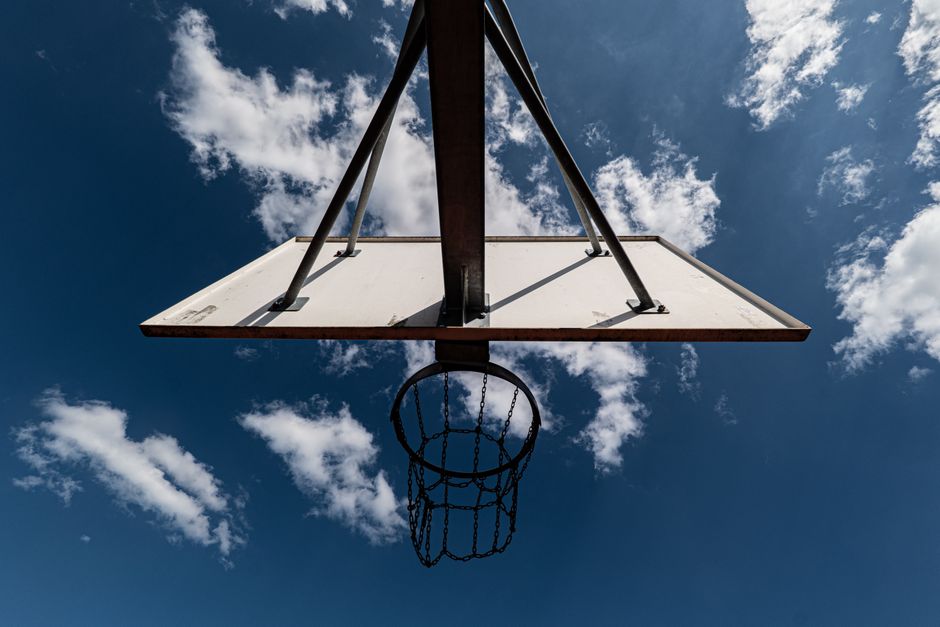
Across the Illawarra, participation in amateur leagues has surged 34 percent over the past five years, according to Sport Wollongong figures. Yet facility upgrades have failed to keep pace. Corroded nets, uneven surfaces, and inadequate lighting plague venues from Coniston Oval to the Towradgi sporting precinct, where several clubs share facilities originally designed for half their current membership.
"We're managing, but it's unsustainable," says a spokesperson for Wollongong District Football Association, which oversees 47 clubs fielding over 3,200 players each season. Courts at Gwynneville require urgent resurfacing. Changing facilities at Keiraville Showgrounds remain segregated, creating bottlenecks during peak times. Across the council area, ground hire fees have climbed 18 percent since 2023, forcing smaller clubs to consolidate or fold.
The crisis extends beyond football. Wollongong Netball Association manages 58 teams across venues scattered from Port Kembla to Bulli, with several clubs operating from council facilities where essential maintenance has been deferred for years. Tennis courts at Balgownie and Towradgi show visible wear; booking systems remain stuck in the analog age.
Yet pockets of excellence exist. The recently upgraded facilities at Symonds Street, completed in 2024, demonstrate what investment looks like: three full-size pitches with state-of-the-art floodlighting, climate-controlled change rooms, and accessible parking. Usage has climbed 60 percent since opening. Similarly, Illawarra Sports High School grounds, shared with community clubs, maintain competitive standards through dedicated groundstaff.
"Infrastructure is the backbone of participation," notes one long-serving amateur coach. "When facilities deteriorate, clubs struggle to recruit and retain players. Parents want their kids training somewhere safe and well-lit."
Wollongong City Council has flagged a $4.2 million recreation facilities strategy, with staged improvements across 12 priority sites. Yet without sustained funding and clearer maintenance protocols, the city risks squandering its reputation as a grassroots sports powerhouse. Amateur leagues thrive here because of community passion—but passion alone cannot resurface courts or replace corroded infrastructure.
The question facing decision-makers is stark: invest now in facilities befitting a city of Wollongong's sporting ambition, or watch the infrastructure collapse under the very success local sport has achieved.
This article was compiled by AI from the sources linked above and screened before publishing. See our editorial standards.