Property
Is Renting Actually Cheaper Than Buying Right Now?
For Wollongong renters weighing up whether to take the plunge, the numbers tell a complicated story — and right now, they're not flattering to buyers.
3 min read
Property
For Wollongong renters weighing up whether to take the plunge, the numbers tell a complicated story — and right now, they're not flattering to buyers.
3 min read
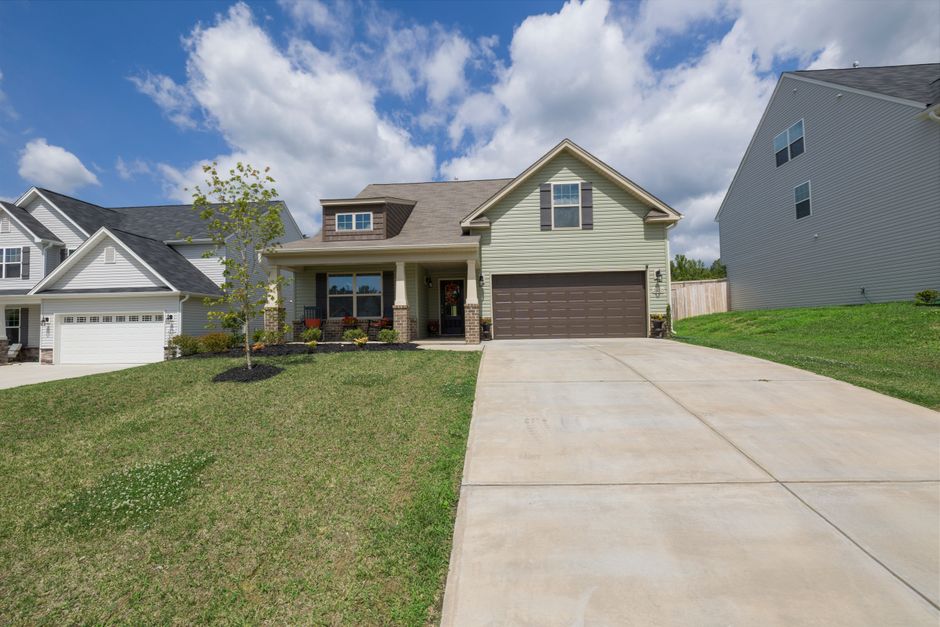
A three-bedroom house in Fairy Meadow will cost you around $1.05 million to buy today. The same style of property to rent runs roughly $650 a week. Do the mortgage arithmetic and the gap between those two realities is wider than it has been at any point in the past two decades.
That gap matters because mortgage rates are sitting at 6.2 per cent on a standard variable product with the major banks, and NSW's median dwelling price has held stubbornly around $860,000 through the first half of 2026. For Wollongong — where the Illawarra's coastal premium has pushed suburb medians well above that state figure in pockets from Thirroul down to Bulli — the monthly carrying cost of a new mortgage has become genuinely punishing for anyone who doesn't already own.
On a $1 million purchase with a 20 per cent deposit, a buyer is committing to roughly $5,100 a month in repayments alone, before rates, council fees, strata levies or maintenance. A renter in the same Fairy Meadow street pays closer to $2,800 a month. That's a $2,300 monthly difference — money a renter can theoretically redirect into savings, shares or a managed fund. The Illawarra Mortgage Centre, which processes loan applications across Wollongong's CBD and northern suburbs, has reported a noticeable softening in first-home buyer applications since February, consistent with CoreLogic data showing the national first-home buyer segment contracted about 8 per cent in the March 2026 quarter.
Closer to the centre of Wollongong, the picture shifts slightly. A two-bedroom unit on Crown Street or in the newer high-rise developments along Harbour Street is fetching between $580,000 and $680,000 — more accessible on paper, though strata fees on some newer towers run $1,500 or more per quarter. Comparable rentals in the same precinct are going for $490 to $550 a week. Again, renting comes out cheaper on a straight monthly outlay, though by a narrower margin than the house market.
The Wollongong City Council's housing affordability strategy, adopted in late 2024, flagged exactly this inflection point — a market where low vacancy rates (the Illawarra sits at around 1.4 per cent, according to the Real Estate Institute of NSW's June 2026 figures) push rents up while simultaneously making buying look unachievable. It's a squeeze from both sides.
Property advocates and financial planners in the region are quick to point out that the rent-versus-buy calculation changes dramatically depending on time horizon. Someone who bought on the northern end of the Princes Highway corridor — say, around Thirroul or Austinmer — five years ago has seen median values climb by roughly 34 per cent, according to PropTrack's Illawarra regional data. A renter over that same period has built no equity and has absorbed at least two rounds of significant rental increases since the pandemic.
Stamp duty is another factor that has been crunching buyers across the eastern seaboard this year. On a $950,000 Wollongong purchase, a non-first-home buyer is paying approximately $38,000 in NSW transfer duty upfront — money that exits the transaction immediately and earns nothing. NSW's First Home Buyer Assistance Scheme provides full duty exemption on purchases up to $800,000 and a concession to $1 million, but that ceiling is increasingly inadequate given where Wollongong prices are sitting.
For renters genuinely trying to work out whether to stay put or buy, financial counsellors at Wollongong's StepUp Money program suggest running a full ten-year projection rather than comparing monthly outgoings alone. Include capital growth assumptions, rent increases trending at 4 to 5 per cent annually, and the opportunity cost of the deposit sitting idle in a home rather than earning compound returns. The answer won't be the same for everyone — but in mid-2026, for anyone without an existing deposit of at least $200,000 already saved, staying in a rental while continuing to accumulate is looking less like settling and more like strategy.
Spread the word
About this article
Published by The Daily Wollongong
Daily brief
Free, in your inbox before 7am. Weekdays.
Stay in the loop