property
Wollongong residents clash with developers over competing neighborhood visions.
From Fairy Meadow to Corrimal, residents and developers are squaring off over the city's future, and both sides have a point.
How we reported this
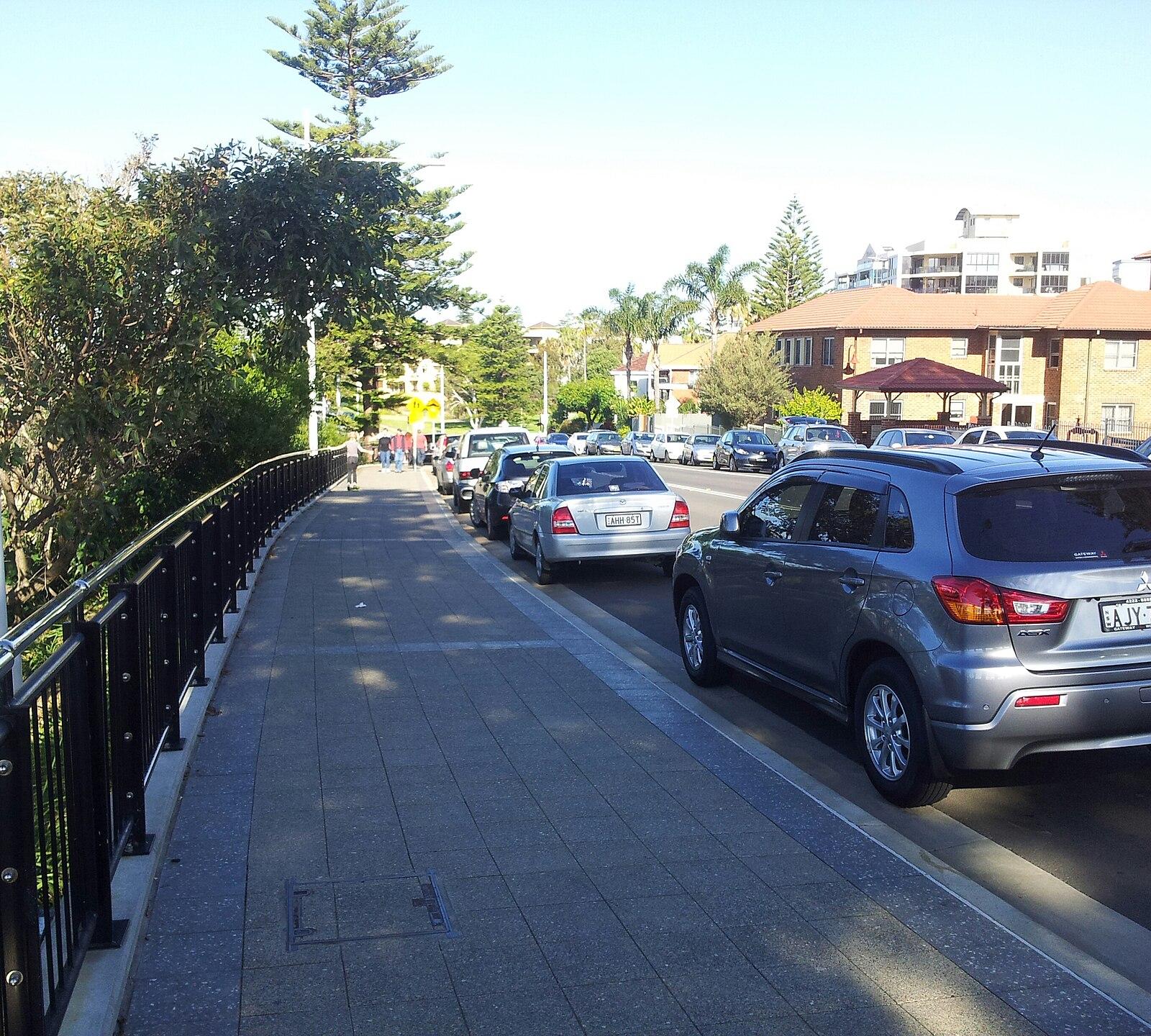
Wollongong City Council received 214 formal objections to development applications in the first six months of 2026, a figure that council planners say is tracking roughly 30 per cent above the same period last year. The spike reflects a city caught between a chronic housing shortage and neighbourhoods that feel the pace of change is outrunning the infrastructure meant to support it.
The tension is not abstract. NSW's median dwelling price sits around $860,000, and Wollongong has absorbed a sustained wave of Sydney overflow buyers priced out of the capital. That demand has sent developers hunting for sites from the Corrimal town centre down to Port Kembla, and it has put council's planning department under pressure to process applications faster than many locals believe is prudent.
What Residents Are Actually Saying
The loudest recent flashpoints have been along Princes Highway in Fairy Meadow, where two separate proposals for five- and six-storey mixed-use buildings have drawn organised resistance from the Fairy Meadow Progress Association. Objectors are not simply crying NIMBY. Their written submissions, available on council's DA tracker, cite specific concerns: insufficient basement car parking relative to the number of proposed units, inadequate setbacks from existing brick bungalows on Bode Avenue, and the cumulative load on a stormwater network that flooded Belmore Basin car park twice in the past 18 months.
Further north, residents near Thirroul village have been watching the Shafston House-style appetite for heritage conversion with wariness. The Thirroul Residents Association lodged a formal submission in May opposing the partial demolition of a Federation-era warehouse on Railway Parade, arguing that any approval should be conditional on an independent heritage impact statement, not just the developer's own consultant report.
These are not frivolous objections. Height, density, parking and heritage are exactly the criteria council's own Development Control Plan 2009 instructs planners to weigh. When residents engage on those grounds, the planning system is working as designed.
Why Developers Say Delay Has Its Own Costs
Developers pushing back on organised opposition make a blunter argument: every month a viable project sits in limbo is a month fewer dwellings exist in a market where the Illawarra Homelessness Network reported a 19 per cent increase in people presenting for emergency housing support in the 12 months to March 2026.
The Property Council of Australia's NSW chapter has flagged Wollongong specifically in its July 2026 pipeline report, noting that average DA determination times in the LGA blew out to 112 days in the March quarter, against a state benchmark of 60 days for residential projects under 20 units. Projects that stall often die. Financing costs, rising construction prices, structural steel alone lifted roughly 11 per cent in the year to June, and lender nervousness can collectively kill a project that was marginal to begin with.
The consequence is not that the old warehouse in Thirroul stays a warehouse forever. It is more likely that it eventually gets a lower-quality fitout under a less well-capitalised developer, or gets sold to an operator who has no interest in the heritage the community wanted to protect in the first place.
Both sides are, in other words, arguing from genuine interests rather than pure bad faith. That is easy to forget at a council chamber meeting when a room full of angry residents is facing off against a developer's solicitor.
Council's planning director is scheduled to present a revised Community Participation Plan to the full council meeting on July 28, which is expected to propose earlier and more structured consultation, specifically a mandatory pre-lodgement community information session for any residential project above four storeys in the urban core. If adopted, it would not slow approvals for compliant proposals, but it would give Bode Avenue residents and Thirroul heritage advocates a seat at the table before the concrete is poured into the design, not after. Whether developers accept that trade-off willingly, or treat it as another layer of delay, will go a long way to determining what Wollongong looks like by 2030.
This article is general information only and is not personal financial or investment advice. Consider your own circumstances and seek licensed professional advice before making financial decisions.