Property
Wollongong renters gain ground as capital city ownership dream fades
Regional rental markets offer sharper affordability than Sydney, but ownership remains elusive across both landscapes.
2 min read
Property
Regional rental markets offer sharper affordability than Sydney, but ownership remains elusive across both landscapes.
2 min read
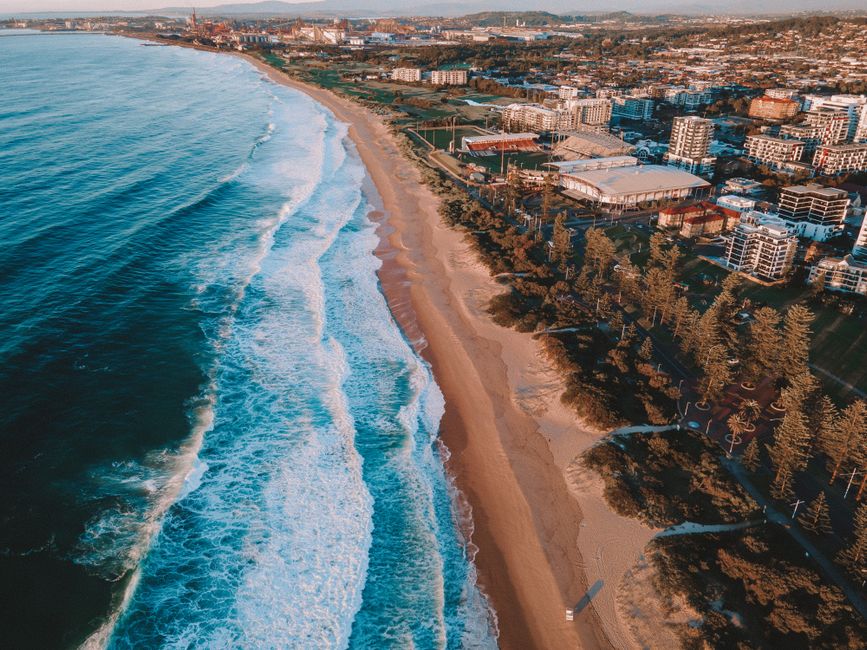
The rental market in Wollongong is painting a starkly different picture than Sydney's, offering tenants a rare moment of breathing room as they reassess homeownership prospects across New South Wales.
With Sydney property prices hovering around the $860,000 median and the capital's rental yields compressed, Wollongong's regional advantage is increasingly difficult to ignore. A three-bedroom home in Fairy Meadow or Thirroul—once considered coastal bargains—now commands $600–$750 weekly rents, while purchase prices have climbed steadily. Yet compared to equivalent Sydney properties, the gap remains substantial.
The calculus is shifting. A recent analysis of regional versus metropolitan markets reveals that Wollongong renters are spending approximately 28–32 per cent of their income on housing, compared to Sydney renters absorbing 35–40 per cent. "What we're seeing is a repricing of the ownership dream," explains local housing advocates tracking the CBD renewal precinct around Crown Street and the Wollongong Entertainment Centre.
The affordability crisis hitting Australian capitals has created an unexpected halo effect for inland and regional markets. Families priced out of Woollahra are increasingly eyeing suburbs like Figtree and Mount Pleasant, where rental competition remains manageable and purchase entry points, while not cheap, offer slightly better long-term value propositions than Sydney.
However, the regional advantage has limits. Wollongong's median property price of approximately $720,000–$780,000 still requires substantial deposits and serviceability assessments that exclude many first-time buyers. Interest rate sensitivity remains acute; a $500,000 mortgage carries significantly different repayment burdens than it did two years ago.
What distinguishes Wollongong's rental market is stability. Unlike Sydney's vacancy pinch, local vacancy rates hover closer to 2–3 per cent—not abundant, but less predatory than the capital. This translates to modestly more negotiating power for tenants and slightly less frenzied bidding for furnished apartments near Wollongong Hospital or the North Beach precinct.
The broader context matters too. With Adelaide property prices falling for the first time in years and broader tax policy changes affecting investor sentiment, regional NSW markets like Wollongong occupy an interesting middle ground: more expensive than secondary cities, yet more accessible than Sydney, with rental yields that reward patient investors without crushing tenant budgets.
For Wollongong residents, the message is pragmatic: renting here remains comparatively rational, but homeownership still demands discipline, strong income, and realistic expectations about location and timing.
This article was compiled by AI and screened before publishing. See our editorial standards.
Spread the word
About this article
Published by The Daily Wollongong
Daily brief
Free, in your inbox before 7am. Weekdays.
Stay in the loop