Property
Five years on: how Wollongong's 2026 market compares to the frenzy of 2021
The boom years feel distant as rate pain takes hold, but today's market tells a more complex story than simple decline.
2 min read
Property
The boom years feel distant as rate pain takes hold, but today's market tells a more complex story than simple decline.
2 min read
In 2021, Wollongong felt like the investment world's hottest secret. First-home buyers lined up at open houses in Fairy Meadow. Investors chased yield on Crown Street. Properties sold within days, often above asking. The median price hit $720,000 by year's end—a 25 per cent jump in twelve months.
Today, five years later, the mood has shifted. The median sits around $860,000—growth, yes, but spread thin across half a decade and tempered by persistent interest rate pressure. The RBA's insistence that monetary tightening is working has left Illawarra borrowers exhausted rather than euphoric.
Yet comparing 2021 to mid-2026 reveals nuance beyond the headline figures. The boom was driven by pandemic-era flight from Sydney apartments and ultra-loose policy. Buyers treating property as a wealth-building certainty dominated the market. Speed and competition were everything.
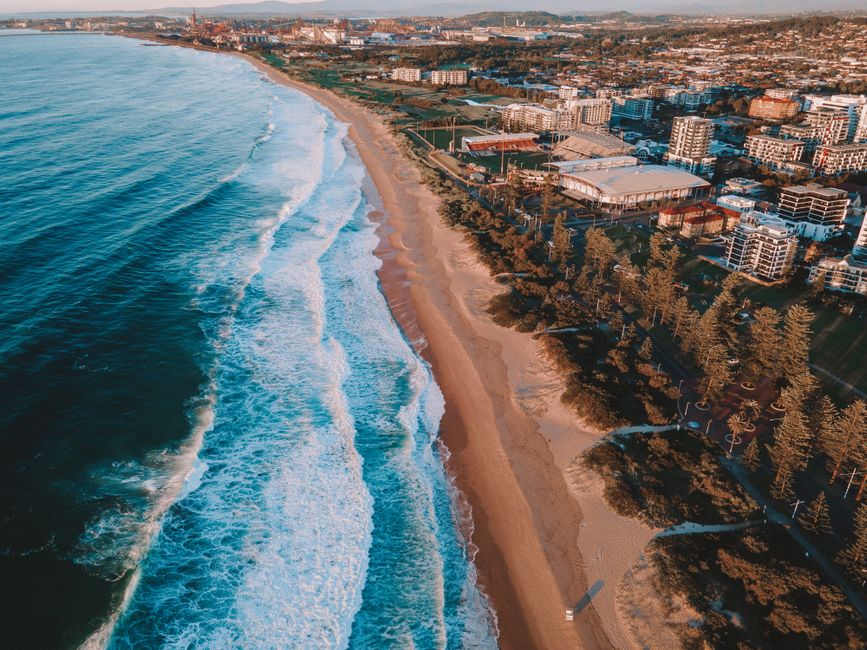
Today's buyer looks different. Inner suburbs like Wollongong CBD—long undervalued—are attracting genuine end-users drawn by renewal projects and improved amenities rather than speculative fever. The waterfront precincts around North Beach and recent activation along Corrimal Street suggest quality-of-life fundamentals, not FOMO, are driving interest.
Coastal pockets tell the story most clearly. Thirroul and Bulli, which saw the most aggressive 2021 appreciation, have stabilised. A weatherboard cottage that sold for $1.2 million in 2022 might fetch $1.1 million today—a correction, but not a crash. Suburbs like Mount Druitt and Mangerton, overlooked during the boom, have held their ground more steadily, suggesting the easy gains have been wrung out.
The rental market offers another lens. Vacancy rates have tightened considerably as rate-struck investors pulled back from new purchases. A two-bedroom in Fairy Meadow that rents for $520 weekly now commands stronger yields than the frothy sales figures suggest, attracting a different cohort: serious portfolio builders rather than wealth-chasing amateurs.
What's genuinely changed is certainty. In 2021, nobody questioned whether prices would keep climbing. Today, buyers and agents grapple with real questions about affordability ceilings, rate trajectories, and Sydney's pulling power. The Illawarra's premium positioning—close enough to Sydney to offer overflow appeal, far enough for genuine lifestyle change—remains intact. But that premium now reflects actual amenity and demographics rather than pandemic panic.
The comparison suggests Wollongong has matured. The 2021 boom was unsustainable theatre. The 2026 market, slower and more considered, may prove more durable.
This article was compiled by AI and screened before publishing. See our editorial standards.
Spread the word
About this article
Published by The Daily Wollongong
Daily brief
Free, in your inbox before 7am. Weekdays.
Stay in the loop