Property
Five years on: How Wollongong's property market today stacks up against the 2021 boom
Price growth has slowed, but fundamentals suggest a steadier, more sustainable cycle than the pandemic-fuelled frenzy of five years ago.
2 min read
Property
Price growth has slowed, but fundamentals suggest a steadier, more sustainable cycle than the pandemic-fuelled frenzy of five years ago.
2 min read
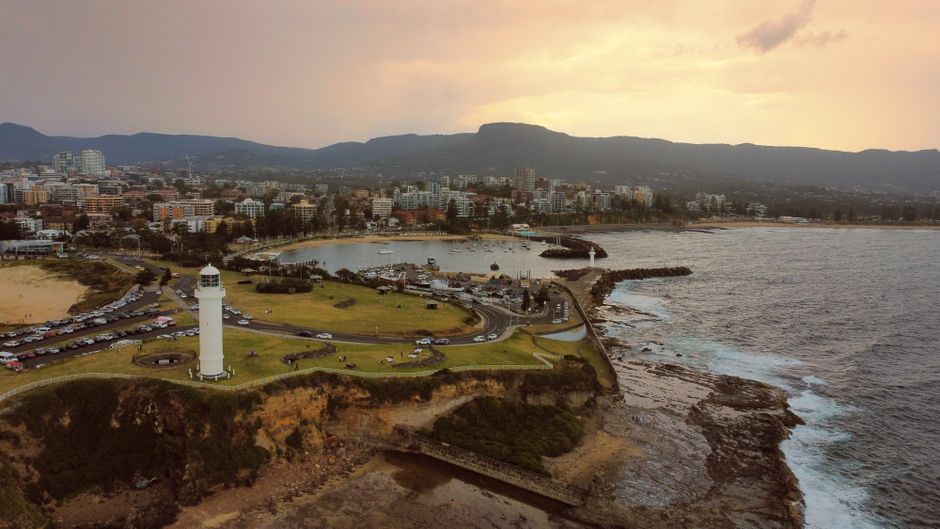
In mid-2021, Wollongong's property market was white-hot. Sydney buyers were fleeing the city, interest rates sat at historic lows, and beachside suburbs like Thirroul and Fairy Meadow were commanding premiums that seemed to defy logic. A weatherboard cottage in Austinvilla could fetch north of $1.2 million. Today's market tells a markedly different story—one of moderation rather than mania.
The headline figures reflect a sharp deceleration. Where Wollongong's median dwelling price surged roughly 25–30 per cent annually during 2021–2022, recent movements have settled into a steadier 3–5 per cent annual appreciation. The NSW state median now hovers around $860,000, and Wollongong proper tracks only marginally above that baseline. Properties that might have attracted bidding wars in 2021 now take longer to move, and price expectations have recalibrated.
Yet comparing apples to apples reveals important nuances. The 2021 cycle was driven by panic buying and geographic arbitrage—buyers fleeing Sydney's unaffordability and COVID-era work-from-home flexibility. It was reactive and unsustainable. Today's market, by contrast, appears anchored to more rational fundamentals: steady interstate migration, genuine lifestyle demand, and the city's emerging appeal as a regional hub.
Coastal precincts like Thirroul and Bulli remain premium-priced, but the arbitrage has narrowed. A quality home in these suburbs might now hover around $1.4–$1.6 million rather than the $1.8–$2.1 million being achieved in 2021–2022. Meanwhile, the CBD and adjacent suburbs such as Fairy Meadow are seeing genuine renewal investment that wasn't evident five years ago—apartment projects, retail activation, and infrastructure upgrades that suggest structural, long-term appeal rather than speculative froth.
Interest rates tell part of the story. The RBA's current settings—higher than 2021 but trending toward cuts—are reshaping buyer behaviour. First-home buyers, largely sidelined in 2021, are re-entering the market. Investors are becoming more selective, focusing on yield rather than capital appreciation alone.
The comparison ultimately favours today's market. The 2021 boom was a once-in-a-generation anomaly driven by pandemic-era distortions. What's unfolding now in Wollongong—measured growth, diversifying demand drivers, and infrastructure investment—looks more like a genuine economic rebalancing than a speculative cycle. The question facing buyers and sellers isn't whether we'll see 2021 returns, but whether Wollongong's foundations are finally solid enough to sustain something better: long-term, sustainable prosperity.
This article was compiled by AI from the sources linked above and screened before publishing. See our editorial standards.
Spread the word
About this article
Published by The Daily Wollongong
Daily brief
Free, in your inbox before 7am. Weekdays.
Stay in the loop