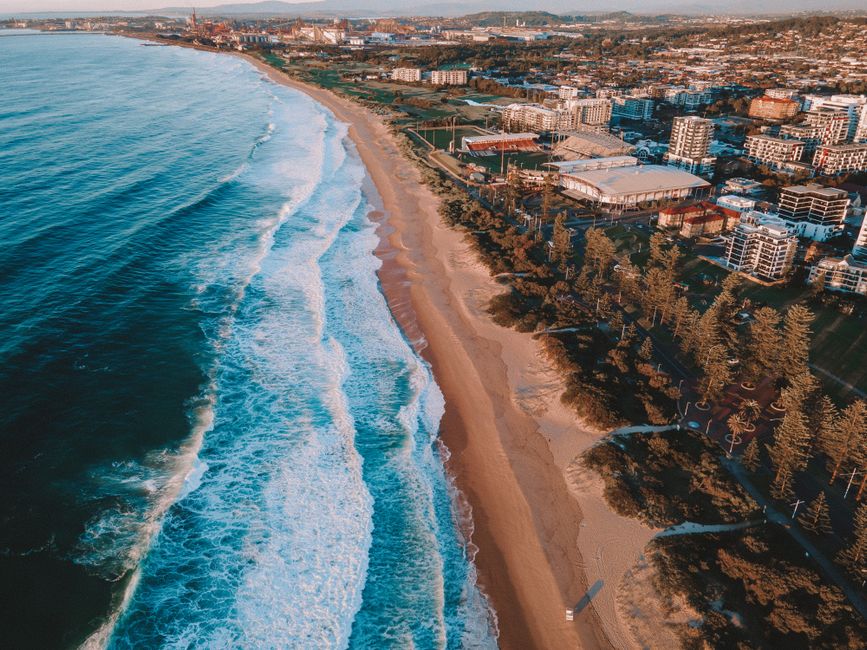
A 180-unit Fairy Meadow apartment development has divided Wollongong residents. Explore why housing growth, density concerns, and infrastructure strain are reshaping the city's future.
A proposed 180-unit apartment complex in Fairy Meadow has become the latest flashpoint in Wollongong's ongoing battle between urban renewal advocates and conservation-minded residents. The five-storey development, slated for a stretch of Princes Highway near Fairy Meadow Park, has drawn fierce objections from locals who fear overdensity and strain on local amenities. Yet supporters argue the city urgently needs housing to accommodate Sydney overflow and remain competitive in a national property market where the NSW median hovers near $860,000.
The tension reflects a genuine divergence in vision. Opponents—many long-term residents in established suburbs—point to limited parking, concerns about Princes Highway congestion, and the loss of green space near Fairy Meadow Park's playing fields and recreation areas. "This isn't about stopping growth," said one community spokesperson. "It's about pace and planning. We worry the local infrastructure can't keep up." Schools, water services, and traffic flow are recurring concerns raised at council meetings.
Developers and housing advocates counter that Wollongong's property boom demands decisive action. With Sydney buyers seeking alternatives, median values in desirable coastal pockets like Thirroul now exceed $1.2 million. Proponents argue that mid-rise, well-planned apartments ease housing pressure, support local retail in the CBD redevelopment zone, and reduce sprawl into surrounding agricultural land. "If we don't build here," one local property advocate noted, "people simply won't move south. The shortage only worsens."
The CBD renewal strategy, currently under council review, further complicates sentiment. Investment in Crown Street's retail precinct and mixed-use development could revitalise the commercial heart, supporters believe. Critics worry gentrification will price out existing tenants and alter the city's character.
Council has begun requiring developers to fund infrastructure upgrades—road improvements, stormwater management, and community facilities—before approval. This marks a shift toward managing growth more carefully, though debate rages over whether contributions go far enough.
The reality is neither side is entirely wrong. Wollongong does need housing supply to remain affordable relative to Sydney; the First Home Owners Grant alone no longer stretches far enough for many buyers. Yet rapid densification without coordinated infrastructure investment risks overwhelming local services and alienating communities who chose the area for its character.
As more proposals surface—Thirroul beachside projects, Coniston Avenue infill schemes—Wollongong's challenge is clear: enable growth that meets market demand while respecting resident concerns about pace, design, and infrastructure. The next 12 months of planning decisions will define whether the city can navigate this divide.
This article was compiled by AI from the sources linked above and screened before publishing. See our editorial standards.