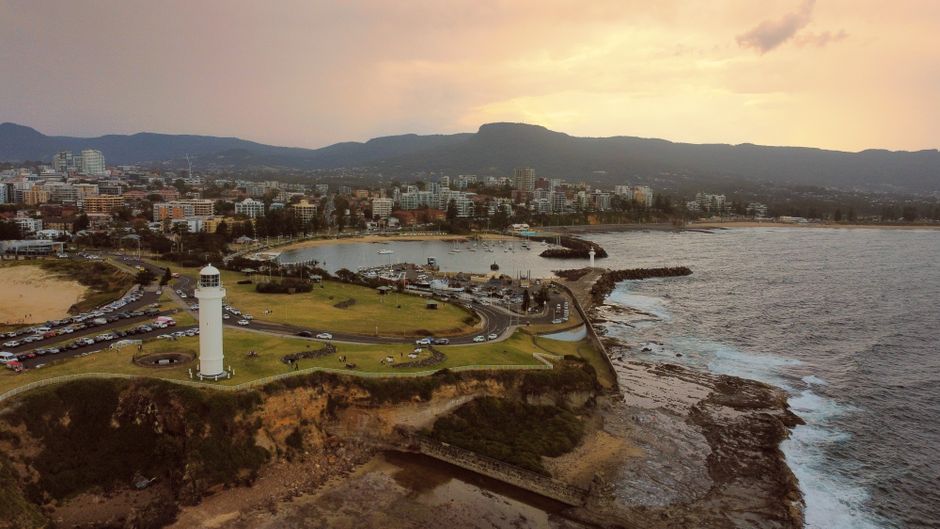
Wollongong home hunters are increasingly encountering the same property photograph appearing across multiple listings — sometimes at different prices, sometimes under different agency names — creating confusion in a market where the gap between a correct decision and a costly one can run to tens of thousands of dollars. The problem, known in real estate data management as duplicate image replacement failure, is drawing renewed scrutiny as the Illawarra's housing supply crunch deepens into mid-2026.
The timing is not incidental. Greater Wollongong's median house price has climbed sharply over recent years as Sydney-based buyers moved south along the Princes Highway corridor, compressing supply across suburbs from Fairy Meadow to Shellharbour. In that environment, a buyer who makes an offer based on a recycled or mislabelled photograph — confusing a renovated kitchen in a Corrimal terrace with an unrenovated one, for example — is not simply inconvenienced. They may be making a financial commitment on false visual premises.
How Duplicate Images Enter the System
The mechanics are straightforward, if unglamorous. When agencies upload listings to aggregator platforms such as Domain or realestate.com.au, photographs are assigned unique file identifiers. When an agent relists a property — after a failed sale, a price revision, or a change of agency — old image files sometimes persist in the platform's cache rather than being replaced by current photographs. A property on Keira Street, Wollongong, may therefore display exterior shots from a 2023 listing showing a garden that no longer exists, or interior renovations that were completed after the original photos were taken but never re-uploaded.
The issue is compounded when a property is cross-listed across multiple portals simultaneously. A Crown Street West duplex, for instance, might show a freshly painted facade on one platform and a pre-renovation frontage on another, both live on the same afternoon. Buyers comparing listings across platforms have no reliable way to reconcile the discrepancy without physically inspecting the property or telephoning the agent — a step that research consistently shows fewer under-40 buyers are taking before shortlisting properties.
The University of Wollongong's Smart Infrastructure Facility, which has examined digital systems in property and urban planning contexts, has previously noted broader concerns about data integrity in the built environment sector, though no specific study on listing image duplication in the Illawarra has been publicly released to date.
What It Means for Wollongong Buyers Right Now
The practical stakes are clearest in the unit and townhouse market. The suburb of Fairy Meadow recorded strong auction clearance activity through the first half of 2026, with entry-level units drawing competitive bidding. When two or three buyers at an auction have independently formed their impression of a property primarily through digital images — and those images do not accurately represent current condition — the result can be disputes, withdrawn offers, or purchases quickly followed by complaints to NSW Fair Trading.
NSW Fair Trading, which sits under the Department of Customer Service, handles complaints about misleading property advertising under the Property and Stock Agents Act 2002. A complaint can be lodged online or at the Wollongong Service NSW centre on Crown Street. The process does not guarantee financial redress, but it does create a formal record and can trigger agency audits.
For buyers active in the market now, the practical advice from property law practitioners is consistent: treat any online photograph as unverified until a physical inspection or a recent, dated video walkthrough confirms it. Ask the selling agent specifically when the current photographs were taken and whether the images reflect the property's condition as of the listing date. If an agent cannot confirm the photograph date, that itself is information worth weighing.
The NSW government's Illawarra Shoalhaven Regional Development Fund is currently directing investment toward housing supply initiatives across the region, meaning more dwellings will enter the market over the next 18 to 36 months. Greater supply should, over time, reduce the frenetic pace that makes image errors so consequential. Until that stock arrives, the burden of verification sits with the buyer — and the photographs on the screen may not be telling the whole story.