News
Dug Out in Numbers: The Hard Data Behind Illawarra's Coal Mining Century
From peak tonnage to pit closures, the figures that shaped the Illawarra tell a story that matters more than ever as the region pivots to green energy.
3 min read
News
From peak tonnage to pit closures, the figures that shaped the Illawarra tell a story that matters more than ever as the region pivots to green energy.
3 min read
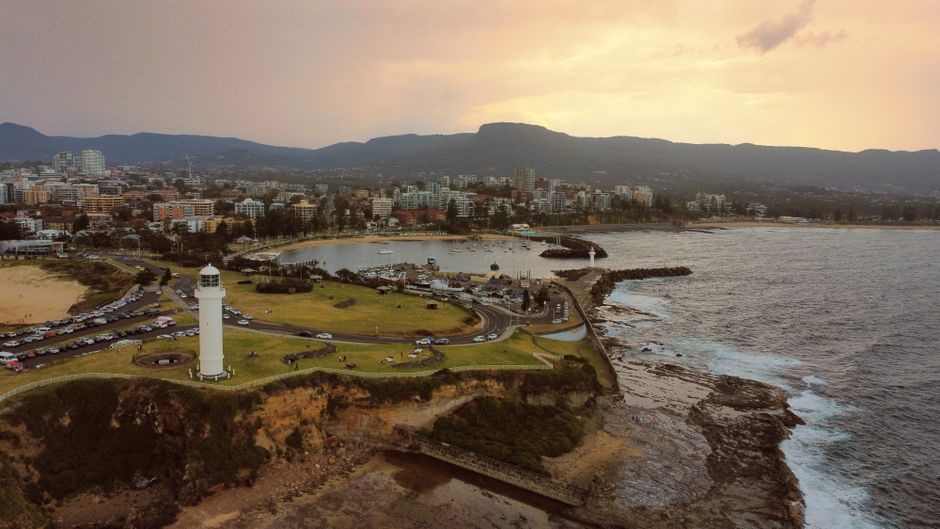
At its peak in the early 1960s, the Illawarra coalfield was producing more than 6 million tonnes of coal annually, feeding the furnaces at Port Kembla and keeping the lights on across New South Wales. That single figure — 6 million tonnes — underpins almost everything about how this region was built: its towns, its rail lines, its demographics, and its sense of itself.
The timing of any reckoning with those numbers matters now. BlueScope Steel is deep into its transition planning toward green steel production at Port Kembla, the NSW Government has designated the area a Renewable Energy Zone, and the Illawarra Shoalhaven Regional Development Fund is directing capital toward industries that would have been unimaginable to the men who clocked on at Bulli Colliery in 1887. Understanding the coal economy's scale is not nostalgia — it's a baseline for measuring how much the region still needs to replace.
At one point the Illawarra coalfield supported more than 30 operating collieries running from Helensburgh in the north down through Thirroul, Bulli, Corrimal, Woonona and Bellambi to Coalcliff. The Southern Coalfield, of which the Illawarra formed the northern arm, employed roughly 20,000 miners across NSW at its employment peak in the 1940s — with the Illawarra accounting for an estimated 8,000 to 9,000 of those jobs directly, plus thousands more in associated rail, port and processing work.
The Bulli Coal Mine, which began commercial extraction in 1877, was among the most productive in the state for nearly four decades. By 1900, coal from the Illawarra was being loaded at Bellambi Wharf at a rate that made the port one of the busiest coal-export points on the eastern seaboard. The construction of the Illawarra railway line in 1867 — running through what is now Wollongong's Crown Street CBD precinct — was driven almost entirely by the need to shift coal to Port Kembla and Sydney.
The Dendrobium Coal Mine, the last underground colliery operating in the coalfield, ran beneath the Avon Dam catchment west of Wollongong until South32 closed it in 2023 after 18 years of production. At closure, Dendrobium had extracted approximately 50 million tonnes of metallurgical coal over its operational life — coal used primarily to make the coke that feeds BlueScope's Port Kembla blast furnaces. South32 employed around 400 workers at the site at its operational height.
The Illawarra's coal royalties contributed significantly to NSW Treasury revenues for most of the 20th century. A 2019 NSW Resources Regulator assessment valued the Southern Coalfield's remaining recoverable reserves at roughly 1.3 billion tonnes — most of it now commercially and politically inaccessible under new environmental and water-protection frameworks.
The University of Wollongong's SMART Infrastructure Facility has been tracking the economic transition across the region, noting that the direct jobs lost since peak coal employment have never been fully replaced by equivalent industrial work. The gap has been partially filled by the services sector, retail along Keira Street and Crown Street, and the university's own 5,000-plus staff and 30,000 student population, which pumps an estimated $1.6 billion annually into the local economy.
For residents trying to understand the scale of what coal built here, the Wollongong City Gallery and the Illawarra Museum on Market Street both hold archival records and photographic collections documenting the collieries. The Coalcliff area and the former Bulli Showground precinct still carry the physical imprint of that industry in their infrastructure and streetscapes.
The practical question for the Illawarra now is whether the Renewable Energy Zone designation and BlueScope's green steel investment — the company has flagged capital expenditure of up to $3 billion for the Port Kembla transition by the mid-2030s — can eventually generate employment numbers that approach what coal once supported. The baseline is clear. Whether the new economy matches it is the number worth watching.
Spread the word
About this article
Published by The Daily Wollongong
Daily brief
Free, in your inbox before 7am. Weekdays.
Stay in the loop