News
Wollongong Council Budget 2024: $280m Plan & Rate Rises
Wollongong Council's $280m budget reveals 6.8% rate increase and shifting spending priorities. How the 2024 budget impacts Illawarra household costs and community services.
2 min read
News
Wollongong Council's $280m budget reveals 6.8% rate increase and shifting spending priorities. How the 2024 budget impacts Illawarra household costs and community services.
2 min read
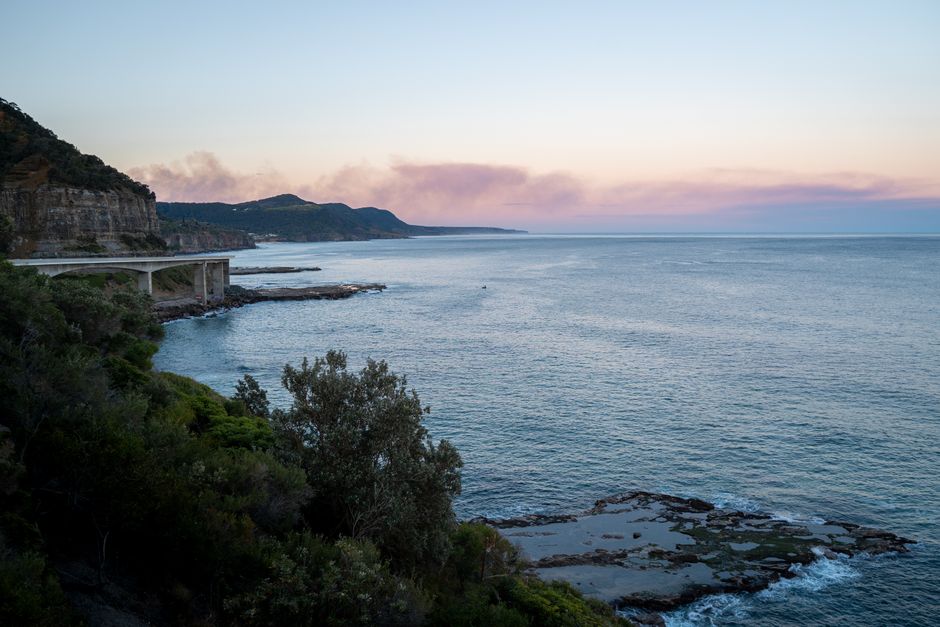
Wollongong City Council's latest budget allocation reveals a community at a crossroads, with decisions made in the next twelve months likely to reshape daily life for residents from the beachfront suburbs to the inland townships.
The council's $280 million spending plan, finalised this week, signals a 6.8 per cent average rate increase—roughly $130 more annually for the median household. For a family in Thirroul or Mount Ousley already stretched by mortgage pressures and inflation, this represents a tangible squeeze on household budgets. Yet what matters more is what council is choosing to fund and what services face reduction.
The budget prioritises funding for the Wollongong Waterfront precinct upgrade, with $45 million committed over the next four years. While this investment aims to attract tourism and investment, residents on Keira Street and in the CBD will experience construction disruptions. Local business owners report uncertainty about foot traffic during works—a genuine concern when competing with North Beach and other coastal alternatives.
More pressing for many is the decision to defer pothole repairs and street resurfacing across suburbs like Keiraville, Mangerton and Corrimal. Council documents acknowledge the roads maintenance backlog now exceeds $380 million. Residents in these areas can expect another year of deteriorating local street conditions.
Community services funding tells another story. The council has committed $8.2 million to youth services and $12 million to aged care support—recognising Wollongong's ageing population and youth unemployment challenges. Yet librarians report that branch hours at Dapto, Warrawong and Shellharbour libraries face potential cuts due to staffing constraints.
The budget also reflects the council's alignment with the state government's green steel transition narrative. Infrastructure spending increasingly targets Port Kembla's renewable energy precinct and BlueScope's decarbonisation projects. While this positions Wollongong for long-term economic growth, it means shorter-term investment in local neighbourhood amenities feels secondary.
For residents, these aren't abstract policy decisions. They're about whether the council provides timely responses to requests about stormwater drainage in Coniston or whether local parks in West Wollongong receive adequate maintenance funding.
The budget consultation period closes on 13 July. This is when residents have genuine leverage to shape priorities. Those concerned about rate increases, service cuts, or spending direction should attend the community sessions or make formal submissions. Local government budgets are ultimately about choice—and right now, Wollongong's residents still have a voice in how that $280 million gets spent.
This article was compiled by AI and screened before publishing. See our editorial standards.
Spread the word
About this article
Published by The Daily Wollongong
Daily brief
Free, in your inbox before 7am. Weekdays.
Stay in the loop