News
By the Numbers: What Wollongong's Green Steel Revolution Actually Means
Behind the headlines about BlueScope's transformation lies a data story of targets, timelines, and the economic stakes reshaping the Illawarra.
2 min read
News
Behind the headlines about BlueScope's transformation lies a data story of targets, timelines, and the economic stakes reshaping the Illawarra.
2 min read
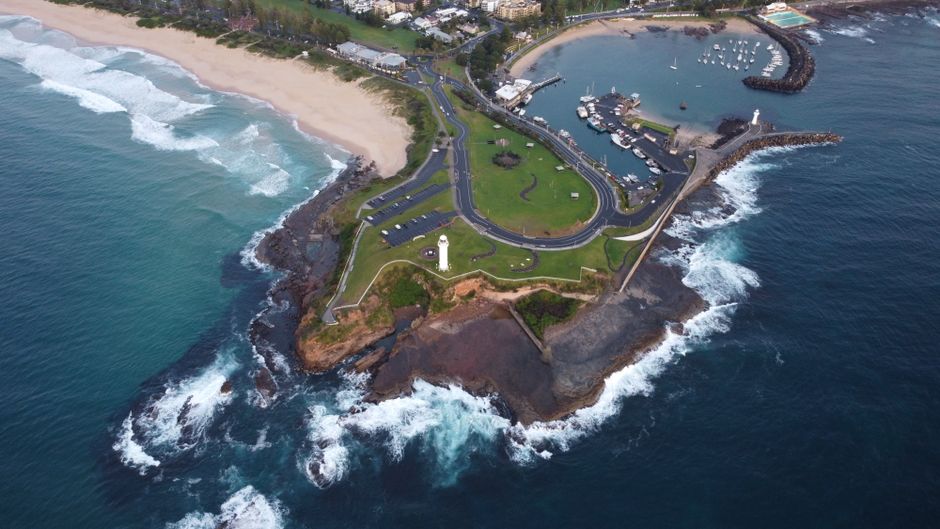
When BlueScope Steel announced its commitment to net-zero emissions by 2050, the milestone sounded transformative. But the real story of Wollongong's environmental shift emerges in the granular data: production volumes, carbon reduction percentages, and the infrastructure investments now reshaping Port Kembla's industrial landscape.
The Port Kembla steel works currently produces approximately 4.8 million tonnes of crude steel annually—a figure that hasn't shifted dramatically in recent years. What has changed is the methodology. BlueScope's electric arc furnace capacity, which now accounts for roughly 35 per cent of total production, represents the company's pivot away from traditional blast furnaces. The financial commitment is substantial: estimates suggest the full transition to green steelmaking will require between $800 million and $1.2 billion in capital expenditure across the Illawarra operations through 2035.
The renewable energy zone proposed for Port Kembla represents an equally significant data point. Preliminary assessments indicate the precinct could generate 400-500 megawatts of capacity by 2033—enough to power approximately 350,000 homes in the region. Current Illawarra household consumption averages 4.2 megawatt-hours annually, making the renewable corridor theoretically capable of servicing the entire regional demand within a decade.
Employment projections tell another part of the story. The NSW Government's Illawarra Shoalhaven Regional Development Fund has allocated $540 million toward green industry transition. Industry modelling suggests the green steel and renewable sectors could generate 2,400 new skilled jobs by 2032, though retraining programs for workers displaced from carbon-intensive operations remain underfunded at approximately $85 million—roughly 16 per cent of the development fund.
Housing affordability data underscores the pressure. Median house prices in suburbs like Port Kembla and West Wollongong have risen 23 per cent since 2021, while average household incomes have grown only 8 per cent—a gap that sustainability advocates argue demands alignment with economic transition plans. University of Wollongong research indicates that without targeted affordable housing policies, 34 per cent of workers entering green energy sectors could not afford entry-level properties within 5 kilometres of Port Kembla.
Water usage figures complete the picture. The proposed green steel operations would reduce water consumption by approximately 45 per cent compared to traditional blast furnace methods, potentially freeing 8.4 billion litres annually for agricultural and residential use across the Illawarra.
These numbers—production volumes, investment figures, employment projections, and resource efficiency gains—form the quantitative skeleton of Wollongong's environmental transformation. They reveal ambition, but also reveal gaps where policy and financing must accelerate.
This article was compiled by AI and screened before publishing. See our editorial standards.
Spread the word
About this article
Published by The Daily Wollongong
Daily brief
Free, in your inbox before 7am. Weekdays.
Stay in the loop