News
Wollongong Council Faces Pressure Over Stormwater Upgrades: What Officials Are Saying
As the city grapples with aging infrastructure and climate concerns, local leaders outline competing priorities and funding challenges ahead.
2 min read
News
As the city grapples with aging infrastructure and climate concerns, local leaders outline competing priorities and funding challenges ahead.
2 min read
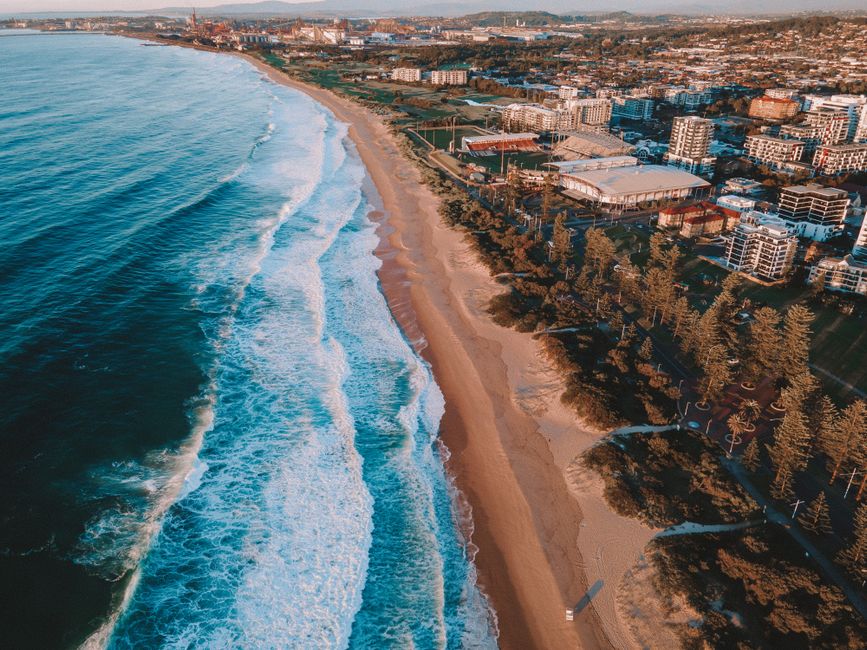
Wollongong's push to modernise its stormwater systems has become a flashpoint in local government, with council officials, infrastructure experts and community advocates offering starkly different assessments of the city's readiness to tackle the $140 million upgrade programme.
At a packed briefing this week, city planners outlined plans to overhaul drainage networks across the CBD, Lake Illawarra foreshore, and residential corridors along Crown Street and the northern suburbs. The initiative follows three major flooding events since 2023 that displaced hundreds of residents and caused an estimated $28 million in property damage.
"We're facing a critical window," said a spokesperson from the Illawarra Local Government Association, speaking on condition of anonymity due to political sensitivities. "The infrastructure is genuinely at capacity. Without intervention, we'll see repeat flooding within 18 months."
However, community representatives have raised concerns about cost-shifting to ratepayers. The Wollongong Residents' Action Group pointed out that average council rates have increased 7.2 per cent annually over the past five years—well above inflation. Spokesperson noted that residents on fixed incomes in suburbs like Figtree and Mount Ousley are particularly vulnerable to further levies.
Structural engineers consulted independently by The Daily Wollongong characterised the current system as "borderline obsolete." One expert noted that sections of the main stormwater trunk line beneath Church Street, installed in 1967, have never been properly assessed for integrity. "We're essentially flying blind on critical infrastructure," the engineer explained.
The council's procurement process has also drawn scrutiny. Three separate tenders for stage-one works (scheduled for Fairy Meadow and Corrimal) were rejected after cost blowouts, with officials citing supply chain disruptions and labour shortages in the construction sector.
Local business groups have positioned themselves between concerns about disruption and infrastructure necessity. The Wollongong Chamber of Commerce acknowledged the economic case for upgrades but urged staged implementation to minimise CBD congestion and retail impact during execution.
A report prepared for council by independent water management consultants suggests a hybrid approach: prioritising highest-risk zones immediately while exploring public-private partnerships and state government grants to offset local funding pressures. That recommendation now sits with elected councillors, who face a decision point in August on whether to proceed with full funding or negotiate staged rollout.
"Everyone agrees the work needs doing," a council official said. "The real conversation is about timing, cost-sharing and who bears the burden. That's always where local politics gets complicated."
This article was compiled by AI and screened before publishing. See our editorial standards.
Spread the word
About this article
Published by The Daily Wollongong
Daily brief
Free, in your inbox before 7am. Weekdays.
Stay in the loop