News
Wollongong's Green Revolution by the Numbers: What the Data Really Reveals
New figures show the city's sustainability push is gathering momentum, but experts warn the numbers expose a significant gap between ambition and delivery.
2 min read
News
New figures show the city's sustainability push is gathering momentum, but experts warn the numbers expose a significant gap between ambition and delivery.
2 min read
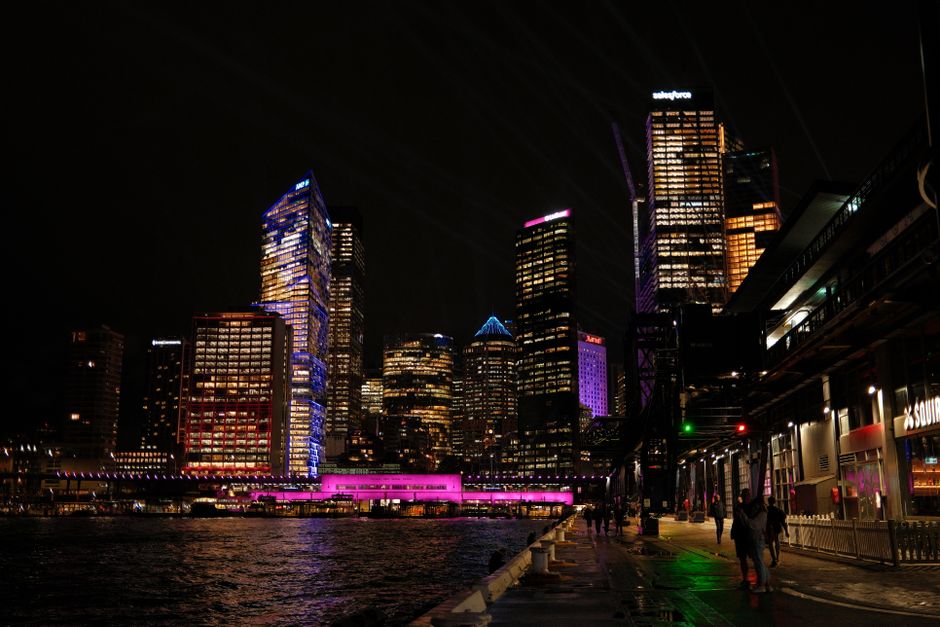
Wollongong's environmental initiatives have generated impressive statistics on paper, yet a closer examination of the data reveals a more complicated picture than headline achievements suggest.
The Wollongong City Council released its sustainability audit last month, reporting a 12.3 per cent reduction in corporate emissions since 2019—well ahead of the state's 10 per cent target. The council's operations across its 80-hectare Coniston precinct and administrative offices generated 8,437 tonnes of CO2 equivalent last financial year, down from 9,651 tonnes five years prior. Yet broader city-wide emissions remain stubbornly elevated at 2.4 million tonnes annually, with transport accounting for 47 per cent of that figure.
Renewable energy adoption tells a similar story of progress shadowed by scale. Rooftop solar installations across the Illawong, Fairy Meadow, and Bulli suburbs have grown 34 per cent year-on-year, with 6,847 residential systems now generating approximately 18.2 megawatts of capacity. However, this represents only 8.1 per cent of the city's total electricity consumption—a modest contribution despite the installations' cost averaging $12,500 per household before government rebates.
Water conservation figures are more encouraging. The Greater Wollongong Water Recycling Initiative, established 2019, now diverts 2.3 million litres of recycled water weekly to parks, reserves, and industrial users. This offsets approximately 3.1 per cent of residential consumption. Household water use has declined to 168 litres per capita daily, down from 187 litres in 2020—though this remains above the state average of 155 litres.
Waste management data presents a cautionary perspective. The Kembla Grange waste facility processed 287,000 tonnes of material last year. Of this, 41 per cent was diverted from landfill through recycling and composting programs. Yet contamination rates in curbside collections reached 8.2 per cent, suggesting public confusion persists despite education campaigns.
The most striking statistic concerns biodiversity. Council-managed revegetation along Bellambi Creek and across the Wollongong Botanic Garden at Mount Pleasant has established 47,392 native plantings since 2018. Tree canopy coverage increased marginally to 19.4 per cent citywide—still trailing the target of 22 per cent by 2030.
Dr Sarah Chen, sustainability consultant at UOW, notes the data tells an important story: "Wollongong is moving in the right direction, but velocity matters. At current rates, many 2030 targets will be missed unless intervention accelerates significantly." The numbers, she argues, demand scrutiny as much as celebration.
This article was compiled by AI from the sources linked above and screened before publishing. See our editorial standards.
Spread the word
About this article
Published by The Daily Wollongong
Daily brief
Free, in your inbox before 7am. Weekdays.
Stay in the loop