News
What City Leaders Are Saying About Wollongong's $850M Infrastructure Overhaul
Council officials and urban planning experts weigh in on the ambitious transport and housing agenda shaping the next decade.
2 min read
News
Council officials and urban planning experts weigh in on the ambitious transport and housing agenda shaping the next decade.
2 min read
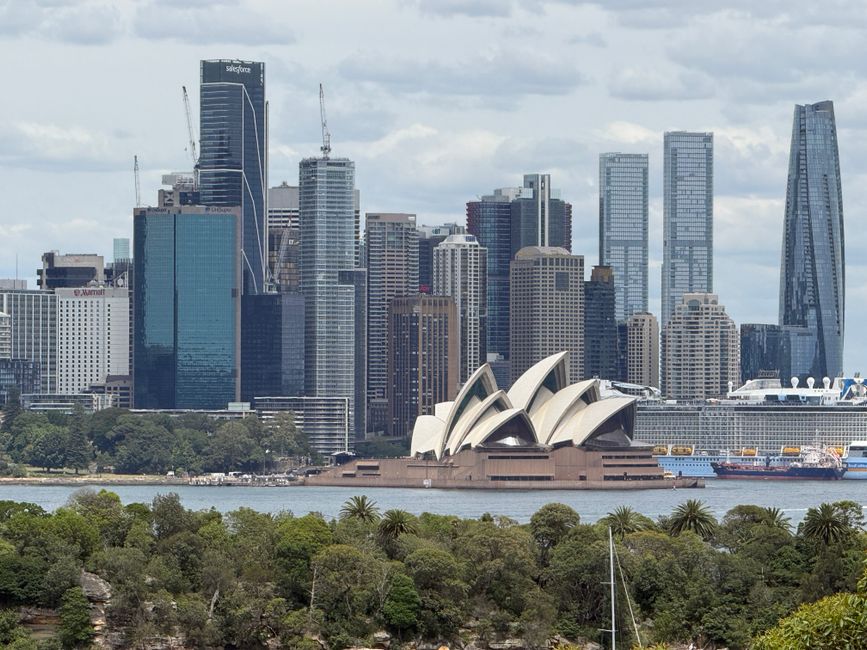
As Wollongong enters the second half of 2026, senior council figures and planning experts are increasingly vocal about the city's sprawling infrastructure commitments—particularly the contentious $850 million transport and urban renewal program stretching from the Innovation Campus through to Port Kembla.
In recent statements, City of Wollongong leadership has emphasised the urgency of the Harbour Foreshore precinct redevelopment, which council documents indicate will reshape Crown Street and the waterfront district over the next eight years. Officials have highlighted funding bottlenecks and timeline delays, with engineering consultants citing supply chain complications affecting concrete and steel procurement.
Dr Sarah Chen, director of the Urban Institute at the University of Wollongong, has publicly cautioned against over-commitment on multiple fronts. "We're seeing ambitious targets on housing density increases in Fairy Meadow and West Wollongong, but infrastructure—particularly water and sewage capacity—may not keep pace," she said in recent media appearances. Local government watchers note this represents a subtle shift from earlier cheerleading around the city's growth strategy.
The controversy has intensified around proposed rezoning decisions affecting the Corrimal and Bulli neighbourhoods. Residents have organised through community groups, raising concerns about parking provision and traffic flow on already-congested residential routes. Council officers have committed to additional community consultation, signalling potential design modifications.
Meanwhile, Wollongong Business Chamber representatives have emphasised the economic case for the Illawarra Regional Airport expansion—a project officials describe as critical for attracting international freight and tourism revenue. Chamber CEO commentary suggests private sector confidence remains high, though several industrial tenants in the Port area have expressed concerns about construction noise and access disruptions during the 2027-2029 implementation window.
Housing affordability remains a focal point. While council data shows median residential prices have climbed 18 percent since 2024, officials point to planned affordable housing quotas in new developments as evidence of social responsibility. Advocacy groups, however, argue the percentages fall short of genuine need in a city where rental vacancy rates hover below 2 percent.
Local government experts suggest the coming months will test whether Wollongong's leadership can balance growth ambitions with livability concerns. Council workshops scheduled for July will examine revised timelines and funding allocations—sessions observers describe as crucial for maintaining community confidence in the broader vision.
This article was compiled by AI from the sources linked above and screened before publishing. See our editorial standards.
Spread the word
About this article
Published by The Daily Wollongong
Daily brief
Free, in your inbox before 7am. Weekdays.
Stay in the loop