News
How Wollongong's Housing Crisis Became the Crisis It Is Today
A decade of planning decisions, population shifts and market forces have transformed the city's residential landscape beyond recognition.
2 min read
News
A decade of planning decisions, population shifts and market forces have transformed the city's residential landscape beyond recognition.
2 min read
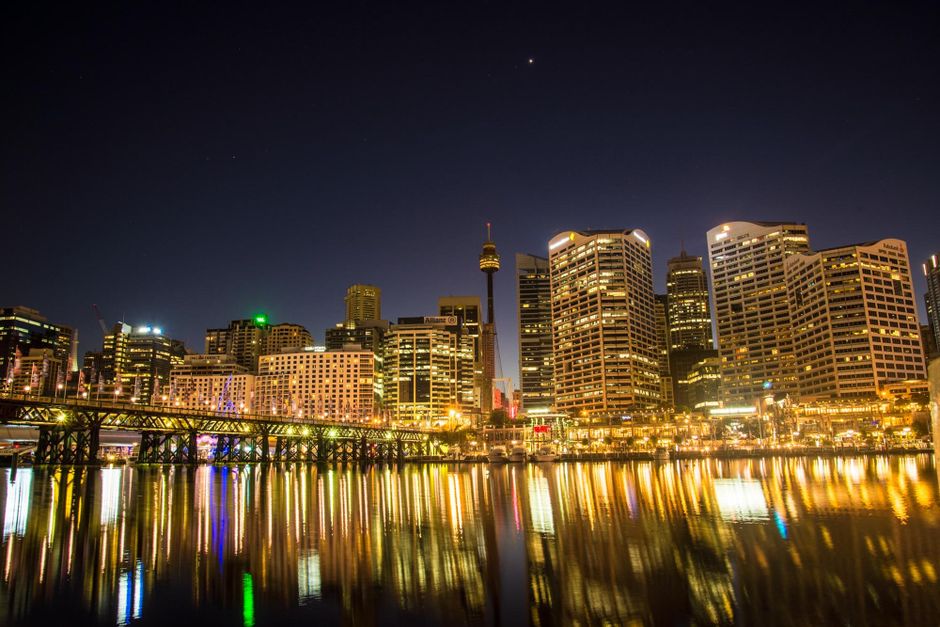
The median house price in Wollongong has more than doubled since 2016, climbing from $380,000 to over $820,000 today. But understanding how we arrived at this inflection point requires looking back through years of incremental decisions, demographic waves, and policy choices that city planners, developers, and successive councils have made—sometimes in concert, sometimes at odds.
The turning point came around 2018-2019, when several forces converged. The completion of the South Western Sydney Freeway improvements made the commute to Sydney more viable, prompting the first wave of workers seeking cheaper alternatives to western Sydney's already-inflated market. The University of Wollongong's sustained expansion also drew young professionals and students, placing fresh pressure on rental stock.
Council planning decisions in the early 2020s accelerated the transformation. The rezoning of pockets around Crown Street and the Illawarra Marketplace for medium-density residential development signalled a shift toward apartment living. Meanwhile, the introduction of faster development approval pathways for projects meeting sustainability benchmarks encouraged high-rise construction in the CBD. These were rational moves aimed at housing supply, yet they coincided with a period when international investment in Australian property markets peaked.
The Port Kembla precinct's slow-motion decline—once the economic engine of the region—paradoxically pushed investors toward the city centre itself. Where manufacturing jobs evaporated, service sector employment and creative industries clustered around Wollongong proper, making inner suburbs like Fairy Meadow and Mangerton suddenly desirable.
Data tells part of the story. Rental vacancy rates fell from 3.2 per cent in 2020 to 0.8 per cent by 2025. Average weekly rents for a two-bedroom apartment surged from $385 to $520. First-home buyers, traditionally the backbone of Wollongong's housing market, have been largely priced out.
The Northern Beaches Development Corporation's master-planned communities promised relief, but approvals dragged. By the time projects like those near Austinvilla Estate began delivering, demand had already outpaced supply by years.
Local advocacy groups now argue the city needed bolder interventions earlier: mandatory affordable-housing quotas on major developments, stricter foreign investment rules, or accelerated social housing programs. Instead, planning remained largely market-responsive rather than market-shaping.
As council grapples with fresh planning debates this year, the question isn't simply how to build more housing—it's whether the city can still house those who built it.
This article was compiled by AI from the sources linked above and screened before publishing. See our editorial standards.
Spread the word
About this article
Published by The Daily Wollongong
Daily brief
Free, in your inbox before 7am. Weekdays.
Stay in the loop