News
Wollongong's Transport Ambitions: How the City Stacks Up Against Global Peers
As major infrastructure projects reshape the Illawarra, experts assess whether Wollongong is keeping pace with comparable cities worldwide.
2 min read
News
As major infrastructure projects reshape the Illawarra, experts assess whether Wollongong is keeping pace with comparable cities worldwide.
2 min read
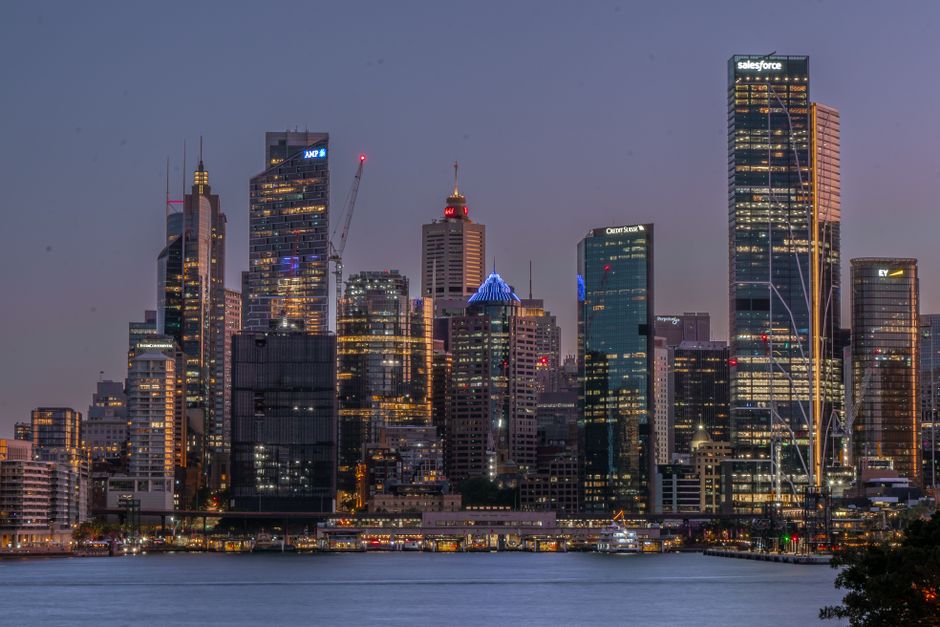
Wollongong stands at a critical juncture. With the Wollongong City Centre upgrade underway and the broader South Coast Rail duplication project advancing, the city is investing heavily in transport infrastructure—but how does this compare to similar-sized global cities managing comparable challenges?
The numbers tell a revealing story. Wollongong's population of 320,000 makes it Australia's ninth-largest city, yet transport spending per capita lags behind comparable European and North American counterparts. The planned $1.8 billion South Coast Rail duplication, while significant, stretches across 87 kilometres from Wollongong to Kiama—a project timeline that extends well beyond 2030, according to transport planners.
Compare this to Valencia in Spain, a city of similar size that completed its metropolitan rail expansion in 2006, or Montreal, which has progressively expanded its metro system over decades. "The difference isn't just investment," says urban planning analyst Dr Sarah Chen from the University of Wollongong, "it's about sustained commitment and integrated planning."
Locally, the picture is mixed. Crown Street's pedestrianisation and the revitalised Wollongong Harbour precinct demonstrate genuine progress. The new bus rapid transit corridor linking Wollongong Station to North Beach via Market Street represents modern thinking. Yet congestion on the Princes Highway and ongoing bottlenecks at Bulli Pass suggest infrastructure hasn't kept pace with residential sprawl across Thirroul, Austinvilla, and the Southern Highlands.
What distinguishes globally successful transport cities? Integrated planning. Toronto and Zurich have implemented coordinated systems where rail, bus, and active transport networks function seamlessly. Wollongong's piecemeal approach—excellent in isolation—lacks this cohesion. The gap between MainLine bus services and rail frequencies remains problematic for commuters.
Yet Wollongong possesses advantages competitors lack. Its compact geography—roughly 35 kilometres north to south—makes comprehensive rail coverage theoretically achievable. The Port of Wollongong's continued relevance means freight considerations remain central, unlike some comparable cities abandoning heavy rail entirely.
The real test arrives in the next five years. If Wollongong can coordinate the rail duplication with expanded bus networks and genuine investment in cycling infrastructure—particularly connections through Fairy Meadow and Mangerton—it could leapfrog peers stuck in perpetual catch-up mode. Cities like Stuttgart have proven that mid-sized regional hubs can punch above their weight with decisive action.
Wollongong isn't falling catastrophically behind. But it's no longer sprinting ahead either. The window for strategic choices remains open—barely.
This article was compiled by AI from the sources linked above and screened before publishing. See our editorial standards.
Spread the word
About this article
Published by The Daily Wollongong
Daily brief
Free, in your inbox before 7am. Weekdays.
Stay in the loop