Lifestyle
Getting Around Wollongong: Tips and Honest Recommendations From Locals Who Live It Daily
From bus routes to bike lanes, we've gathered real-world advice from Wollongong commuters who know every shortcut and pitfall.
2 min read
Lifestyle
From bus routes to bike lanes, we've gathered real-world advice from Wollongong commuters who know every shortcut and pitfall.
2 min read
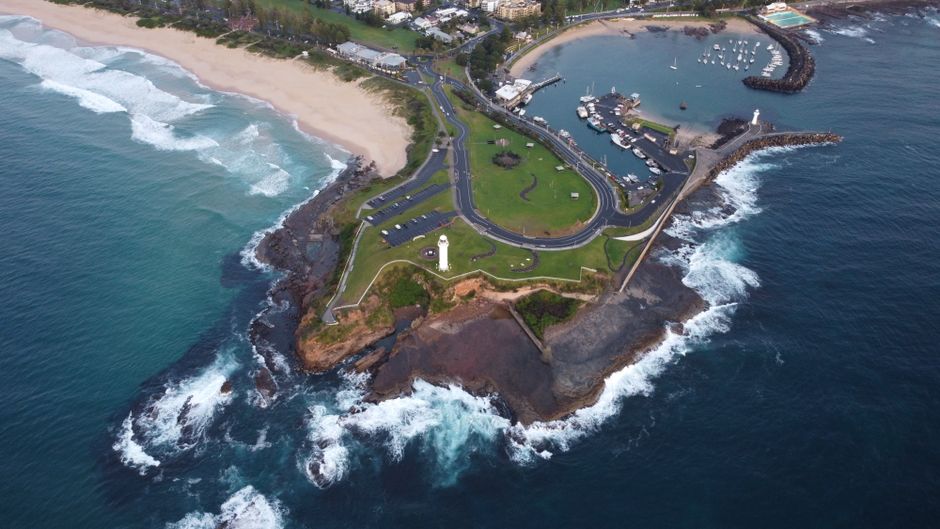
Navigating Wollongong's transport network can feel like learning a new city every time the timetables shift. But locals who tackle the daily commute have developed their own battle-tested strategies for getting around Australia's coastal heartland efficiently—and sanely.
For those relying on public transport, the consensus among regular users is clear: download the Transportnsw app and treat it like gospel. Bus routes across the Illawarra can be unpredictable during peak hours, particularly on the Crown Street corridor heading towards the CBD. Seasoned commuters recommend leaving 15 minutes earlier than you think necessary, especially during winter when roadworks on Mt Pleasant Road frequently cause delays. The train line from Wollongong to Kirawee remains the most reliable option for longer commutes, though weekend services operate on reduced schedules that catch many visitors off guard.
Cycling has become increasingly viable for inner-city movement. The Bega Street bike lane and coastal paths between North Beach and Coniston have genuinely improved in the past two years, though locals advise against cycling during school drop-off times on Blake Street and Fairy Creek Road—congestion is real, and driver awareness varies considerably. A basic lock and lights are non-negotiable; bike theft around the University of Wollongong campus remains an ongoing issue despite improved security infrastructure.
Parking presents its own maze. Street parking near Wollongong Library and Crown Street retail strips turns brutal between 10am and 3pm. Regular commuters suggest using the multi-storey car parks on Market Street or Smith Street, where daily rates hover around $8-12. Yes, it adds up, but locals say it beats circling for 20 minutes. For those working in the CBD, many have shifted to park-and-ride options at Coniston or Thirroul stations, which offers cheaper all-day parking and avoids central congestion entirely.
The emerging electric scooter network provides unexpected value for short hops—flagging one from the Harbour precinct to meet colleagues at WIN Entertainment Centre costs roughly $3-5 and saves the mental strain of finding parking. Just watch for pedestrians on Church Street, where foot traffic remains heavy.
One final reality check: Wollongong's weather matters more than most cities. Heavy rain can paralyse bus schedules within minutes, and the coastal winds occasionally make cycling genuinely unpleasant. Building flexibility into your commute—having a backup plan, keeping emergency cash for taxis, or knowing which cafés have reliable wifi for unexpected delays—separates frustrated commuters from those who genuinely adapt.
The locals who move through Wollongong smoothly aren't the ones fighting the system; they're the ones who've learned to dance with it.
This article was compiled by AI and screened before publishing. See our editorial standards.
Spread the word
About this article
Published by The Daily Wollongong
Daily brief
Free, in your inbox before 7am. Weekdays.
Stay in the loop