Lifestyle
Wollongong Parks Transform Neighborhoods Through Major Green Space Investment
Investment in green spaces along the Illawarra coast is transforming neighbourhoods and reshaping how locals spend their leisure time.
2 min read
Lifestyle
Investment in green spaces along the Illawarra coast is transforming neighbourhoods and reshaping how locals spend their leisure time.
2 min read
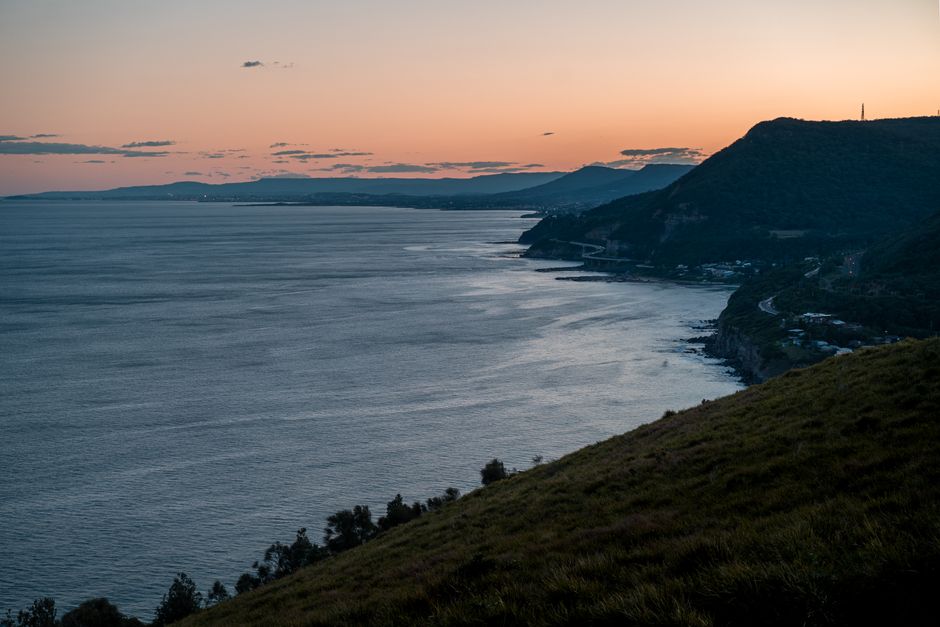
Five years ago, the stretch of parkland behind WIN Entertainment Centre was largely overlooked—a functional green belt rather than a destination. Today, it's impossible to walk through without encountering families on picnic blankets, fitness groups doing circuit training, and couples claiming benches for sunset views. Wollongong's parks are undergoing a quiet but unmistakable evolution, driven by both grassroots demand and strategic council planning.
The shift began in earnest around 2023, when Council approved the Illawarra Green Spaces Strategy, earmarking $8.2 million for park upgrades over a five-year period. Stuart Park in the CBD has been the flagship project—the recent addition of native pollinator gardens, upgraded barbecue facilities, and a dedicated dog-off-leash zone has made it a genuine hub rather than a cut-through space. Usage figures reflect the change: park visitation in the central precinct jumped 34% year-on-year according to preliminary Council data.
But the evolution extends beyond the city centre. In Figtree, the revamped Nan Tien Walk now incorporates fitness stations alongside its meditation spaces, acknowledging that modern park-goers want flexibility. Thirroul's beachside reserves have seen similar adjustments—the addition of shaded seating areas and family-friendly facilities reflects what landscape architects call the "third space" movement: environments that sit between home and work, designed for spontaneous gathering.
Local environmental groups have seized on this momentum. The Wollongong Outdoor Living Alliance, established in 2024, now coordinates monthly community activities from tai chi in Lake Illawarra regional park to conservation volunteer days. Their most recent initiative—a native plant propagation program based at the Botanic Gardens—has engaged over 200 residents and underscores a shift toward participatory green space management.
Yet this renaissance hasn't been entirely smooth. Rising property values in neighbourhoods adjacent to newly upgraded parks—notably around Bulli and Austinvilla—have sparked affordable housing concerns. Additionally, increased foot traffic has strained some facilities; parking at popular spots now regularly fills by mid-morning on weekends.
Still, conversations with regular park users suggest the transformation resonates. What was once infrastructure has become lifestyle. Whether it's young professionals working remotely from picnic tables with views of the coast, retirees discovering new walking circuits, or families reclaiming outdoor time, Wollongong's parks are no longer afterthoughts. They're becoming the neighbourhood itself—places where community is redefined, one green space at a time.
This article was compiled by AI and screened before publishing. See our editorial standards.
Spread the word
About this article
Published by The Daily Wollongong
Daily brief
Free, in your inbox before 7am. Weekdays.
Stay in the loop