Lifestyle
Wollongong Living Costs Revealed: Complete Guide Before You Move
From transport links to rent prices, we've mapped out what living in Australia's most liveable regional city actually costs your hip, urban lifestyle.
2 min read
Lifestyle
From transport links to rent prices, we've mapped out what living in Australia's most liveable regional city actually costs your hip, urban lifestyle.
2 min read
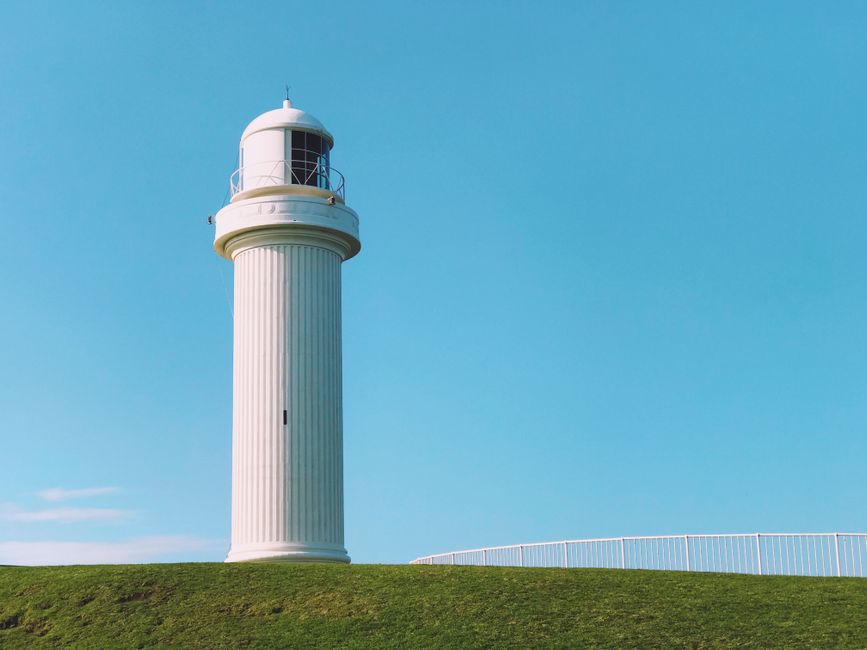
Wollongong's reputation as a vibrant lifestyle destination has brought waves of new residents, but before you pack the van, understand what you're actually paying for and how the neighbourhoods really function.
The money talk
Rental prices have shifted dramatically. A one-bedroom apartment in the CBD around Kembla Street now averages $380–420 per week, while Thirroul and Austinvilla command premiums of $450+ for comparable properties. Buy-in prices for apartments sit around $650,000–$750,000 across inner suburbs, according to recent market data. If budget is your priority, look further south to Shellharbour or north toward Dapto, where you'll save 15–20 per cent but gain 20–30 minutes commute time.
Getting around matters
The NSW TrainLink service connects Wollongong to Sydney in roughly 90 minutes, making it viable for hybrid workers. Monthly passes cost around $180–220. Within the city, local buses are serviced by Busways and Premier, though coverage thins significantly after 9pm. Cycling has exploded; the Illawarra Bike Trail network is comprehensive, but winter weather—occasional heavy rain—can disrupt plans. You'll want a car for Windy Ridge hinterland visits or weekend escapes.
Neighbourhoods decoded
Crown Street in the city centre pulses with cafés, galleries and boutiques, but residential stock is limited and pricey. Woonona and Bulli offer beachside living with stronger community feel and better value. Austinvilla attracts young families seeking parkland and schools; the IGA and local primary schools cluster around James Street. Thirroul, famous for its beachfront promenade and weekend markets, suits lifestyle-focused renters willing to pay for proximity to sand and brunch spots.
What you actually need to know
Utilities run $200–280 monthly for a two-bedroom apartment. Childcare (essential context for families) averages $120–150 daily at licensed centres around the Northfields area. The Wollongong Library and community centres offer free programs, which matters if you're budget-conscious. Summer (December–February) brings occasional power disruptions during heat waves; winter storms occasionally impact roads toward Bulli Pass.
Healthcare access is solid: the Wollongong Hospital serves as the major facility, though specialists require Sydney trips. The city hosts regular markets—Wollongong City Council's event calendar is worth checking—and cultural venues like WIN Entertainment Centre anchor the social calendar.
The practical bottom line
Budget $2,200–2,800 monthly for a couple in an inner suburb (rent, utilities, food, transport). The lifestyle payoff—beaches, proximity to nature, lower stress than Sydney—justifies it for many. But it's not cheap, and planning matters more than the brochures suggest.
This article was compiled by AI and screened before publishing. See our editorial standards.
Spread the word
About this article
Published by The Daily Wollongong
Daily brief
Free, in your inbox before 7am. Weekdays.
Stay in the loop