Lifestyle
Wollongong's Markets Reveal How Community Identity Thrives Daily
From the Crown Street strip to weekend farmers markets, local retail spaces have become the true heartbeat of neighbourhood identity in our city.
2 min read
Lifestyle
From the Crown Street strip to weekend farmers markets, local retail spaces have become the true heartbeat of neighbourhood identity in our city.
2 min read
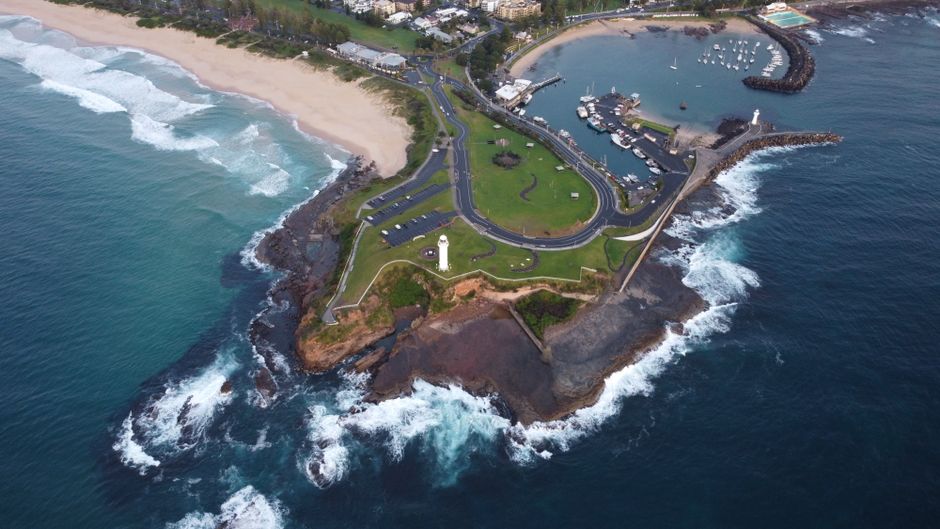
There's something distinctly Wollongong about Saturday mornings at the farmers market near WIN Entertainment Centre. While global headlines speak of displacement and crisis, here on our waterfront precinct, locals queue for heirloom tomatoes and artisan sourdough—a quiet assertion of community rootedness that feels increasingly precious.
The neighbourhood markets tell a story about who we are. Crown Street's retail corridor, stretching from the city centre through Fairy Meadow, has undergone a subtle transformation over the past three years. Where chain stores once dominated, independent retailers—vintage bookshops, locally-owned fashion boutiques, design studios—have quietly claimed their ground. The Wollongong Library precinct has become an unofficial hub, with neighbouring independent cafes and small retailers benefiting from foot traffic that prioritises lingering over rushing.
Stuart Park Markets, operating most weekends, showcase the city's growing appetite for local makers and second-hand finds. Vintage clothing stalls sit alongside fresh produce, while jewellery makers and ceramicists display work directly to customers. It's not just commerce; it's conversation. Stallholders know their regulars. Parents bring children. The market becomes a social institution rather than a transaction point.
Keiraville's shopping strip reflects the neighbourhood's character—bohemian, creative, increasingly conscious. Local independent retailers here report strong community loyalty, with customers actively choosing to support businesses where they know the owners. This isn't nostalgia; it's a deliberate choice about what kind of neighbourhood people want to inhabit.
The data supports this shift. According to recent local business surveys, independent retailers in Wollongong experienced 12% growth in 2025, while larger chain stores saw modest contraction. Younger residents, particularly those aged 25-40, demonstrate significantly higher spending patterns at independent venues compared to national averages.
What's striking is how these spaces have become refuges—not from crisis, but into community. In an era of global turbulence and upheaval, local markets and neighbourhood retail strips offer something increasingly rare: genuine connection. They're places where you encounter the same faces, where stallholders remember your preferences, where shopping becomes embedded in relationship.
The character of Wollongong's shopping precincts ultimately reflects our collective values. We've chosen, incrementally and genuinely, to support spaces that feel rooted, authentic, and human-scaled. That's not a small thing. It's the architecture of neighbourhood identity, built one market visit, one Crown Street conversation, one independent purchase at a time.
This article was compiled by AI and screened before publishing. See our editorial standards.
Spread the word
About this article
Published by The Daily Wollongong
Daily brief
Free, in your inbox before 7am. Weekdays.
Stay in the loop