Lifestyle
Wollongong Commuters Reveal City's Soul Through Daily Routes
From the Kerry Road bustle to quiet Crown Street shortcuts, the way locals navigate the city tells the real story of who we are.
2 min read
Lifestyle
From the Kerry Road bustle to quiet Crown Street shortcuts, the way locals navigate the city tells the real story of who we are.
2 min read
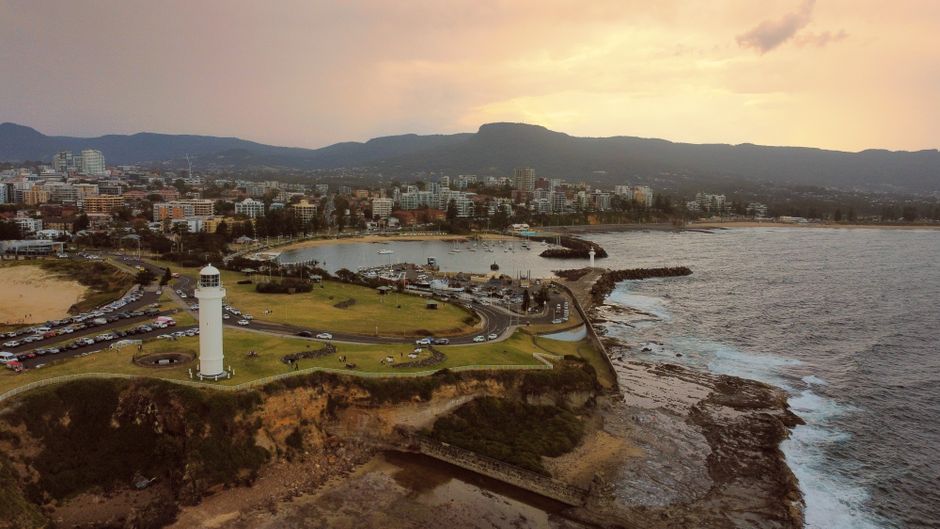
There's a particular rhythm to commuting in Wollongong that outsiders rarely catch. It's not just about getting from A to B—it's about the conversations that happen at bus stops, the familiar faces you pass daily, and how each neighbourhood reveals itself through the movement of its people.
Take the morning commute down Kerry Road toward the CBD. This arterial route pulses with the character of inner-city ambition. The steady stream of cyclists, alongside cars and buses, speaks to a workforce that's increasingly conscious of how it moves. Local businesses along the corridor—from the independent cafés near Crown Street to the growing number of co-working spaces—have calibrated their opening hours around commuter patterns, creating informal hubs where regulars grab their flat white before catching the 7:47 to the station.
The real neighbourhood DNA emerges when you venture into the smaller streets. Figtree and Keiraville residents have cultivated a quiet pedestrian culture, with tree-lined pathways connecting residential pockets to local shopping precincts. It's in these spaces that you'll witness the genuine community pulse: school runs mixing with retirees walking to the shops, neighbours stopping mid-stride for genuine conversations. These aren't commuters rushing; they're inhabitants moving through their world.
The coastal suburbs tell a different story entirely. In Thirroul and Austinvilla, commuting is almost secondary to lifestyle. The beach-bound routes during weekends transform into social corridors, where the journey itself becomes the destination. Local transport patterns here reflect a community more invested in accessing the coast than conquering distance.
Public transport shapes neighbourhood identity in undeniable ways. The rail line connecting Wollongong to Sydney has long defined who chooses to live here—typically workers willing to trade proximity for space and community. The stations themselves function as social anchors; Wollongong Station is less a transport hub than a daily gathering point where the city's diversity converges.
Perhaps most tellingly, the rise of active transport has shifted how Wollongong residents perceive their own geography. Cycle paths aren't just infrastructure; they're statements about neighbourhood values. The Illawarra Cycle Challenge each year demonstrates that locals increasingly view their routes—whether coastal loops or hillside climbs—as expressions of identity.
This is what sustainable cities look like in practice: when commuting routes become community pathways, when getting around becomes a window into who we are and how we choose to live.
This article was compiled by AI and screened before publishing. See our editorial standards.
Spread the word
About this article
Published by The Daily Wollongong
Daily brief
Free, in your inbox before 7am. Weekdays.
Stay in the loop