Lifestyle
Where Families Thrive: Inside the Neighbourhoods Shaping Wollongong's Next Generation
From beachside villages to tree-lined suburbs, we explore the distinctive communities where local parents are raising children in 2026.
2 min read
Lifestyle
From beachside villages to tree-lined suburbs, we explore the distinctive communities where local parents are raising children in 2026.
2 min read
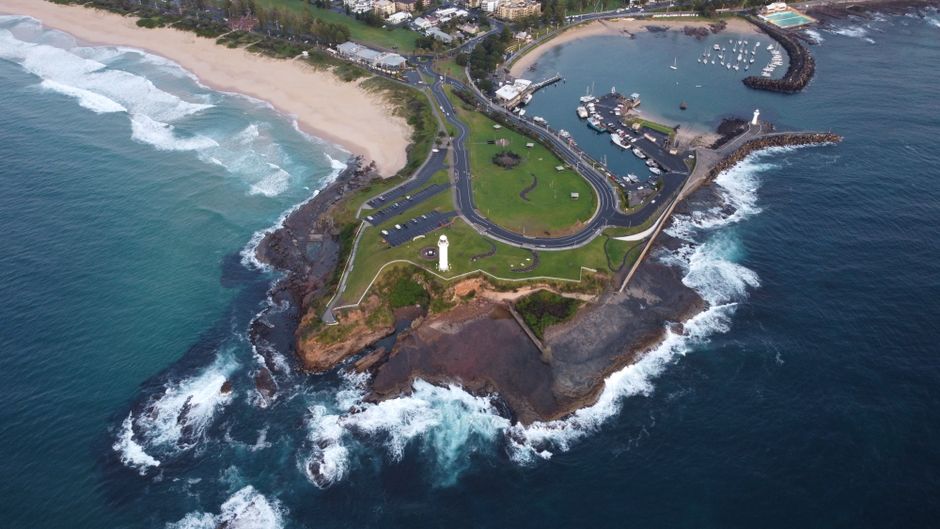
Walk down Keira Street on a Saturday morning and you'll witness the rhythm of Wollongong's family life in real time. Parents navigate the footpaths with prams, school-aged children clutch takeaway coffee cups from local cafes, and the energy pulses with the kind of suburban ease that defines contemporary parenting in our city.
The character of Wollongong's neighbourhoods—each with its own distinct flavour—tells the story of how families here are raising the next generation. In Fairy Meadow and Gwynneville, tree-lined streets and proximity to both Wollongong High School and numerous primary schools create tight-knit communities where neighbours know each other's children. The median family home price in these suburbs hovers around $850,000 to $950,000, reflecting demand from young families seeking stability and established infrastructure.
Meanwhile, the beachside villages of Bulli and Thirroul offer something different entirely. Here, the lifestyle centres on ocean proximity and outdoor culture. Local schools integrate coastal education into their curricula, while the Thirroul Community Hall regularly hosts parent networks and school fundraisers that blur neighbourhood lines. The weekend farmers' market near Thirroul's beach draws families building community connections as much as sourcing organic produce.
In Wollongong's inner suburbs like North Wollongong and Coniston, younger families are revitalising older neighbourhoods, creating a hybrid of urban convenience and suburban warmth. Local primary schools have seen enrolment increases, with parents attracted to walkability and diverse local amenities. The newly renovated Crown Street precinct has become an unofficial gathering point for school-run parents, with family-friendly venues providing informal meeting spaces.
What emerges across these neighbourhoods is a distinct parenting culture shaped by proximity to nature, genuine community engagement, and what long-term residents describe as an unpretentious vibe. Unlike larger cities where school choice creates geographic fragmentation, Wollongong's geography encourages neighbourhood-based friendships that often extend into family social networks.
The school communities themselves—from Wollongong Public School to independent options like Figtree High—remain central anchors to neighbourhood identity. Parent involvement in school fundraisers, fetes, and P&C associations remains noticeably high, with these events functioning as genuine community gatherings rather than obligatory engagements.
For families considering Wollongong, the appeal isn't just economic or educational. It's the neighbourhood character itself—the sense that raising children here means becoming part of something tangible and genuine.
This article was compiled by AI and screened before publishing. See our editorial standards.
Spread the word
About this article
Published by The Daily Wollongong
Daily brief
Free, in your inbox before 7am. Weekdays.
Stay in the loop