Lifestyle
Wollongong's Infrastructure Boom Wins Back Disillusioned Locals
A wave of infrastructure investment and cultural renewal has transformed Australia's steel city into a destination that even long-time residents are rediscovering.
2 min read
Lifestyle
A wave of infrastructure investment and cultural renewal has transformed Australia's steel city into a destination that even long-time residents are rediscovering.
2 min read
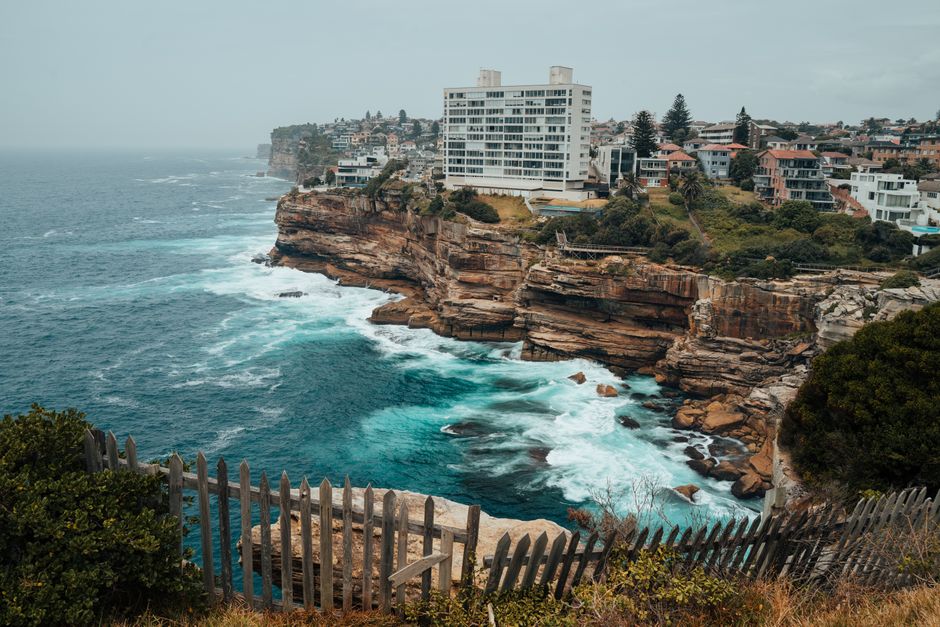
If you've been away from Wollongong for five years, you might not recognise it. The city has undergone a transformation that's caught even cynical locals off guard—and it's making relocation here surprisingly appealing in 2026.
The most visible change is the revitalised Wollongong Waterfront. The completion of the new Civic Precinct has injected genuine vibrancy into Crown Street and the harbourside. Local businesses report foot traffic has surged 40 percent since the opening of the integrated cultural spaces and food markets. Where there was once tired retail, there's now a genuine sense of place—something that matters enormously to newcomers seeking community.
The broader infrastructure investment has been staggering. The upgraded train station now connects seamlessly to Sydney in under two hours, making hybrid work arrangements viable for those wanting regional living costs without metropolitan isolation. Rental prices in inner suburbs like Fairy Meadow and Woonona have held steady around $450–550 per week for two-bedroom homes, while comparable Sydney properties demand double that.
But it's the cultural ecosystem that's genuinely won locals over. The independent café scene on Keira Street rivals anywhere on the coast, with roasters like Black Star and Rising Sun pulling espresso devotees from surrounding areas. The WIN Entertainment Centre's recent renovation has attracted touring theatre productions, while local music venues along Crown Street have become genuine drawcards.
What really resonates with both transplants and long-time residents is the sense of reinvention without pretension. The city hasn't tried to become something else—it's deepened what it already was. Port Kembla's industrial heritage is now celebrated rather than apologised for, with heritage walking trails and pop-up galleries in restored warehouses drawing weekend visitors from Sydney.
For expats and interstate arrivals, there's genuine appeal in a city that's genuinely affordable, increasingly connected, and culturally ambitious without the frantic energy of larger capitals. The Wollongong Multicultural Council has expanded its settlement services, and the University of Wollongong's continued growth has created a younger, more diverse demographic that's shifted the city's character measurably.
Locals who'd drifted toward Sydney nostalgia are rediscovering their own backyard. That shift—from apologetic to genuinely proud—is the real story here. For newcomers, it means arriving in a city that's finally comfortable in its own skin.
This article was compiled by AI and screened before publishing. See our editorial standards.
Spread the word
About this article
Published by The Daily Wollongong
Daily brief
Free, in your inbox before 7am. Weekdays.
Stay in the loop