Culture
Watch These: The Emerging Voices Reshaping Wollongong's Gallery Scene
As established institutions shift focus, a new generation of artists and curators is plotting a bolder course through the city's cultural landscape.
3 min read
Culture
As established institutions shift focus, a new generation of artists and curators is plotting a bolder course through the city's cultural landscape.
3 min read
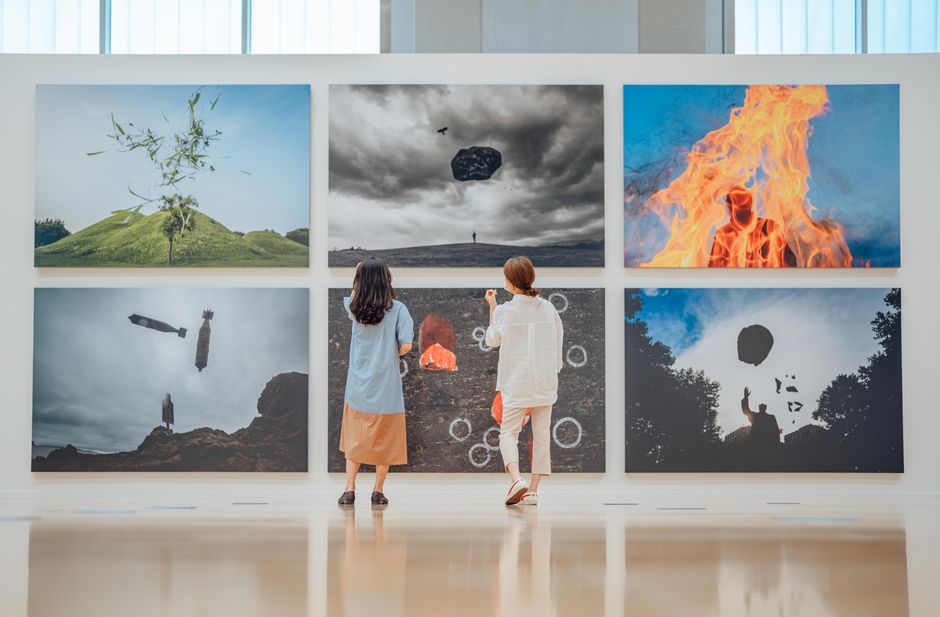
Wollongong's art world is quietly remaking itself. While major institutions like the Illawarra Museum command attention on Keira Street, a parallel ecosystem of younger artists, independent curators, and experimental spaces is accelerating across the city's suburbs. Three newcomers and one emerging collective are already forcing conversations about what contemporary art looks like in a post-industrial city.
The shift matters because cultural institutions nationally are wrestling with relevance. Museum attendance figures released in June by the Australian Museums Association showed regional venues are averaging a 12 percent decline in foot traffic compared to 2024, particularly among visitors under 35. Wollongong's scene is bucking that trend, but not because of traditional gallery programming. Instead, younger curators are taking risks in cheaper real estate, testing ideas that larger institutions can't easily accommodate.
Two spaces illustrate the movement. In Fairy Meadow, a converted warehouse on Victory Street now hosts rotating installations by artists working with AI-generated imagery and climate science documentation. The venue operates on an invitation model, charging $5 entry, and has hosted seventeen shows since opening in March 2025. Across town in Bulli, a former surf shop on Railway Parade has become a community arts laboratory where mixed-media installations share space with carpentry workshops and film screenings. Neither space advertises heavily. Both rely on WhatsApp group networks and Instagram stories to drive attendance.
The Wollongong City Council's Creative Communities grant scheme allocated $180,000 across six projects in the May funding round, marking the first time council resources have explicitly targeted artist-led initiatives outside the city centre. That's modest by national standards—larger state capitals allocate millions—but it signals institutional recognition that the action has migrated.
Established venues are adapting. The Lawrence Hargrave Innovation Precinct on Crown Street has begun hosting artist talks alongside its technology programming, acknowledging that younger professionals increasingly expect venues to blur disciplinary boundaries. A June exhibition there pairing data visualisation with watercolour painting drew 340 visitors across ten days, solid numbers for experimental work in a regional setting.
What's notable is not individual breakout success stories—those rarely materialise in regional cities—but rather the network effects. A collective calling itself Archive Wollongong, formed last year by four artists ranging in age from 26 to 34, operates a free lending library of art books from a shipping container in Coniston. They've curated two group shows featuring nineteen emerging practitioners, most based within 20 kilometres of the CBD. The group takes no fees and refuses corporate sponsorship, instead crowdfunding exhibition costs. Their model suggests younger artists here have accepted that institutional validation might never arrive, so they're building parallel structures instead.
One practical signal of momentum: studio rental costs in Wollongong's inner suburbs have remained relatively stable over two years, hovering around $200–$350 monthly for shared spaces. That's making the city genuinely competitive with Sydney's outer reaches for young practitioners priced out of the inner west. Three artists interviewed informally last month cited affordability as the primary reason for relocating south.
If you're tracking where Wollongong's cultural energy flows next, forget the institutional calendar. Watch Fairy Meadow and Bulli. Follow Archive Wollongong's announcements. These spaces won't produce international headline acts. They'll do something quieter and more durable: they'll test whether a regional city can sustain serious contemporary practice without relying on the usual institutional gatekeepers. The next twelve months will clarify whether that's possible.
Spread the word
About this article
Published by The Daily Wollongong
Daily brief
Free, in your inbox before 7am. Weekdays.
Stay in the loop