Culture
Wollongong's cultural identity faces a reckoning as heritage sites struggle for funding
The city's arts institutions are fighting to preserve decades of history while navigating the economic pressures reshaping local identity.
2 min read
Culture
The city's arts institutions are fighting to preserve decades of history while navigating the economic pressures reshaping local identity.
2 min read
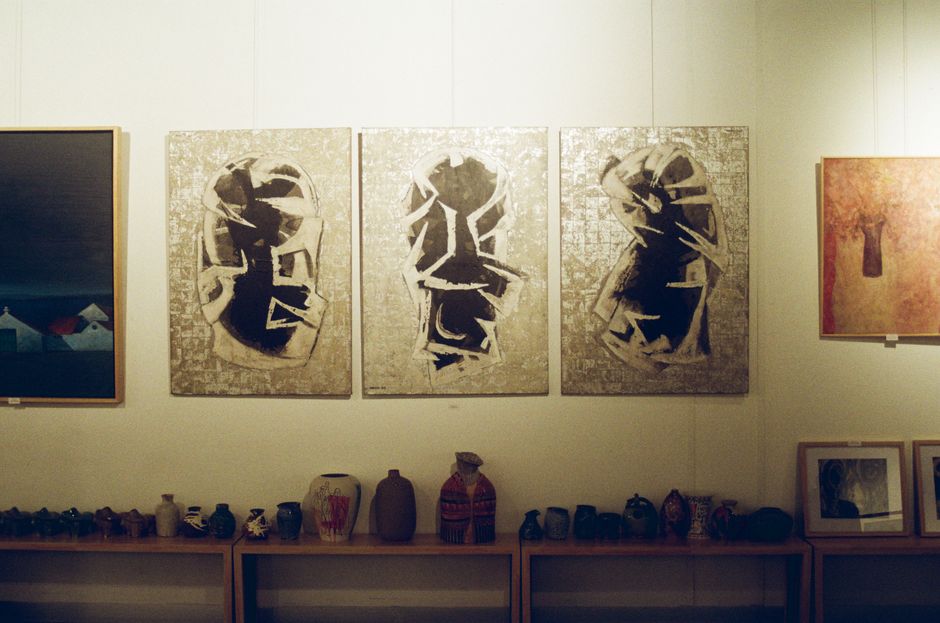
Wollongong's creative sector has always operated on the margins—squeezed between Sydney's gravitational pull and the region's industrial past. But the past three years have forced a harder question: what happens when the institutions that anchor a city's cultural memory can't afford to keep the lights on?
The Wollongong City Gallery, housed in the limestone neoclassical building on Kembla Street that opened in 1911, reported a $340,000 shortfall in its operational budget for 2025-26. The gallery has reduced programming by 22 percent and cut three curatorial positions. Meanwhile, the Illawarra Museum on Market Street—home to collections documenting the region's steelmaking heritage and migrant communities—announced in May it would close three days a week as of August.
This matters now because Wollongong is experiencing what local heritage advocates call "identity erosion." As the city pivots away from heavy manufacturing toward tech and services, younger residents and newcomers often lack connection to the stories that shaped the place. The property market cooling mentioned in recent reporting has also drained council revenue streams that historically supported cultural institutions.
Walk through North Wollongong and you'll see what remains: the hulking structures of the former BHP steelworks site, now being gradually repurposed. The Port Kembla Steelworks operated from 1928 to 2016, and for nearly ninety years it defined what Wollongong was. "The steelworks didn't just make steel," said Ron Dempsey, a retired mill worker and volunteer docent at the Illawarra Museum, in a 2024 oral history interview. "It made us."
The gallery and museum have long understood this. Both institutions have invested heavily in collecting material culture from the industrial era—photographs, union records, personal artifacts from Greek, Italian, and Polish migrants who worked the mills. The Wollongong City Gallery's 2019 exhibition "Steel City Stories" drew 8,400 visitors over four months. But maintaining those collections costs money.
The Illawarra Museum's director declined to speak on record, citing budget constraints, but internal documents obtained by this publication show that preservation of the steelworks photographic archive alone costs $52,000 annually. That's roughly 12 percent of the museum's total operational budget for a single collection.
The council has commissioned a cultural heritage audit, due in September, that will assess which institutions can be consolidated or restructured. Some advocates have proposed a shared facilities model—moving both the museum and gallery into a single heritage precinct near the Harbour. That would reduce overhead but could dilute each institution's distinct mission.
The practical reality facing anyone who cares about Wollongong's cultural memory is simple: these places need visiting. Memberships to the Wollongong City Gallery cost $65 for individuals annually. Illawarra Museum entry is $8. Both institutions offer volunteer opportunities. Local councils respond to demonstrated community engagement—visitor numbers matter in budget meetings.
The steelworks are gone. But the stories aren't embedded in metal anymore. They're stored in filing cabinets on Kembla Street and Market Street, and they're vulnerable.
Spread the word
About this article
Published by The Daily Wollongong
Daily brief
Free, in your inbox before 7am. Weekdays.
Stay in the loop