Culture
How Wollongong's gallery crew built an arts scene from scratch
Behind the city's thriving visual arts culture stands a tight network of curators, artists and venue operators who bet on the Illawarra when nobody else was looking.
3 min read
Culture
Behind the city's thriving visual arts culture stands a tight network of curators, artists and venue operators who bet on the Illawarra when nobody else was looking.
3 min read
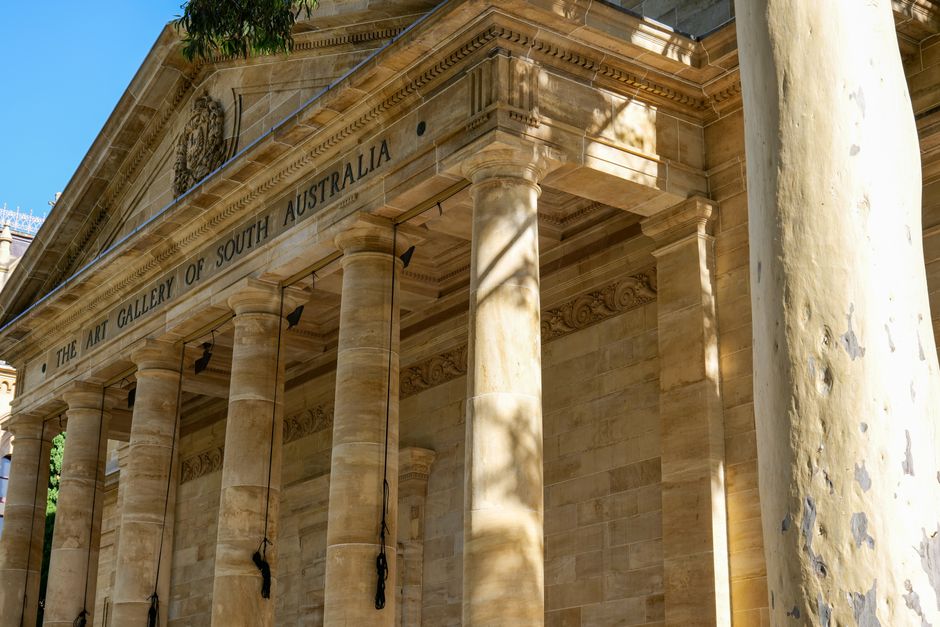
Wollongong's gallery scene didn't happen by accident. It was built by people who believed the city could be more than a steel town and made that vision stick.
Walk through the CBD today and you'll find galleries tucked into heritage buildings on Crown Street, converted warehouses in the cultural precinct near the waterfront, and artist-run spaces that operate on shoestring budgets and sheer stubbornness. The transformation reflects a deliberate strategy that took root over the past decade—one driven by a handful of curators and directors who saw potential where others saw decline.
The shift matters now because Wollongong is competing harder than ever for attention and investment. With Sydney's art market saturated and rents pushing creators south, regional galleries are becoming real destinations. The question isn't whether Wollongong can attract visitors. It's whether local operators can sustain what they've built without losing the character that made the scene worth visiting in the first place.
The Illawarra Museum on Market Street anchors the official side of things. The institution repositioned itself a decade ago, moving beyond local history into contemporary visual arts. That pivot was crucial. It gave emerging practitioners a serious venue and signalled to the broader arts community that the city was serious about exhibitions beyond safe, crowd-pleasing work.
Parallel to that, artist collectives moved into cheaper real estate. The Wollongong Gallery space on Corrimal Street became a laboratory for experimental work—sculpture, installation, video art—that wouldn't necessarily sell tickets but built reputation and attracted younger practitioners. That's where you see the real story. Not in polished press releases but in the decision to keep a space open on next to nothing, trusting that cultural infrastructure matters.
By 2024, Wollongong had registered more than 15 active gallery spaces operating across the city, according to data compiled by the Illawarra Regional Development Corporation. That's not Sydney numbers, but it's substantial for a regional centre. The growth happened because venue operators networked, shared resources, and created systems to promote each other's exhibitions rather than compete for the same limited audience.
What sustains these spaces isn't government funding—though grants from Arts NSW and the Wollongong City Council help. It's the people who show up consistently. Curators who take day jobs and spend evenings preparing exhibitions. Artists who exhibit locally even when they could chase Sydney sales. Volunteers who staff openings. That's the infrastructure that actually holds.
Several of the major venues operate on annual budgets under $150,000. The Illawarra Museum draws about 8,000 visitors annually for its exhibitions. That's not a massive number, but it's grown year-on-year. More importantly, those visitors tend to stay engaged. They attend multiple shows, bring friends, and develop relationships with curators and artists. That's the opposite of trophy tourism. It's a functioning community.
The challenge ahead is survival. Property values on Crown Street are climbing. Landlords are asking higher rents. Some smaller galleries have already relocated to cheaper precincts or cut hours. Sydney-based collectors still dominate the market for serious acquisition, meaning local artists often export their work rather than build careers at home. Those aren't new problems, but they're acute right now.
If you're interested in seeing what's actually happening, the Illawarra Museum has a rotating schedule through October. Most commercial galleries publish their shows online. The artist-run spaces tend to announce via social media. Show up on opening nights. That's when you meet the people who made this possible—the ones who bet on Wollongong and are still waiting to be proved right.
Spread the word
About this article
Published by The Daily Wollongong
Daily brief
Free, in your inbox before 7am. Weekdays.
Stay in the loop